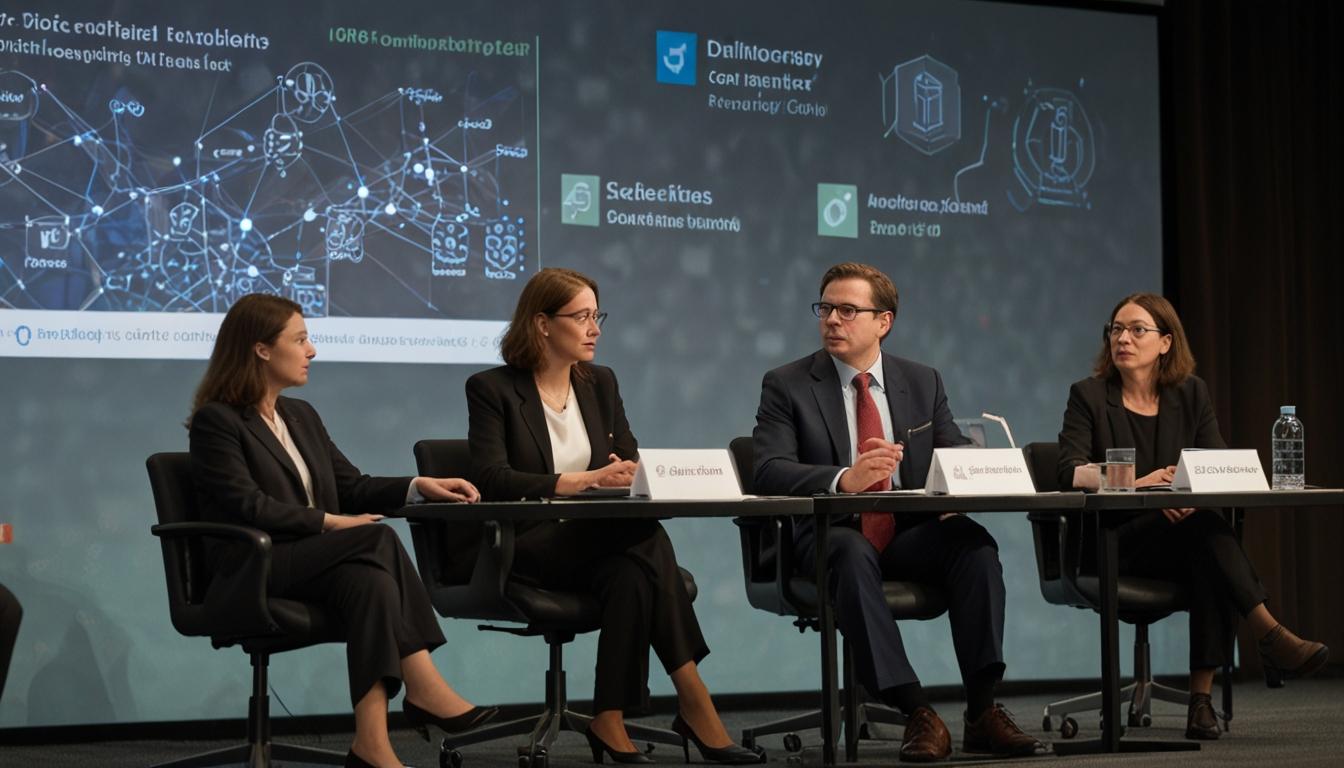
In a concerted effort to address significant developments in artificial intelligence (AI) governance, legal experts Allison Spagnolo, Asha Muldro, and Matt Corwin are set to explore the ever-evolving landscape of AI technology regulations. As businesses increasingly embed AI into their operations, the importance of understanding and adapting to new legal frameworks becomes paramount for law firms and in-house legal counsel.
The panel discussion will delve into the latest strides in regulatory frameworks that are pivotal to navigating AI integration in business environments. Among the critical regulatory developments to be discussed are the White House Executive Order on AI, the White House Blueprint for an AI Bill of Rights, the Federal Communications Commission (FCC) rulings, the European Union's AI Act, and California's SB 1047. Each of these frameworks contributes to shaping the future of AI policies and practices, emphasising compliance and governance.
These developments highlight the growing focus on AI governance and the need for compliance. Organisations are increasingly required to align their AI strategies with legal mandates to avoid compliance risks. The panel aims to shed light on the significance of these frameworks, presenting insights on how businesses can navigate and implement effective governance strategies to meet ever-evolving regulatory standards.
Furthermore, privacy concerns remain a critical focal point as AI technologies become more embedded in everyday business processes. The dialogue will address the privacy implications that accompany AI applications, discussing how companies might balance innovation with data protection and privacy rights.
The panel will also examine the legal and compliance risks in the AI domain. As these technologies proliferate, understanding the potential legal ramifications becomes crucial for legal advisors and business entities alike. Knowing the territories governed by emerging laws and the potential pitfalls they aim to mitigate will be pivotal for attorneys guiding their clients.
As members of the Department of Commerce’s National Institute of Standards and Technology (NIST) and the U.S. AI Safety Institute Consortium (AISIC), the Guidepost team plays a critical role in drafting and enacting ethical guidelines for AI. By actively participating in these consortia, they endeavour to foster strategies that seek to amplify the benefits of AI while carefully managing its risks.
The discussion promises to provide significant insights into developing robust AI governance strategies that align with new regulatory frameworks, aiding businesses to remain compliant while harnessing AI's potential. This engagement highlights the sector's commitment to ensuring that the legal fabric keeps pace with technological advancements, reflecting the critical balance between innovation and regulation.
Source: Noah Wire Services