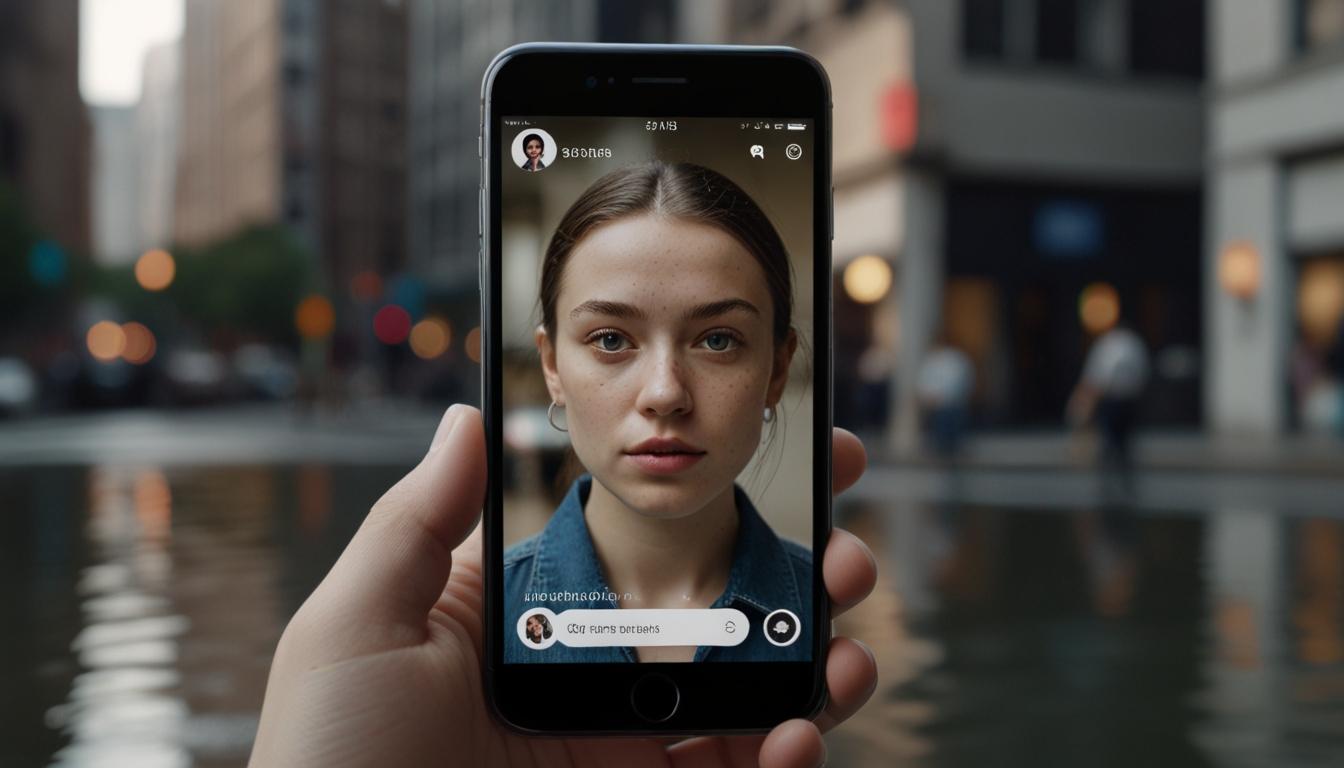
In today's digital age, the proliferation of artificial intelligence (AI) is reshaping the way information is presented and consumed on social media platforms such as Facebook, Instagram, and X. As users navigate these platforms, they often encounter images that appear almost too exquisite to be genuine, a testament to the sophisticated capabilities of AI in generating visually stunning content. This phenomenon presents a growing challenge in distinguishing authentic images from those artificially created or enhanced, leading to potential misinformation.
In the city of Helena, experts are sounding the alarm on the implications of these developments. Jason Neiffer, the executive director of the Montana Digital Academy, is actively engaging with AI integration in educational contexts across the state. While AI holds vast potential as an educational tool, Neiffer warns that it can also be misused for deceptive purposes on social media. "The game on social media is to get your engagement and to get your click. It wants your like, share, or comment which is why a lot of the images on Facebook tend to be more of the dramatic and more of the fantastic," Neiffer explained.
This manipulation of visual content, referred to by Neiffer as "glance media," takes advantage of our rapidly scrolling habits online. On mobile devices, studies have shown individuals spend an average of merely 1.7 seconds per content piece, which often doesn't allow for in-depth analysis of its authenticity.
This fleeting engagement was evident in a study Neiffer initiated, utilising Montana Television Network (MTN) journalists to gauge their ability to discern between real and AI-generated images within the 1.7-second time frame. The results underscored the difficulty inherent in such brief assessments, with the group achieving an average score of just 71.9%. The study revealed varying levels of confidence among participants, with only 26.9% of responses being "very confidently" labelled as either real or AI.
Curtis Grevenitz, MTN Chief Meteorologist, expressed concerns about AI's impact on the perception of reality, especially in the field of meteorology. "AI has a bunch of amazing capabilities, but the fact that it can detract from what is real and what is really happening out there, that's dishonest to me," Grevenitz commented. He emphasized the sufficiency of nature's authentic beauty, suggesting that AI-generated images are unnecessary when genuine weather phenomena provide abundant visual splendour.
This issue raises broader concerns about media literacy in the digital era, particularly the skills needed to critically assess and validate the credibility of media content. As AI continues to evolve, the necessity for robust detection measures becomes increasingly vital to mitigate the risk of misinformation and to bolster public trust in digital content.
At present, the mechanisms in place on social media platforms to detect AI-generated images remain limited, posing a challenge for users to identify and assess the legitimacy of what they see online. As AI technology advances, ongoing education and awareness are essential for equipping individuals with the tools necessary to navigate this dynamic landscape adeptly.
Source: Noah Wire Services