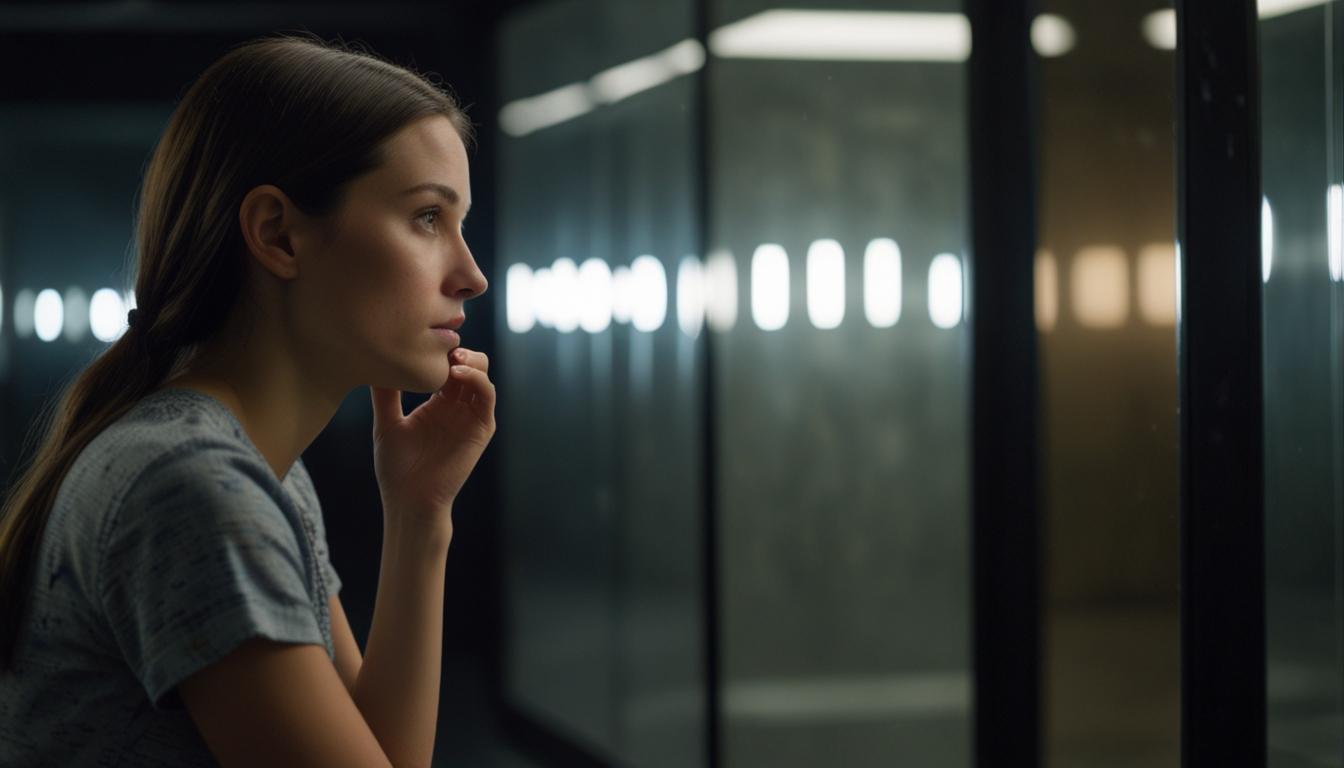
In a rapidly evolving entertainment industry, the rise of artificial intelligence (AI) has become a source of apprehension for many, including rising star Rachel Zegler. Known for her roles in "West Side Story" and the upcoming live-action "Snow White" remake, the actress has expressed significant concern over AI’s potential to replace live actors.
In a candid conversation with Variety, Zegler opened up about her fears surrounding AI technology. Her worry stems from the possibility of AI creating a digital replica of herself capable of rendering her obsolete in future productions. "I was really scared of being replaced by an artificial intelligence version of myself that they scanned when I was 18 and then never being able to work on a set again," she revealed. Her concerns reflect a larger debate about the future of actors' roles amid advancing AI capabilities.
The backdrop to these worries was the SAG-AFTRA strike in 2023, during which Zegler advocated for protective measures against AI usage in the film industry. Her experiences with CGI stunts have already given her a glimpse into a more technology-driven future, having undergone an intensive process that involved 465 photos capturing every angle of her physique. She described this experience as feeling "fucking dystopian."
Zegler's unease is shared by others in the industry. Rashida Jones, known for her work on "Sunny," expressed to IndieWire her cautious stance towards AI. She acknowledged her fears about being replaced, highlighting a broader uncertainty about whether AI will remain a supplementary tool or evolve to replace human talent. Meanwhile, veteran actor Tom Hanks, during an appearance on "The Adam Buxton Podcast," pondered the potential of AI to extend an actor's career indefinitely. He envisioned a scenario where his likeness could perpetuate his presence in cinema long after his physical departure, through the power of deep fake technology or AI.
Hanks also raised critical questions about audience perception. He speculated that while audiences might recognize the use of AI, the real test would be whether they deemed the distinction important enough to affect their viewing preferences. This sentiment underscores a growing concern within the industry regarding the intersection of technology and authenticity.
As AI technology continues to develop, the implications for the entertainment sector remain uncertain. The discourse sparked by figures like Zegler, Jones, and Hanks highlights a critical crossroads for Hollywood, where innovation and tradition are poised to either clash or coexist. The opinions of these actors illustrate a complex narrative of adaptability, fear, and the quest for preservation in a time of technological change.
Source: Noah Wire Services