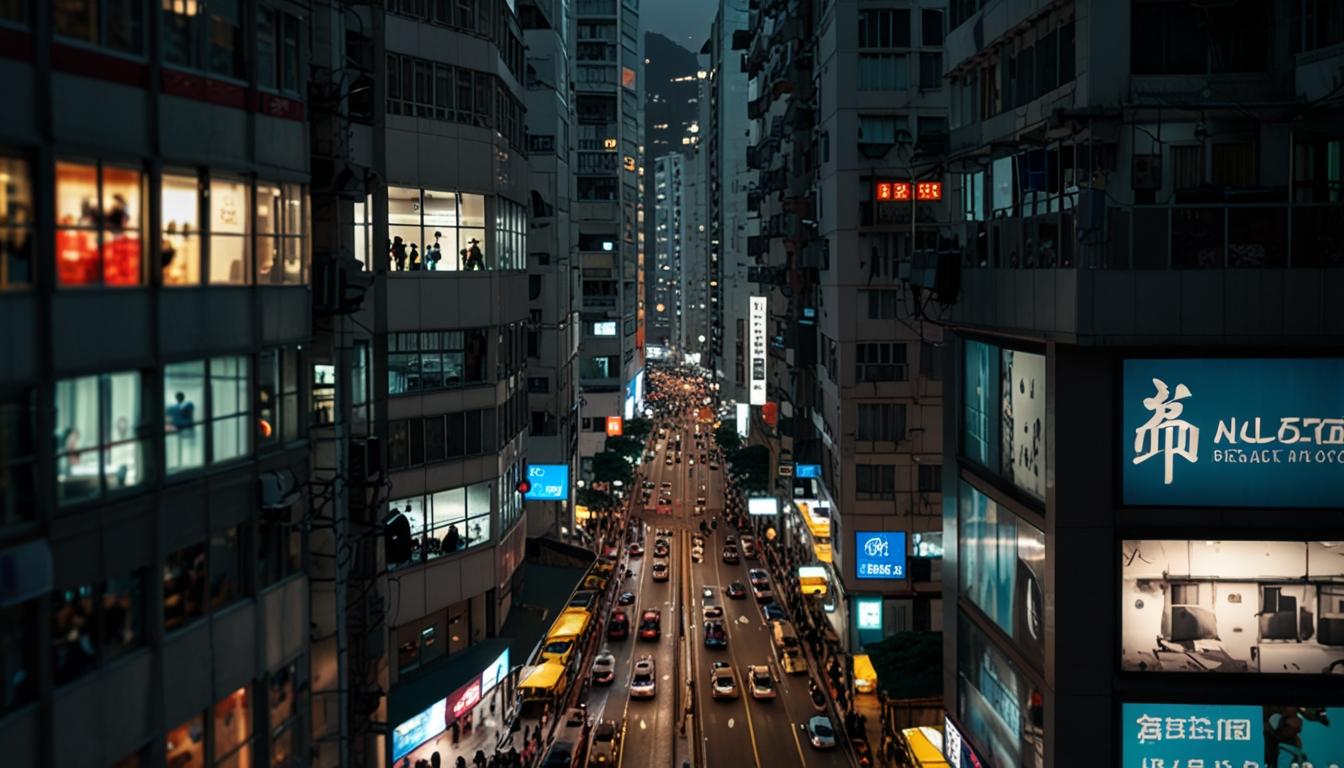
Hong Kong is witnessing an expanding surveillance network as its police force rolls out an extensive plan to install thousands of new cameras across the city. This initiative, which aims to bolster the city's surveillance capacity, has sparked concerns among experts who fear it might edge Hong Kong closer to the extensive monitoring systems observed in mainland China.
Currently ranked among the world's safest cities, Hong Kong's police argue that the increased number of surveillance cameras is necessary to combat crime effectively. The ambitious plan outlined by the authorities includes the installation of 2,000 new cameras this year, with intentions to augment this number annually. Security chief Chris Tang has indicated that these cameras may eventually be equipped with facial recognition technology and artificial intelligence (AI) capabilities, potentially enabling the police to track suspects more effectively.
This surveillance expansion follows the unrest seen in the unprecedented 2019 anti-government protests, which prompted the introduction of strict national security laws by local and central authorities aimed at restoring stability. These laws have been criticized for their use in curbing political dissent, jailing activists, journalists, and targeting civil society groups. The political backdrop against which this surveillance is being expanded has raised alarms that it could lead to a similar model of policing and monitoring as seen in mainland China, where surveillance is entrenched in everyday life.
Hong Kong is not alone in its extensive use of surveillance technology. Comparatively, other regions such as Singapore and the United Kingdom also have significant surveillance infrastructures, with the UK hosting more than seven million cameras. However, experts highlight the distinct political environment of Hong Kong as a differentiating factor, which may influence how the technology is used.
Concerns pivot on the possible misuse of surveillance technologies under the framework of Hong Kong's national security law. Steve Tsang, director of the SOAS China Institute, suggests that the fear of "political repression" looms unless authorities provide clear assurances that the technology will not be used for such purposes.
The Hong Kong Police Force maintains that the cameras will be used strictly for public monitoring, ensuring compliance with existing data privacy laws and internal guidelines, though specifics of these guidelines remain undisclosed. Tang has cited examples of successful applications of camera footage in solving crimes, as evidenced by a pilot program earlier this year.
Despite reassurances, experts like Normann Witzleb of the Chinese University of Hong Kong stress the need for transparent and comprehensive regulations, especially concerning the deployment of facial recognition technology. Questions linger about whether facial recognition will be used live or applied retroactively, who will authorise its use, and the scope of its deployment across public databases.
Increased surveillance evidently raises broader questions concerning citizens' privacy and freedoms. The presence of these technologies might lead to feelings of reduced freedom amongst Hong Kongers, with the potential of state surveillance altering public behaviour and the sense of personal autonomy.
In conclusion, while the Hong Kong police's commitment to enhancing surveillance is aimed at crime prevention, its execution in the context of the city's political landscape invites significant scrutiny. Observers and residents alike are left to consider the implications of these developments on civil liberties and personal privacy, as Hong Kong navigates its complex relationship with technology and governance.
Source: Noah Wire Services