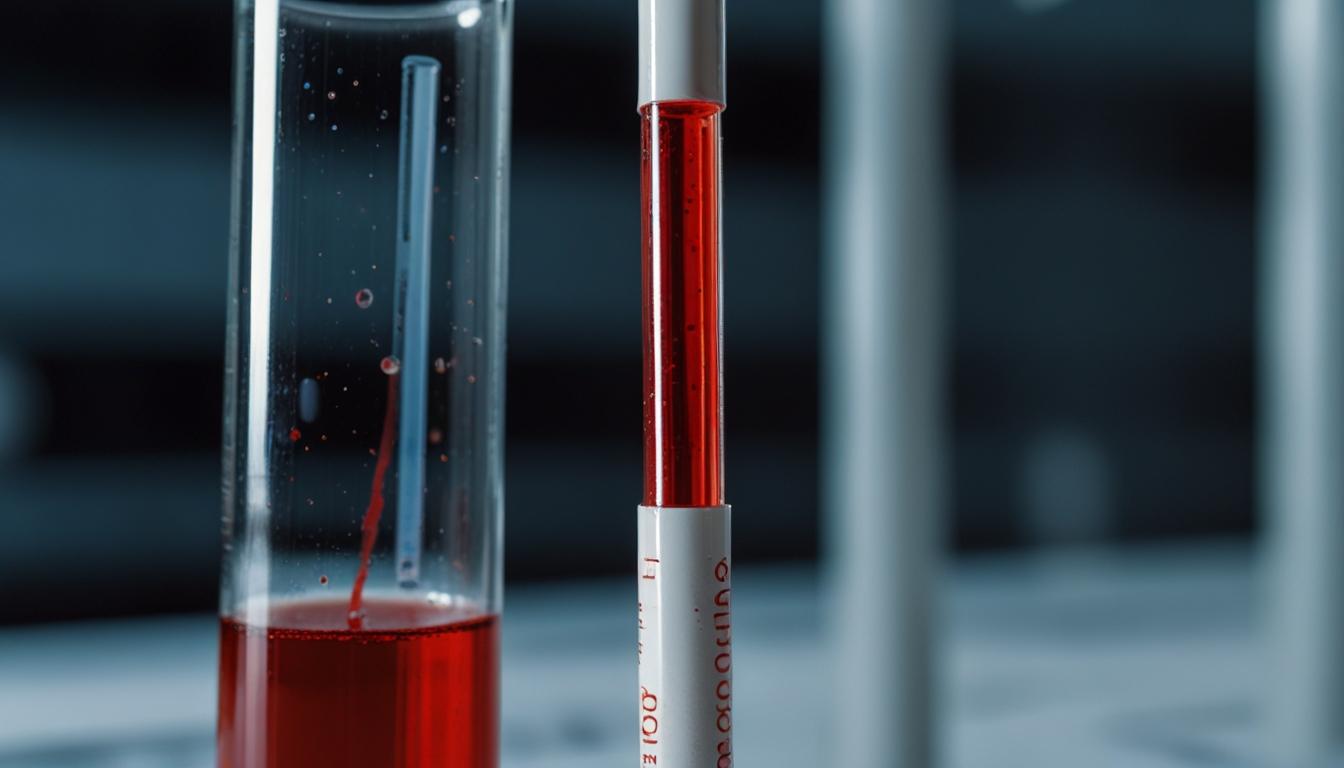
A groundbreaking series of medical technology investments, valued at approximately £148 million, has been announced, aiming to revolutionise cancer detection and treatment in the United Kingdom. Health Secretary Wes Streeting has revealed that these investments will benefit several ambitious projects, including the development of a blood test capable of detecting 12 common and lethal types of cancer at an early stage.
This initiative, backed by both public and private sector funding, is expected to propel the UK’s status as a leader in life sciences and medical technology. The research will be spearheaded by Dr Andrew Shapanis and Professor Paul Skipp, who are working on the promising blood test. This test seeks to provide early detection of cancers such as lung, breast, and bladder through just a couple of drops of blood, potentially reducing the prolonged waiting times for tests and scans.
Research hubs will be established at prestigious institutions, including University College London, the University of Liverpool, the University of Bristol, the University of Glasgow, and the University of Edinburgh. These hubs will serve as focal points for advancements in medical technology, particularly in areas involving artificial intelligence (AI) for diagnosis and personalised immunotherapy treatments.
Peter Kyle, the Science and Technology Secretary, emphasised the dual benefit of these investments, noting that they promise not only improved health outcomes but also significant economic growth. The life sciences sector’s prominent role in the upcoming International Investment Summit underscores its importance to the UK’s economic strategy, as noted by Kyle.
As a cancer survivor himself, Wes Streeting highlighted the critical role of early diagnosis and the latest treatments. He underlined the necessity of these investments, not only for saving lives but also for enhancing Britain's economy.
The government has allocated £2.5 million via the National Institute for Health and Care Research to expedite the development of the blood test, touted as a potential gamechanger in cancer treatment. The screening, referred to as Mionco, aims to detect 50 types of cancer with minimal false positives and is considered a vital breakthrough in personalised healthcare.
Southampton University scientists, involved in the development of this test, have utilised clinical data from 20,000 cancer patients and now plan to enhance the AI algorithms that analyse test samples. This involves incorporating data from 8,000 blood samples drawn from participants of diverse ethnic backgrounds.
Professor Paul Skipp, leading the project at Southampton University, expressed optimism about the test’s capacity to save lives through early cancer detection. It is anticipated that an NHS-ready test could be available within five to seven years.
Moreover, the announcement comes amid broader discussions about the NHS's current challenges. Streeting has expressed concern that the organisation is "letting down patients daily" and has advocated for urgent reforms. Controversially, he proposed giving patients the choice to seek private treatment, with costs covered by the NHS, to alleviate waiting times and disparities in care experienced by NHS patients.
In addition to these developments, a £42 million screening trial for prostate cancer has commenced in the UK, seeking to transform treatment approaches with its large-scale involvement of participants. Streeting has criticised what he describes as "Tory underinvestment," which he argues has left the public healthcare system technologically behind the private sector.
These strategic investments and initiatives highlight the government's commitment to implementing cutting-edge technology in healthcare, with goals of improved patient outcomes and bolstering the UK's standing in the global life sciences arena.
Source: Noah Wire Services