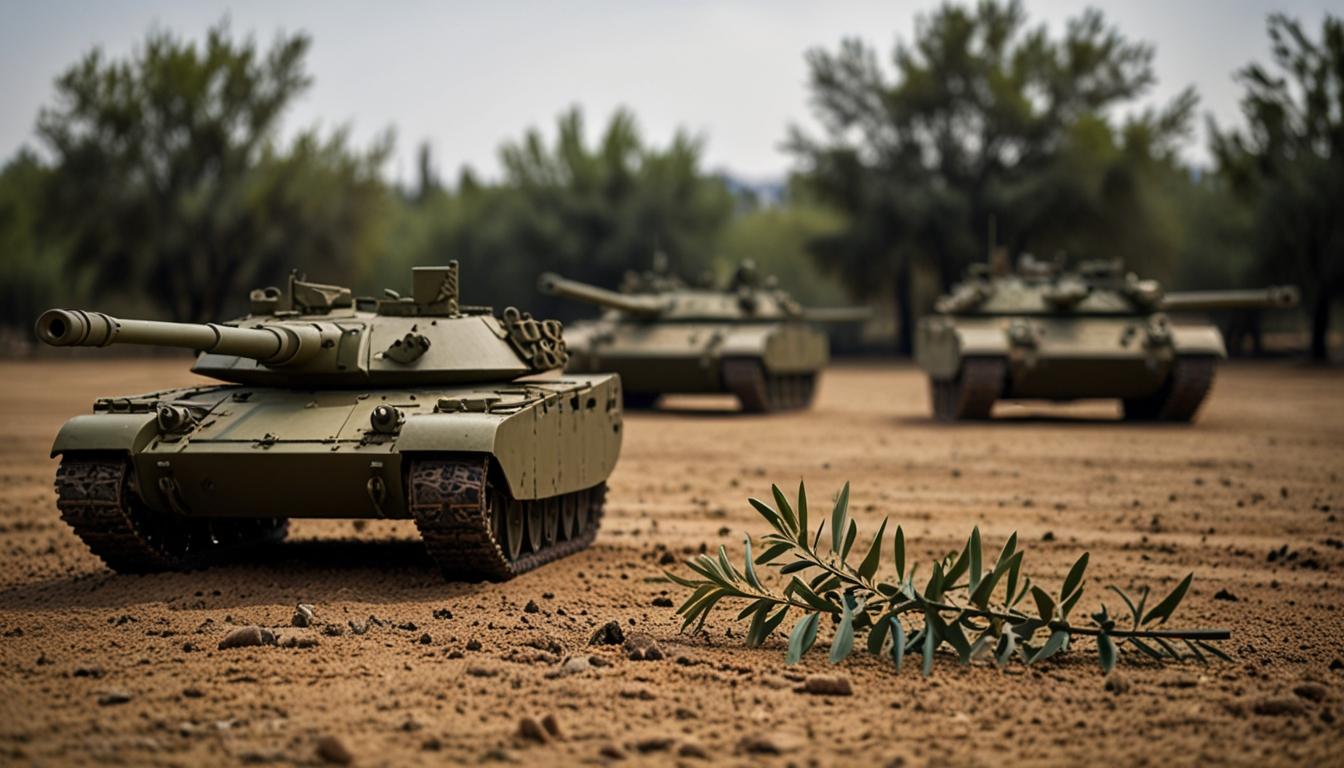
The upcoming Nobel Prize announcements are poised to take place amidst a backdrop of heightened global tensions and conflicts, highlighting the significance and, perhaps, the challenges of awarding the famed Peace Prize in such a turbulent world climate. The announcements, commencing next week, coincide with the one-year anniversary of significant violence and unrest in the Middle East, instigated by the Hamas attacks on Israel on October 7. This timing serves to underscore the current era of international hostilities that includes not just the Middle East but extends to other parts of the world, such as Ukraine and Sudan, where conflicts are ongoing.
In particular, the Nobel Peace Prize has drawn focused attention given the current global climate, punctuated by increasing military expenditures, as observed in the fastest pace of global military spending since World War II, according to the Stockholm International Peace Research Institute. Dan Smith, the institute's director, voiced contemplation over whether this might be a year where the prize should be withheld entirely. Historically, the prize has not been awarded 19 times, including during both world wars, with the last instance occurring in 1972. His concerns reflect the current trend towards marginalising groups making significant peace efforts in a world filled with conflict.
Conversely, other experts, such as Henrik Urdal, the director of the Peace Research Institute Oslo, argue that the Nobel Peace Prize should still be awarded, emphasising its role in promoting and recognizing efforts for peace globally. Acknowledging grassroots organizations and international entities attempting to mitigate violence in the Middle East, such as the nominated groups EcoPeace, Women Wage Peace, and Women of the Sun, could provide a positive spotlight on crucial peacebuilding efforts. Additionally, Urdal indicates the possible recognition of the Sudan Emergency Response Rooms' efforts to aid Sudan amidst its civil strife and famine.
Beyond the Peace Prize, each Nobel category, including those for sciences and literature, will adhere to their respective announcement schedules, beginning with the physiology or medicine prize on Monday. The Nobel Peace Prize, announced by the Norwegian Nobel Committee in Oslo, will wrap up the week on Friday, with the economics prize slated for October 14.
Scientific advancements, particularly those involving artificial intelligence (AI), are anticipated to play a significant role in this year's prizes. AI's dual nature as a tool facilitating peace through scientific breakthroughs, and as a potential catalyst for conflict through the development of autonomous weapons, places it in an interesting position. David Pendlebury from Clarivate's Institute for Scientific Information has drawn attention to Google Deepmind's AI program, AlphaFold, which can predict protein structures with high accuracy. This innovation, already transforming various scientific fields, holds potential recognition in categories such as chemistry, given its profound implications for drug development and medicine.
As the Nobel announcements approach, the world watches with great interest to see which contributions to humanity will be honoured amidst a landscape marked by challenges and the pursuit of peace and progress.
Source: Noah Wire Services