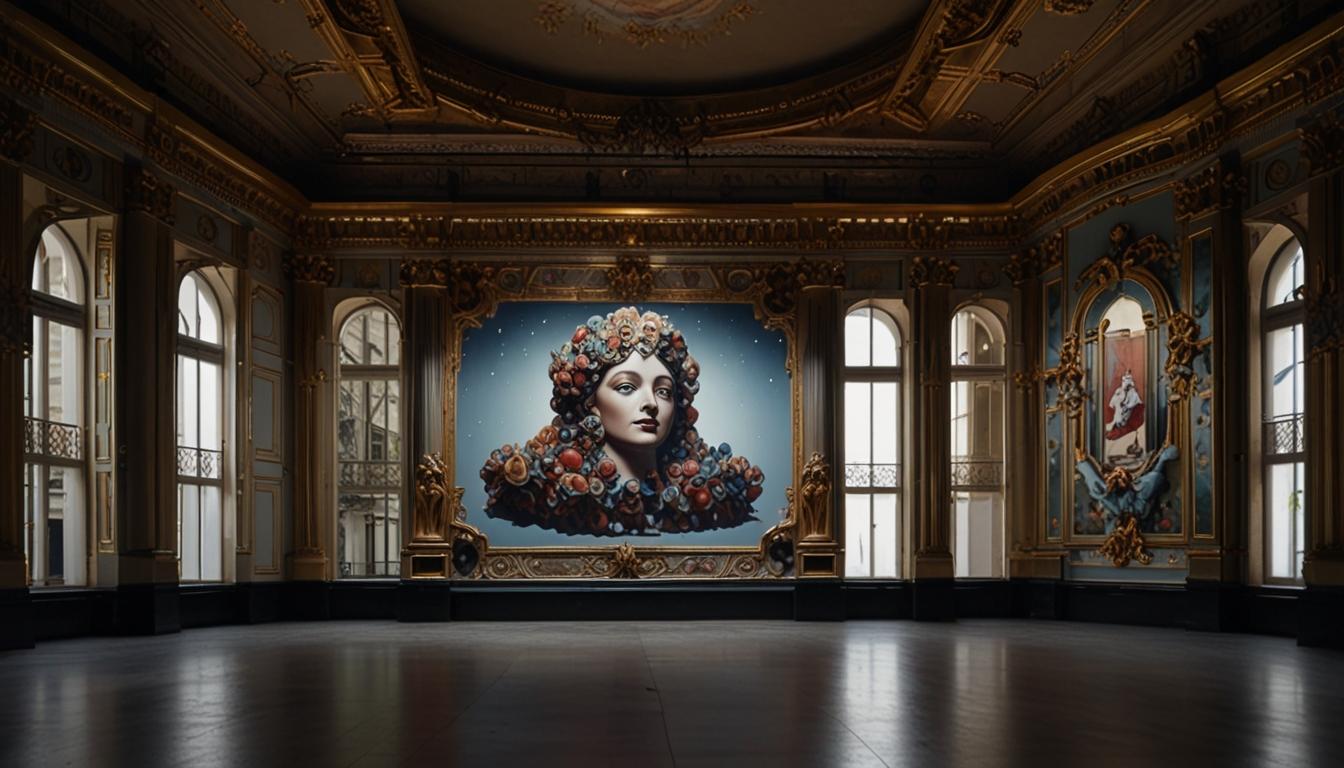
In a notable challenge to the existing framework of US copyright law, Jason Allen, a self-described "synthetic media artist," is appealing the decision by the US Copyright Office to deny copyright registration for his AI-generated artwork, "Théâtre D’opéra Spatial." This piece, which garnered first place in a state fair art competition, was produced using the AI tool Midjourney. The Copyright Office's rejection stemmed from its assessment that the work did not demonstrate adequate human authorship, being predominantly created by an artificial intelligence.
Allen, however, contests this ruling, arguing that it fails to acknowledge the significant human creativity and control exercised during the creation process. In his appeal, Allen points to the intensive process involving over 100 hours and more than 600 tailored prompts, which he meticulously refined to achieve the final product. Allen likens his method to a photographer's careful manipulation of a shoot or a film director's vision communicated through a lens, emphasizing the deliberate artistic choices made to realise his vision.
The crux of Allen's challenge is the belief that the Copyright Office's decision was swayed by a wave of negative media scrutiny and public criticism, which he claims led the office to follow bias and consider factors irrelevant to the determination of authorship. He argues that his interaction with Midjourney was far from a simplistic 'random output' generation but was instead a dynamic process that embodied considerable human creativity and authorship.
This case underscores a broader, ongoing debate over the copyrightability of AI-generated art, as Allen's fight for recognition from copyright authorities could have significant ramifications for the intersection of emerging technologies and intellectual property law. At the heart of this debate is whether works partially or wholly created using AI tools meet the threshold of human creativity necessary for copyright protection. The decision could shape the future framework for AI-generated works, which are becoming increasingly common and sophisticated.
Kit Walsh of the Electronic Frontier Foundation (EFF) maintains that the Copyright Office's current stance is in line with established law, which requires a work to be of human authorship for eligibility for copyright protection. Walsh warns that loosening these requirements could grant undue monopolies over expression, potentially fostering a new category of copyright troll focused on exploiting uncertainties related to AI-created art.
Allen expresses concern that denying copyright to AI-assisted artworks might lead to legal uncertainty and confusion, potentially overwhelming courts with disputes and inhibiting creative innovation. He advocates for a technologically neutral approach to copyright law, one that encourages artists to incorporate new technologies while still safeguarding their rights.
As Allen persists in his legal battle, the case has the potential to set a landmark precedent, shaping how copyright law may adapt in an era where artificial intelligence plays a critical role in creative processes. The outcome could significantly impact artists utilising AI in their work, influencing the balance between technological advancement and the protection of artistic rights.
Source: Noah Wire Services