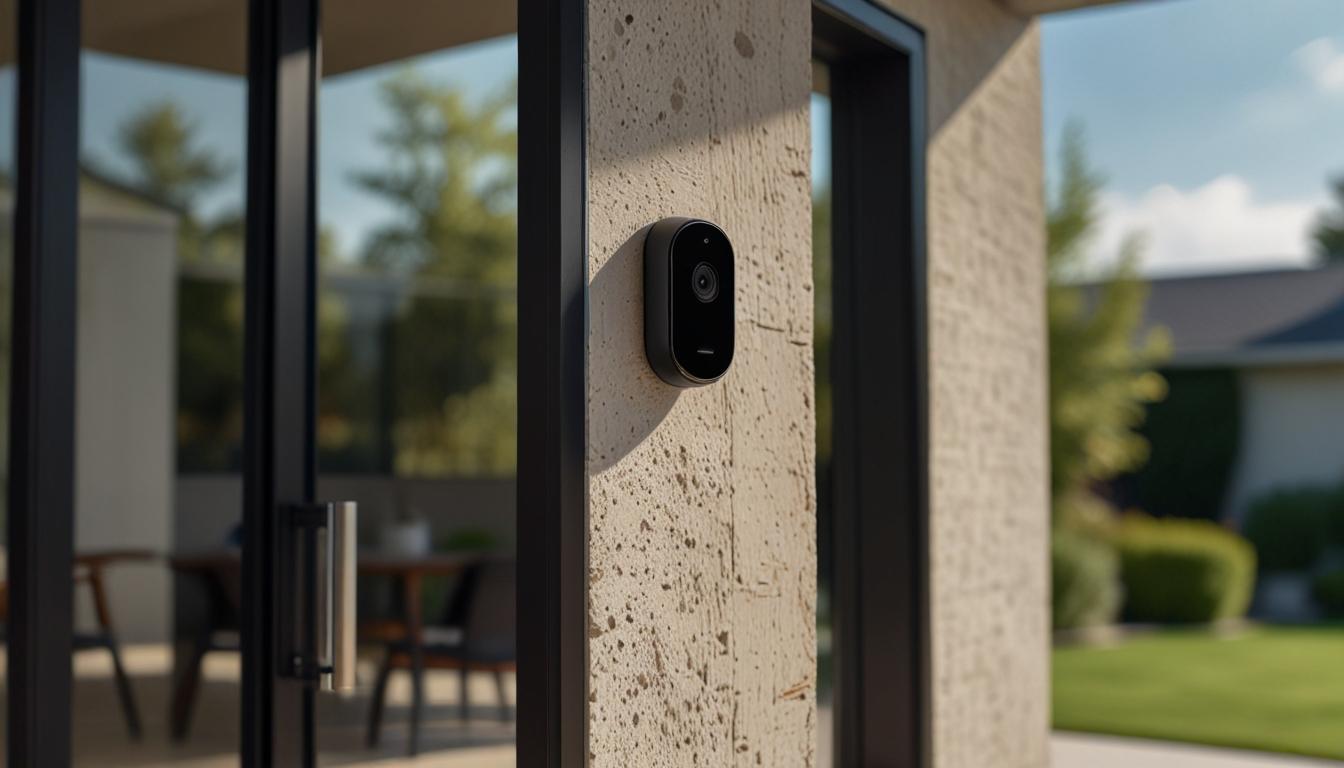
AI-Enhanced Security Cameras Revolutionising Home Safety
Bend, Oregon - The rise of AI-powered security cameras and doorbells is transforming home security, ushering in a new era of safety and peace of mind for homeowners. In a world where porch pirates and privacy concerns are prevalent, these smart devices, equipped with advanced object recognition algorithms, are gaining popularity, offering a powerful combination of convenience, affordability, and enhanced security features.
Recent advancements in AI technology have enabled security devices like Google Nest Doorbells to distinguish between people, packages, and even different types of movement, significantly reducing false alarms and unnecessary notifications. This AI-driven innovation is helping to address long-standing frustrations with traditional security systems, such as overwhelming alerts and cumbersome app interfaces.
The Growing AI Influence
In the ever-evolving landscape of smart home technology, AI plays a pivotal role. Its capabilities are not confined to the confines of tech-savvy enthusiasts; a wide array of consumers are now able to access these innovations thanks to their affordability. Smart home devices equipped with AI-powered recognition features start as low as $50, with more sophisticated systems available in the $100 to $200 range. Monthly service charges for advanced AI features can be as low as $3 to $8.
Adam Wright, a research manager and smart home specialist at IDC, highlighted the compelling value proposition of these devices, explaining that "AI-enabled cameras and video doorbells, in particular, have driven the continued growth and interest in smart security devices."
The deployment of AI in home security systems is part of a broader technological trend, where artificial intelligence is configured to assist with everyday tasks such as security monitoring, thus allowing individuals to focus on more human-centric activities.
AI and Home Security Features
The introduction of features like Google's "familiar face" recognition allows users to customise their home automation systems by identifying known individuals at the door, further enhancing security and operational efficiency. However, the feature raises concerns around privacy, as it involves storing and processing facial data. While advancements like these promise a more seamless integration of AI into domestic settings, they have also sparked debates around data privacy and security.
Privacy concerns remain a critical issue. A study by CraftJack revealed that a significant number of users fear their devices could be hacked or are perpetually recording them, despite such occurrences being rare. To address these anxieties, companies are developing more robust security measures, such as end-to-end encryption and offering users the option to store data locally rather than in the cloud.
Customisable Alerts and Community Assurance
AI-enhanced security is not just about protecting what's inside the home but also provides a reassuring sense of community. Platforms like Ring's Neighbors app allow residents to share security insights and respond to local concerns, such as unidentified individuals or missing packages, cultivating a layer of communal vigilance.
Moreover, advancements in sound and motion recognition enable users to tailor their notifications, sharply reducing unnecessary alerts. Users can specify alert preferences, such as distinguishing between pets and visitors or getting notified when specific actions occur, like glass breaking or unexpected entry, empowering them to maintain security without being overwhelmed by information.
Future Prospects and Developments
While the integration of AI into home security has made notable strides, it's not without challenges. The ongoing development of these technologies indicates a future where security systems may incorporate more sophisticated analytics and offer greater customisation without compromising privacy or increasing anxiety over surveillance.
Technological companies like SimpliSafe and Reolink are in the process of refining algorithms to detect subtler cues of potentially malicious behaviour, aiming to preemptively address threats before they materialise.
As AI technologies continue to evolve, consumers can expect enhancements in how these systems interact with each other and how they can be controlled remotely. The paradigm of home security is shifting towards a balanced approach, where innovation can coexist with privacy, offering a safer, more intelligent living environment for all.
The AI-home security sector showcases that artificial intelligence can indeed foster an effective alliance between technological advancement and residential safety, providing peace of mind without unnecessary intrusion. Whether this equilibrium can be maintained as technology evolves further remains a point of anticipation and careful scrutiny.
Source: Noah Wire Services