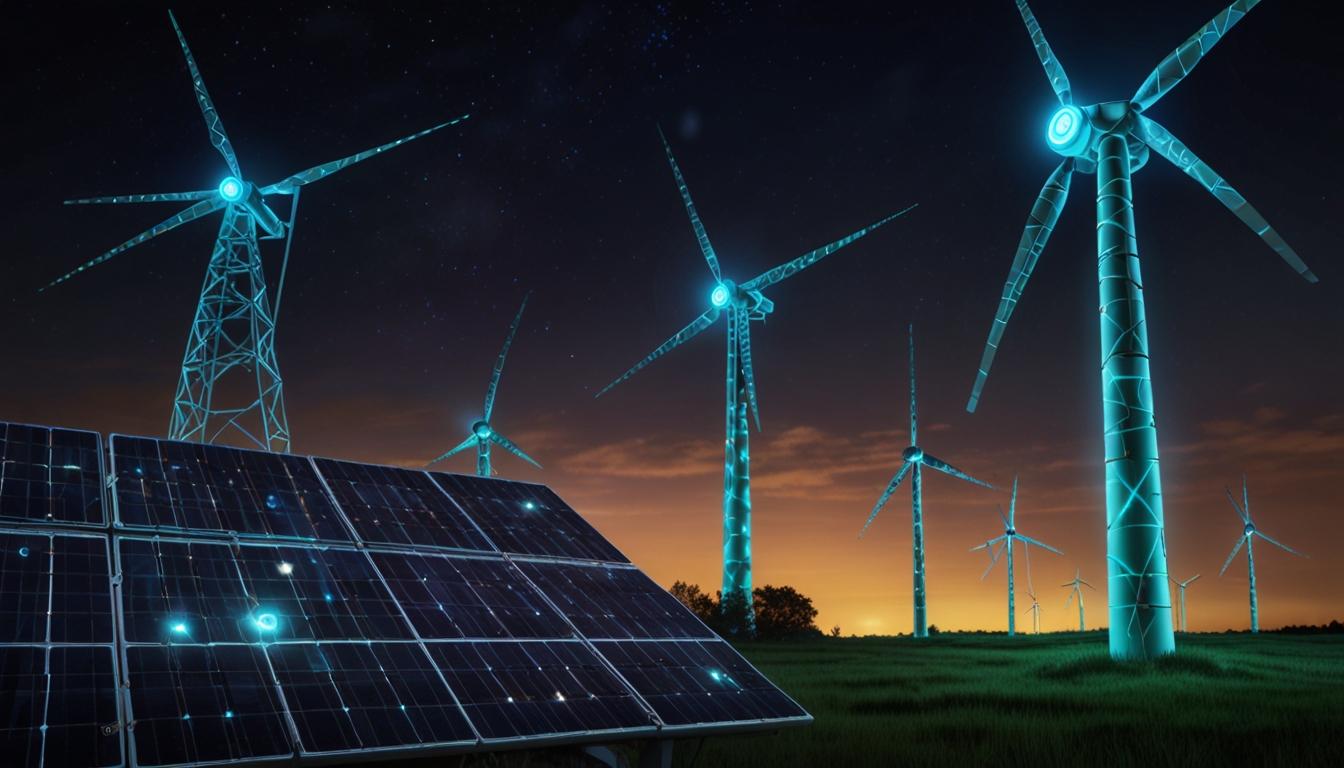
AI Revolutionises U.S. Power Grids in Pursuit of Sustainability
The United States is on a fast track to revolutionise its power infrastructure, aiming to derive 44 percent of its energy needs from renewable sources by the year 2050. This substantial shift towards sustainability is intricately linked with the introduction of artificial intelligence (AI) into the national power grid system. The integration of AI is poised to manage the complexities introduced by renewable energy sources like solar and wind, as noted by industry experts.
Historically, the nation's electrical infrastructure has been described as outdated, designed for a more linear form of energy distribution that does not accommodate the intermittent nature of renewable energy sources. Steve Digneo, an industry professional, highlighted the grid's limitations. "It’s not capable of handling, for example, a lot of solar that’s produced during the day and wind that’s running through the night," Digneo explained, emphasising the need for a modern solution that delivers consistent electricity sustainably and efficiently.
One pioneer in this transition is Xcel Energy, a forefront utility provider in the United States. Xcel Energy has set a precedent by being the first major utility company to announce an ambitious target of achieving net-zero emissions by 2050. AI has become an integral part of Xcel's strategy in pursuing this goal, revolutionising their operations to enhance efficiency through process automation. Tim O’Connor, the company's chief operations officer, shared insights from their success in a McKinsey Digital case study, noting significant improvements in operating efficacies.
In practical terms, these advancements are achieved through sophisticated AI algorithms that predict the output from various renewable energy sources. Such predictive capabilities enable Xcel Energy to adjust its grid operations dynamically, maintaining a stable supply of energy that aligns with its sustainability aspirations. This transformation not only supports the company's net-zero vision but also embodies a significant step forward in the broader energy sector’s adaptation to renewable energy.
With AI at the helm, the U.S. power grid is evolving. The utilisation of intelligent systems not only enhances energy distribution but also ensures that sustainability remains a core focus of future developments. These initiatives underline the significant role of technology in reshaping energy infrastructures to meet contemporary environmental and operational challenges. As the nation progresses towards its 2050 energy targets, the integration of AI in power management provides a compelling glimpse into the future of sustainable energy in the United States.
Source: Noah Wire Services