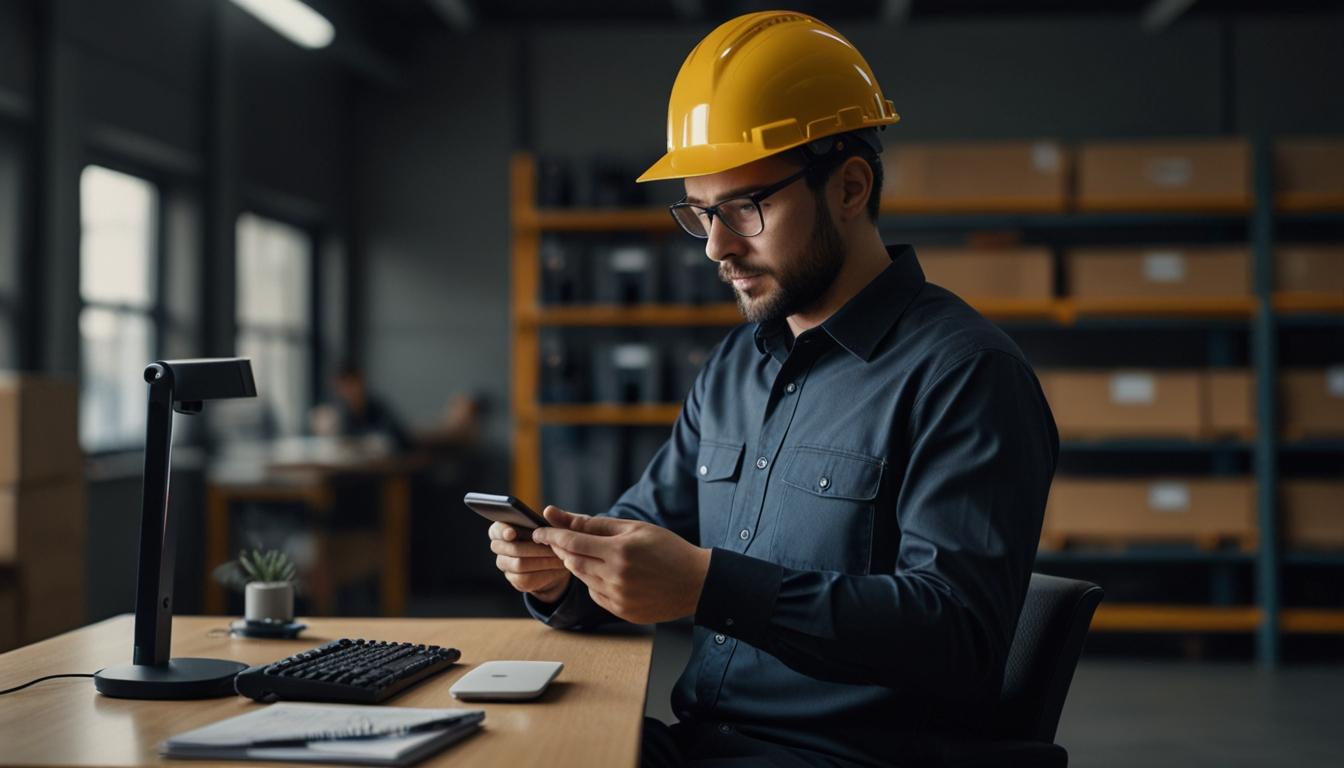
AI Revolutionises Workplace Ergonomics to Combat Musculoskeletal Disorders
The integration of Artificial Intelligence (AI) into ergonomics offers a promising advancement in reducing musculoskeletal disorders (MSDs) in workplaces, potentially saving employers billions of dollars associated with related injuries. MSDs, often caused by overexertion or incidents such as slips, trips, and falls, are a significant financial burden, costing businesses approximately $20 billion annually due to both direct and indirect expenses such as medical care and lost productivity.
Drawbacks of Traditional Ergonomic Assessments
Historically, ergonomic assessments have relied on cumbersome pen-and-paper methods, involving as many as 40 steps to complete a single evaluation. This process not only consumes time but also demands considerable cognitive effort from safety professionals, often leading to fatigue that can hinder effective problem-solving. Such traditional assessments may result in a ‘one-time’ intervention mentality, which proves ineffective in dynamic work environments that demand continuous attention to ergonomic safety concerns.
Furthermore, the traditional approach requires repetitive validation of interventions, which can further strain ergonomists, especially when dealing with multiple cases concurrently, thus diluting their focus and resources.
Advancements with AI in Ergonomic Solutions
AI technology modernises this process, transforming what once took a considerable amount of time into a straightforward, efficient task. By utilising AI and computer vision, ergonomic assessments can now be performed quickly using smartphones, significantly reducing the assessment time to mere seconds. This streamlining conserves mental resources, enabling faster identification and ranking of workplace risks.
AI tools not only expedite solutions but also allow for multiple iterations and layered interventions, making the process more comprehensive and cost-efficient. AI’s capability to offer instant feedback and suggestions supports a flexible, adaptive approach that continuously evolves to meet the changing needs of the workplace.
Benefits to Employees
For frontline workers, AI-enhanced ergonomic assessments translate to fewer workplace injuries, increasing their overall productivity and efficiency while also fostering long-term health benefits. By mitigating MSDs, workers face reduced medical intervention needs, lower absenteeism rates, and fewer workers' compensation claims. Furthermore, enhanced workplace design and processes boost efficiency and job satisfaction while minimising operational costs.
Employer Advantages
Employers, along with seeing a reduction in direct healthcare costs, benefit from improved employee retention and heightened productivity rates. AI-driven ergonomics enable the creation of workstations tailored to individual needs, reducing physical strain and increasing job satisfaction. These adjustments positively impact employee morale and retention, thereby decreasing recruitment and training expenses.
Moreover, AI helps optimise workflow patterns, minimising unnecessary movements and reducing the risk of fatigue or injury, resulting in sustained productivity and profitability. Predictive analytics inherent in AI solutions also offer proactive risk management, identifying potential ergonomic issues before they become serious problems, thus ensuring compliance with occupational health standards and preventing costly operational disruptions.
Conclusion
Overall, the integration of AI into ergonomic assessments presents significant advantages for both employees and employers. By reducing the incidence of workplace injuries and enhancing productivity, AI-driven solutions support long-term health for employees and financial stability for businesses. As the field of ergonomics continues to evolve with technological advancements, the implementation of AI promises a safer, more efficient workplace environment.
Source: Noah Wire Services