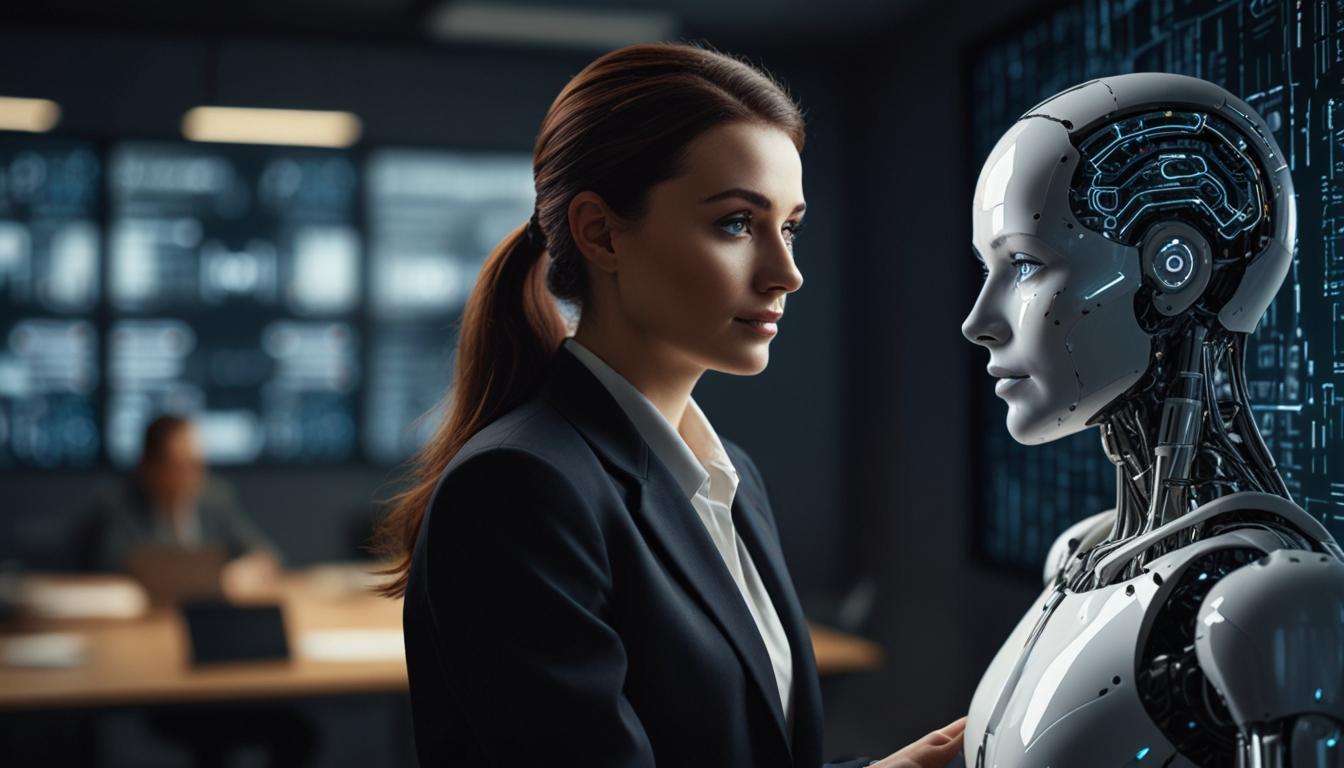
AI's Transformative Role in Human Resources Management
Amid rapid technological advancement, the incorporation of Artificial Intelligence (AI) within Human Resources (HR) departments poses significant opportunities rather than threats. The evolving landscape of HR, historically fragmented in its roles—such as recruitment, onboarding, training, and performance management—is increasingly leaning towards integration. This integration, fuelled by the systemic approach to HR, aims to address the multifaceted challenges organizations encounter today.
Human Resources in Transition
Presently, organizations grapple with elevated turnover rates, workforce stress, and the pressing necessity for employee reskilling. Core priorities for HR in this context include fostering diversity, enhancing employee experience, and boosting internal efficiency. However, data management remains a fragmented affair in large organizations, beset by multiple systems maintaining vital employee information.
Reports indicate that a mere 13% of employees feel they are operating below full capacity, highlighting the need for streamlined processes to minimise administrative burdens while allowing employees to focus on their core responsibilities. AI offers substantial potential in alleviating these pressures. The transformation in the role of HR professionals is notably moving towards creators and consultants rather than mere supporters, underscoring a shift towards roles characterised by product management and analytical responsibility.
Practical AI Applications in HR
The deployment of AI in HR has yielded several high-yield applications:
Talent Intelligence: AI platforms support organizational analysis of employee skills, facilitating promotions and addressing pay equity.
Employee Experience Applications: Advanced chatbots enhance onboarding processes and administrative functions by seamlessly integrating with existing HR systems.
Training and Compliance Tools: The rapidly expanding $350 billion training sector increasingly employs AI to deliver engaging training materials and uniquely tailored learning paths.
Career Development Platforms: Through these platforms, AI helps design personalised career progression paths that align with employees' skills and experiences.
Performance Management: While AI does not substitute for traditional performance reviews, it aids in identifying underperformance by assessing team dynamics.
Retention and Engagement Analysis: Beyond traditional surveys, AI offers insights into factors influencing employee turnover and engagement.
Integrating AI into HR Practices
The efficient implementation of AI in HR requires organisations to pinpoint specific challenges—such as refining onboarding or boosting self-service capabilities—and engage IT departments early for effective data management and security measures. Regular maintenance of AI systems is essential to preserve accuracy and user-friendliness.
As AI becomes more integral, HR professionals will increasingly devote their roles to analysis and training of AI systems, alongside managing product development processes. These shifts enhance their strategic input within the organisation.
Vision for the Future
AI harbours transformative potential for HR by streamlining administrative tasks and enriching talent development and employee engagement. Prospective trends in AI application within HR include:
- Predictive Analytics: Facilitates proactive workforce planning by predicting future needs.
- Virtual HR Assistants: Automate routine administrative tasks like scheduling.
- Chatbots: Deliver immediate solutions to common HR enquiries.
By capitalising on these capabilities, HR professionals can refine operations, support strategic decision-making, and manage expectations surrounding AI implementation.
Will AI Replace Human Roles in HR?
The role of AI in HR is designed to enhance human capabilities, not replace them. While AI can automate routine tasks and rely heavily on data-driven processes, complex interpersonal issues necessitate human judgment. The synergy of AI and human expertise excels in areas such as CV screening and candidate matching. However, no algorithm can fully comprehend organizational culture like a human HR professional, making them indispensable in evaluating cultural fit and growth potential.
AI systems require human oversight to function ethically and effectively; hence, HR leaders are tasked with monitoring for bias or errors. They also support the workforce in understanding AI's impact on their roles.
Towards a Balanced Coexistence
In summary, AI functions as an efficiency enhancer and not a human replacement. A fusion of AI technologies with human expertise can elevate HR to a strategic and data-driven realm, driving enhanced business performance. Although concerns about AI's expanding role in HR are understandable, they should be considered from a perspective receptive to change. The potential of AI to streamline operations and reduce mundane tasks should be welcomed, allowing HR professionals to devote more time to critical responsibilities.
Ultimately, while AI's capacity to fully take over the HR domain remains uncertain, its ability to augment human skills and optimise workflow is unmistakable. Thoughtful AI integration complements rather than supplants the human workforce, benefiting all stakeholders—HR professionals, leaders, and employees—while ensuring that human contributions retain their intrinsic value.
Source: Noah Wire Services