The world of nature documentaries, long associated with the soothing narration of Sir David Attenborough and the hardworking camera crews who brave the elements for hours on end, is set to experience a technological transformation. The BBC has announced its decision to integrate artificial intelligence technology into its documentary production, significantly altering traditional filming methods.
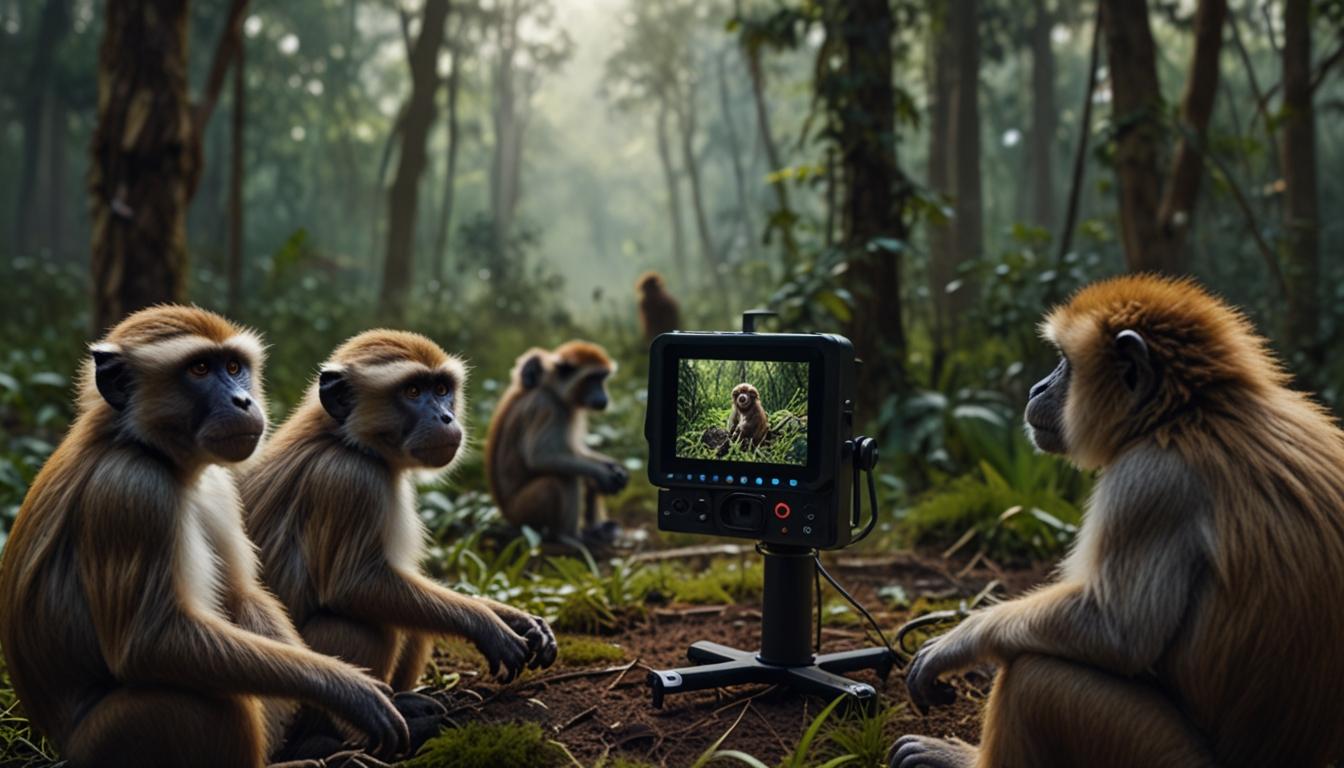
The move comes amidst increasing production costs and fierce competition from streaming channels, prompting BBC's natural history unit to pursue more innovative and cost-effective solutions. Sreya Biswas, the corporation's head of natural history programming, unveiled the initiative, marking the inception of a new series titled "Spy in the Troop". This programme will leverage existing spy creature cameras—animatronic devices designed to blend seamlessly within animal environments. These cameras will possess advanced AI computing capabilities to autonomously observe, interpret, and record the behaviours of animals in the wild.
The robot cameras will be directed at a troop of monkeys, meticulously analysing their vocalisations and facial expressions to understand their emotions and interactions. The autonomous nature of these cameras offers several advantages, not only in refining the quality and comprehensiveness of the footage captured but also in alleviating the need for human camera crews to endure extended periods in often challenging and inhospitable conditions.
Alex Vail, a cameraman renowned for his work on BBC’s Blue Planet, shared insights from personal experiences to highlight the challenges faced by traditional crews. He recounted an instance wherein a six-week endeavour, from dawn until dusk each day, centred around capturing a specific predator-prey interaction in the jungle. Ultimately, the anticipated event did not take place, illustrating the unpredictable nature of wildlife filming and the considerable time investment often involved.
The BBC’s decision to embrace AI technology has been met with interest and some scepticism, due partly to past controversies surrounding the authenticity of certain documentary scenes. In 2011, the corporation faced criticism when it came to light that scenes in the acclaimed "Frozen Planet" series, depicting polar bears giving birth, were filmed under controlled conditions in a Dutch zoo rather than in the wild as viewers had been led to believe. This incident, along with others, has brought to light the occasional use of fabricated or staged scenes in nature documentaries.
More recently, Hamza Yassin, another BBC cameraman and former winner of Strictly Come Dancing, commented on the industry’s tendency to manufacture or manipulate footage to evoke emotional responses regarding environmental issues. These revelations have sparked broader discussions on the ethics and responsibilities involved in wildlife filmmaking.
Despite such controversies, Sir David Attenborough, a towering figure in natural history broadcasting, defended these practices by likening documentary filmmaking to creating cinematic experiences, where certain liberties might be taken to enhance storytelling. Since the revelations, the BBC has made efforts to increase transparency, clearly indicating instances of 'controlled filming' in its documentaries.
As these pioneering AI-equipped cameras prepare to take the stage in "Spy in the Troop", the implications for the future of wildlife documentaries are profound. The technology promises to deliver more reliable and nuanced insights into animal behaviour, potentially reshaping viewers’ understanding of the natural world. Whether this pivot will lead to further ethical debates or set a new standard in wildlife filmmaking remains to be seen. Nonetheless, this shift represents an ambitious step forward for the BBC in its quest to maintain leadership in natural history storytelling amidst an evolving media landscape.
Source: Noah Wire Services