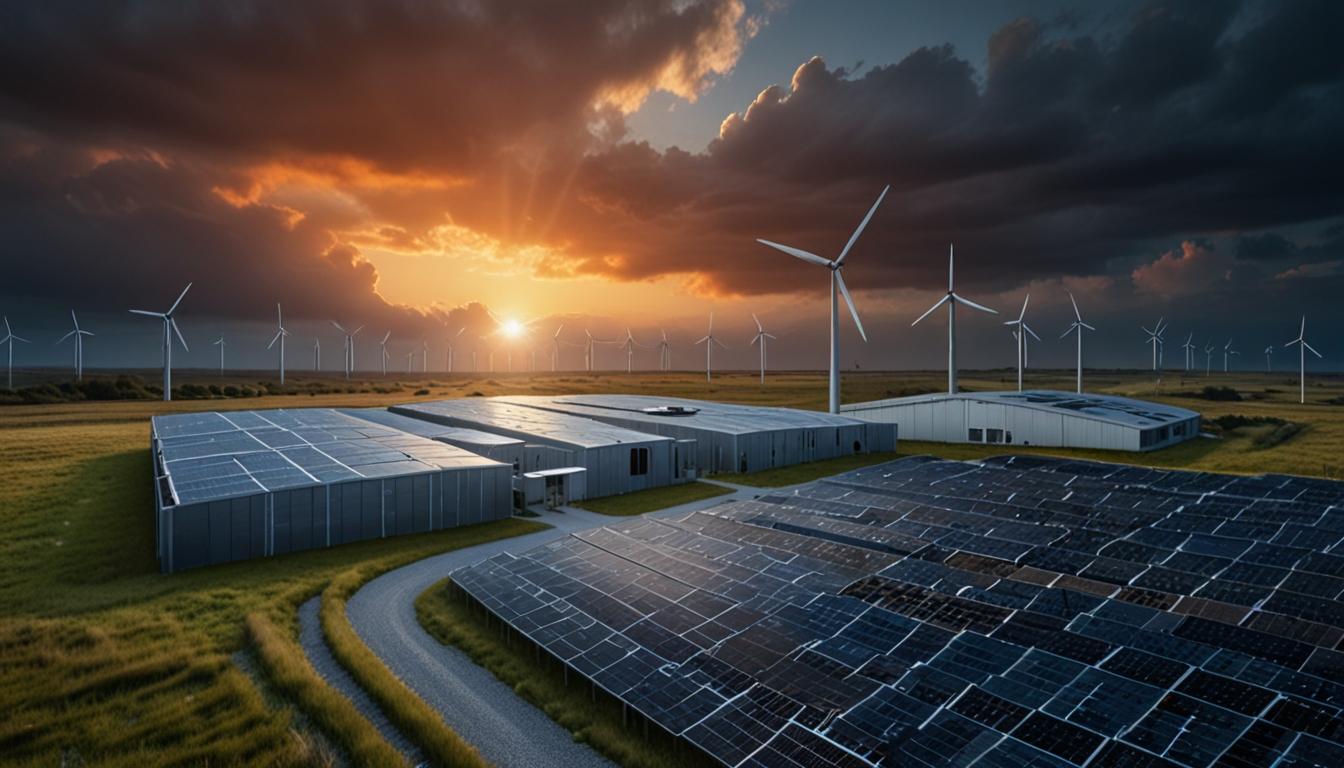
As digital technology continues to permeate every aspect of modern life, the energy required to power data centres, artificial intelligence (AI), and cryptocurrencies is becoming a critical topic of interest. The sharp increase in energy consumption associated with these technologies poses significant challenges, particularly in relation to the integration of renewable energy sources necessary to meet climate objectives.
In a recent exploration of this issue, experts highlight that data centres, which serve as the backbone of the digital world, are particularly energy-intensive. In 2022, energy consumption by data centres, AI, and cryptocurrencies accounted for approximately 2% of the total global electricity demand. Projections suggest this figure could double by 2026, equivalent to adding a new energy consumer on par with the entire nation of Sweden to the global grid.
This rapid energy demand growth raises questions about the feasibility of relying solely on renewable energy sources to sustain such expansion. While companies like Google and Microsoft are committed to increasing their use of green energy within their data centres, logistical challenges remain. Renewable sources such as solar and wind are variable and do not provide the continuous energy supply that these centres require, necessitating reliance on traditional power sources to ensure uninterrupted operations.
Moreover, the timeline for integrating renewable infrastructure is misaligned with the pace at which new data facilities are constructed. Building a data centre can be accomplished in about a year, whereas establishing new renewable energy capacity might take several years. This discrepancy could impede efforts to completely transition to sustainable energy practices in the near term.
Furthermore, the data on energy usage, particularly concerning AI workloads, remains opaque. Companies have not been fully transparent about the proportion of energy devoted to AI activities, making it difficult for researchers and policymakers to assess the overall environmental impact accurately. Training a large language model, such as GPT-3, uses as much electricity as 130 average U.S. households in a year, and with AI systems expected to double in energy requirement every nine months, the cumulative consumption potential is significant.
Despite promises from technology companies to pursue greener operations, the ongoing dependence on fossil fuels as backup energy sources poses additional challenges. This reliance potentially prolongs the lifespan of coal plants or prompts the construction of new natural gas facilities, inadvertently counteracting efforts to reduce carbon emissions on a global scale.
The tension between advancing digital technologies and sustainable energy use is evident, and navigating this landscape remains complex. Policymakers and industry leaders face the challenge of ensuring that technological progress does not undermine broader environmental goals. The dialogue continues as the tech industry and energy sector search for solutions that balance innovation with ecological responsibility.
Source: Noah Wire Services