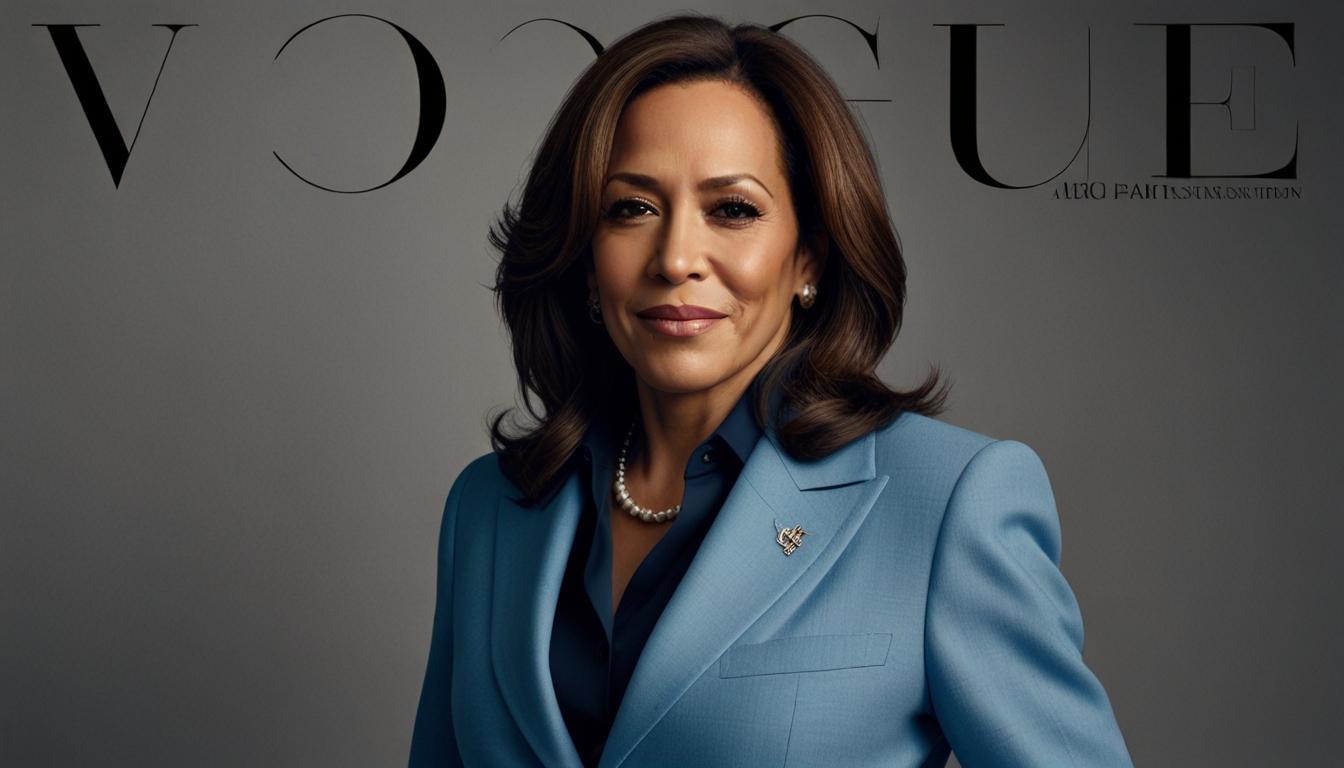
Vice President Kamala Harris has once again become the centre of a media storm following her latest appearance on the cover of Vogue magazine. The October digital issue, described by the publication as portraying Harris as the "candidate for our times," has generated significant public discourse, particularly surrounding the perceived heavy airbrushing of the images.
In the cover photo, Harris, styled in a Gabriela Hearst suit and accessorised with her signature Tiffany earrings, faced criticism not for her attire but for the photographic edits that some social media users described as excessive. Critics took to various platforms to express their dissatisfaction, with comments highlighting the airbrushing techniques used on her face. Some even suggested the image resembled artificial intelligence rendering, questioning the artistic integrity of the portrayal.
The ongoing conversation revisits the discourse from Vogue's February 2021 issue, which also featured Harris. The initial release drew criticism for what some perceived as a disrespectful portrayal of America's first woman of colour Vice President, depicting her in a casual ensemble of a black suit, white t-shirt, and Converse sneakers. Dissatisfaction arose from fans who felt this photo did not meet Vogue’s high fashion standards.
This latest cover comes amid a significant moment in Harris’s political career. Following President Joe Biden’s decision to opt-out of the 2024 presidential race, Harris, at 59, stands as the Democratic candidate, tasked with entering and potentially winning an unprecedented presidential race within a short timeframe. The Vogue cover and accompanying profile allude to these unique challenges, painting Harris as a pivotal figure during a critical time in American politics.
The digital cover, revealing Harris in a blue suit—a choice reportedly approved by her team—was designed to present a more presidential image. The profile highlights Harris's pledge to prioritise the country's welfare above party lines, capturing the gravity of the task ahead as articulated during her speech at the Democratic National Convention.
However, the controversy over the cover extends beyond its artistic rendition, tapping into broader conversations about media representation. Some supporters of former First Lady Melania Trump voiced their grievances, comparing her lack of a Vogue cover during her tenure as First Lady to Harris's double feature. This sparked discussions about perceived media biases, particularly in relation to prominent political figures and their representation in major publications.
Melania Trump, who rose to fame through her modelling career before becoming First Lady, never graced the cover of Vogue, leading to ongoing speculation and criticism from her supporters about selective media coverage. The choice to feature Harris yet again, along with recent covers featuring figures like Dr. Jill Biden, has been noted by some as evidential bias by the magazine.
In previous remarks to Fox and Friends, Melania Trump commented on the matter, suggesting that the media's preferences were evident but remained nonchalant, indicating her focus was on more substantial priorities during her time in the White House.
The Vogue cover thus continues to fuel discussions about media representation, political positioning, and the influence of high-profile publications in shaping public opinion and image within the political landscape.
Source: Noah Wire Services