Meta Platforms, the parent company of Facebook and Instagram, has unveiled an advanced suite of artificial intelligence models called Movie Gen aimed at revolutionising video and audio content creation. This announcement places Meta in direct competition with other tech giants such as OpenAI and Runway, both of which are also exploring AI-driven video generation solutions for filmmakers and content creators.
Movie Gen, Meta's latest initiative in the realm of AI aesthetics, is designed to generate realistic videos from text prompts, edit existing clips, and synchronise audio with visual content. It can produce high-definition videos lasting up to 16 seconds. This tool includes storytelling models that cater to diverse tasks, such as video editing, matching sounds with visuals, and personalising visual content with specific images.
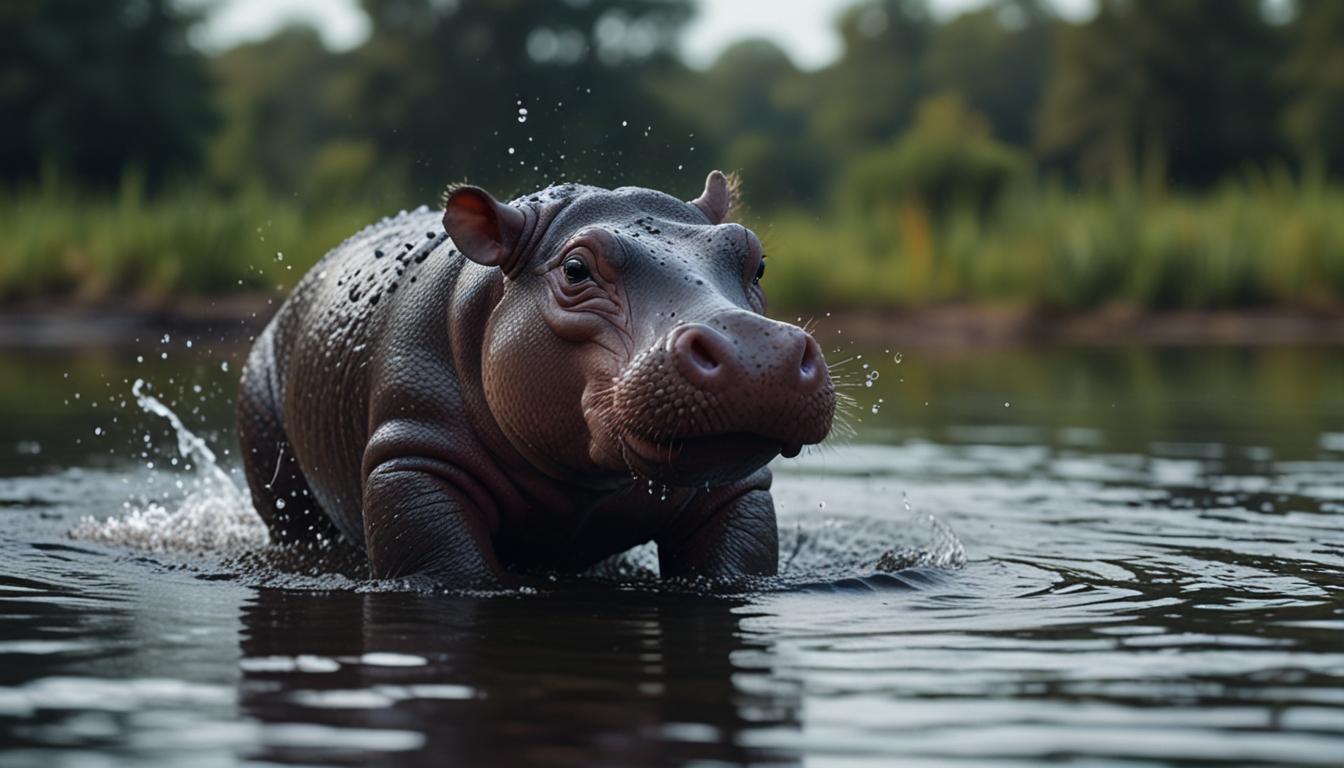
As part of its long-term vision, Meta plans to offer these innovative tools to Hollywood filmmakers, digital artists, and social media influencers involved with its platforms. Despite having demonstrated the capabilities of these tools, Meta projects that full user integration will not occur until the following year at the earliest. Meta shared several 10-second video samples produced by Movie Gen, highlighting its potential to create detailed and imaginative scenarios like a baby hippo skimming through water or a woman donning steampunk goggles in a virtual reality setting.
The introduction of such technology aligns with Meta’s broader strategy to integrate AI advancements into entertainment and advertising sectors. Companies like Runway have secured collaborations, such as their agreement with Lionsgate to devise a bespoke AI model trained on popular film franchises like "The Hunger Games". This industry-wide AI exploration underscores the desire of tech entities to monetise AI tools.
According to Meta, their AI-generated videos outperform those of competing models such as OpenAI's Sora and Runway's offerings in terms of quality, motion, naturalism, and coherence. This assertion is based on blind evaluations by human reviewers. However, details regarding the datasets used to train these models remain somewhat guarded, with Meta acknowledging reliance on both licensed and publicly available data while omitting further specifics.
While the capabilities of AI in video generation are expanding, they have prompted discussions about employment impacts within the entertainment industry. Actors and production staff have expressed concerns regarding the potential effects these technologies might have on their roles. Meta acknowledges these discussions, stressing that AI is not intended to replace the work of human artists and creators. The company is also taking measures to address ethical concerns, such as watermarks on AI-generated videos to mitigate copyright issues and prevent misuse in deepfakes.
In exploring the potential of Movie Gen, Meta has released a research paper detailing that the video component of the model has 30 billion parameters, while the audio component contains 13 billion parameters. This places it in a competitive space, especially when compared to its predecessors, like the Llama 3.1 model.
Moving forward, Meta remains focused on refining these AI tools responsibly, with ongoing feedback from the filmmaking and artistic community guiding its development trajectory. While the full capabilities of Movie Gen may not be accessible to the general public for some time, its unveiling highlights significant strides in AI-assisted content creation technologies.
Source: Noah Wire Services