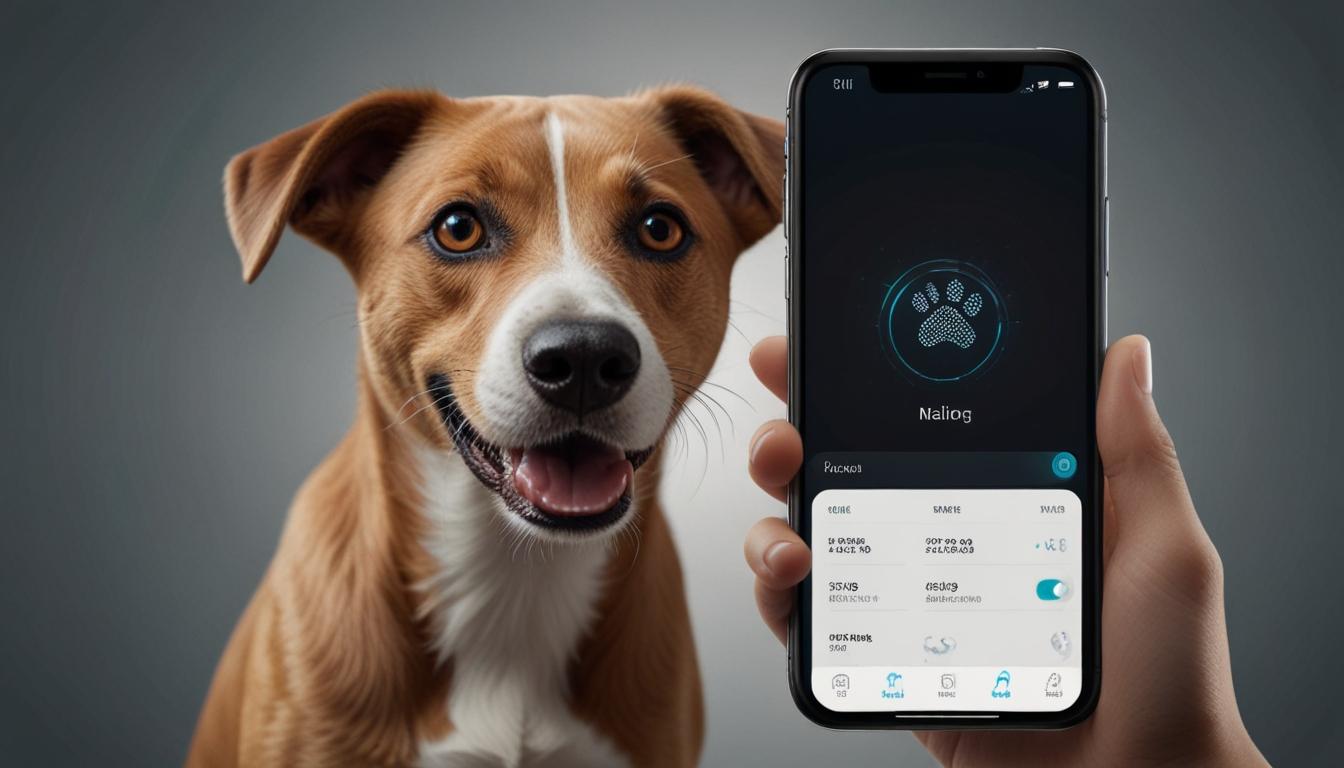
Petnow: The Latest in AI-Powered Pet Identification Technology
In a world increasingly driven by artificial intelligence, Petnow stands at the forefront of innovation in pet safety and identification. Launched in 2023, this AI-powered application has set its sights on revolutionising traditional methods of pet identification such as microchips, collars, and tags. Named "Best of Innovation" at the 2022 CES Innovation Awards, Petnow has quickly expanded its availability to 16 countries, including the recent addition of Australia and New Zealand.
Founded in 2018 by Jesse Joonho Lim, Petnow utilises cutting-edge technology to capture the unique biometric information of pets using its deep-learning models. For dogs, the app scans the nose print using an ordinary phone camera, while for cats it relies on facial recognition. The company asserts a 99.9% accuracy rate in identifying and verifying individual pets, aiming to provide a reliable and convenient alternative to existing pet identification techniques.
Petnow’s functionality extends beyond just identification. When a pet goes missing, the app can send alerts to local users within the community. Additionally, the app includes a feature called PetWay, designed to facilitate community-driven efforts in reuniting lost pets with their owners.
Creating a biometric ID for a pet using Petnow is straightforward. Users begin by setting up a profile for their animal, which involves uploading five untouched photos of the pet's entire body, along with other identifying details like name, breed, sex, and date of birth. Once the profile is created, users carry out the nose print scan in a well-lit area by moving their phone back and forth about a foot away from the pet’s nose. After completion, the biometric data is then linked to the pet's profile, allowing owners to report a missing pet or report sightings directly through the app.
Petnow also offers a blog, Petnow Tips, which addresses common pet owner questions and provides insights into how AI is optimised for pet identification. However, there are some concerns regarding user data privacy, as the app assures data protection without offering detailed explanations on safety measures.
Despite its promising start and prestigious recognition, Petnow remains a newcomer in the field, and its long-term efficacy as an alternative to microchipping is yet to be fully established. As it gains traction, users and industry experts alike will be keen to observe how Petnow evolves and potentially increases its features and services.
While Petnow is free for users at present, there have been suggestions that a membership model could help in further developing the platform and its underlying technology. For pet owners considering using Petnow, it remains an intriguing option, yet it might be prudent to continue using traditional identification methods, such as microchipping, until more comprehensive data on its effectiveness becomes available.
Source: Noah Wire Services