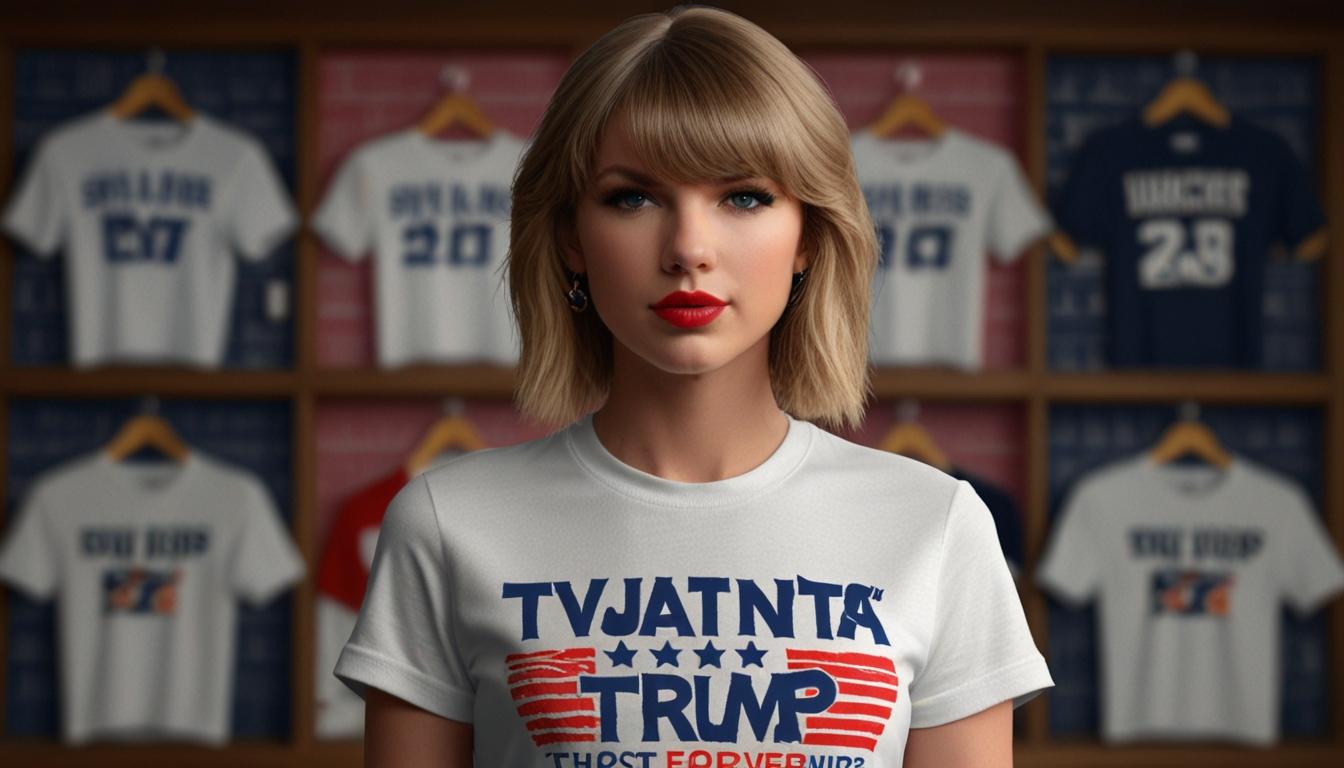
Pop superstar Taylor Swift finds herself inadvertently entangled in political discourse after former US President Donald Trump used her likeness in a social media post promoting his electoral campaign. On August 18, 2023, Trump shared a series of images on Truth Social, a platform known for its association with the former president. One of these images depicted Swift with a statement suggesting her endorsement of Trump, alongside photographs of young women donning "Swifties for Trump" T-shirts. While one image of a purported supporter appears authentic, others, including the image of Swift, are generated using Artificial Intelligence (AI).
The inclusion of Swift in this political narrative has sparked widespread debate online, crossing political lines and engaging Taylor Swift's ardent fan base. Central to this discussion are concerns about the legality and ethical implications of using AI to suggest endorsements.
Questions of potential defamation arise from Trump's post. According to federal law, defamation involves false statements that damage a person's reputation, portraying them in a false light. To establish a defamation claim, Swift would need to demonstrate that the image and accompanying statement were false, publicly communicated, negligently produced, and caused harm. However, any legal argument might hinge on proving reputational damage given Swift's established political views, including her known support for Kamala Harris.
Further complicating the situation are the issues surrounding the right to publicity, which varies from state to state. Swift, as a public figure, arguably has grounds to assert her likeness was used without consent. Nevertheless, successful litigation might be difficult, given the post was not commercial in nature, which typically limits applicability of publicity rights designed to protect against unfair commercial use.
Moreover, Swift's legal team could consider potential trademark violations. Her company, TAS Rights Management, LLC, holds trademarks on "Swifties," which sites like Etsy have used to market merchandise. The emergence of "Swifties for Trump" apparel could potentially infringe upon these trademark rights, adding another layer to the legal conundrum.
Further complicating the matter are copyright considerations. While Swift's image was used, she may not hold copyright over the photograph used in the digitally manipulated image; such rights typically belong to the photographer. Recent legal precedents have seen other celebrities facing similar disputes over photographs used without proper licensing.
As legislative frameworks struggle to keep pace with rapidly advancing AI technology, various pieces of proposed legislation aimed at regulating deepfakes are currently under consideration in the US Congress. The Deepfake Accountability Act and the No Fakes Act seek to criminalise the misuse of AI in creating false and potentially damaging representations. On a state level, California has taken progressive steps to address AI-related issues, and several other states have enacted laws to regulate the use of deepfakes.
Meanwhile, social media platforms traditionally mitigate legal liability through compliance with the Digital Millennium Copyright Act (DMCA), requiring swift removal of infringing content. However, Truth Social, closely linked to Trump, represents a unique case where internal policy might differ due to its ownership structure.
As Swift deliberates her next moves, the incident underscores the broader implications of AI technology in media and politics. While Swift's fans may have largely seen through the posts, the swiftly evolving landscape of AI suggests a complex future for image rights and digital identity. How this issue unfolds remains to be seen, both in terms of legal outcomes and its impact on public discourse.
Source: Noah Wire Services