Tentative Agreement Reached to Suspend Three-Day US Dockworkers' Strike
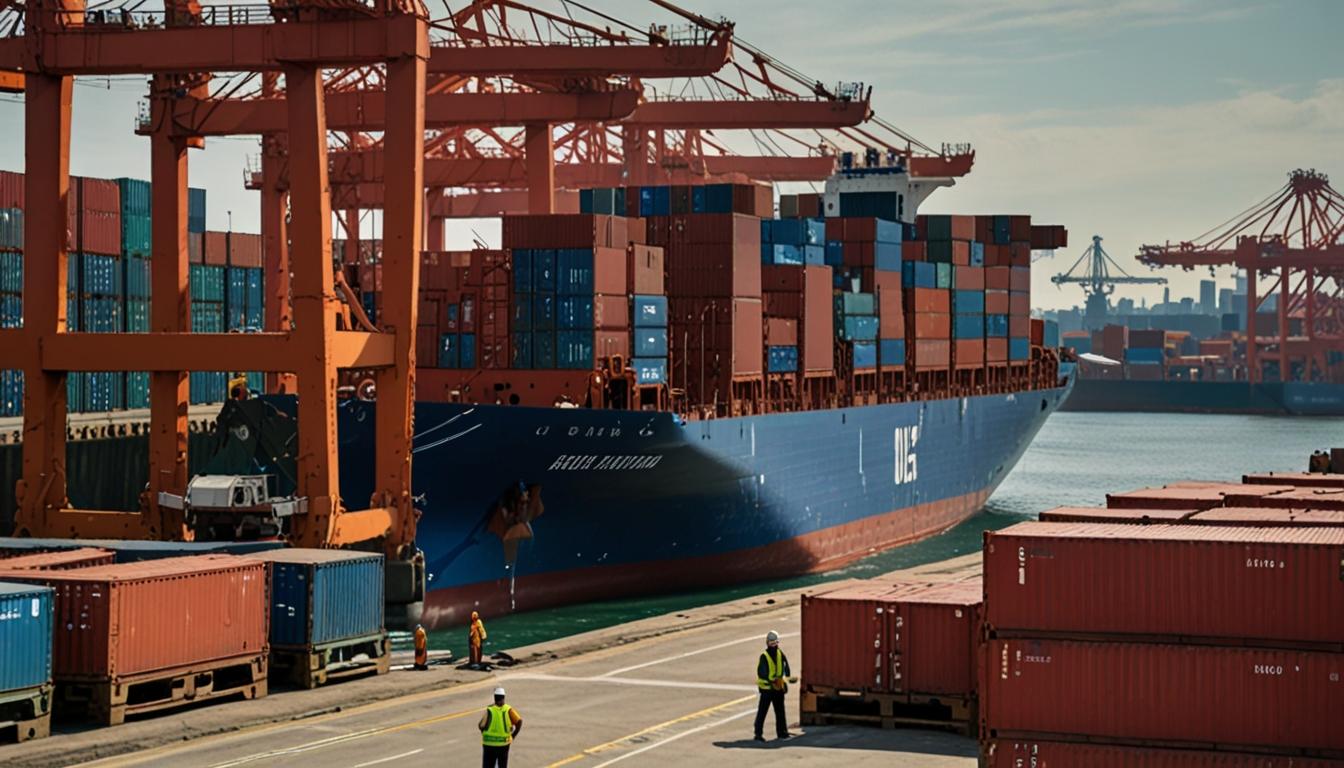
After a brief but impactful three-day strike, dockworkers at 36 ports along the East and Gulf coasts of the United States will return to work following a tentative agreement between the International Longshoremen’s Association (ILA) and the United States Maritime Alliance. The news comes as a relief to many involved in commerce and industry, as the ports, which handle approximately half of the cargo in and out of the United States, were paralysed during the peak of the holiday shopping season.
This tentative deal, reached late Thursday, stipulates an immediate cessation of all current job actions and a resumption of work under an extended contract until January 15. During this period, both parties will continue to negotiate unresolved issues. The agreement emerged from a strike initially sparked by disputes over wage increases and concerns regarding the automation of port facilities.
Key among the union’s demands was a significant wage increase. Dockworkers had sought a $5 increase per hour annually over six years, which would have led to a 77% wage hike. While a 62% wage increase has been tentatively agreed upon, the contract’s ratification will hinge on union member approval, anticipated by January 15. In addition to wages, workers are also negotiating improved pension contributions and a fair distribution of royalties on the goods moved.
The strike, which commenced following the expiration of the previous contract at midnight on September 30, saw the ports from Maine to Texas come to a standstill. Essential goods, ranging from food to automobile parts, were blocked, causing concerns about potential shortages and economic repercussions. With stalled goods worth billions waiting offshore, the economic impact was estimated to be as high as $5 billion per day, according to JPMorgan analysts.
The urgency of the situation garnered significant attention, with President Joe Biden remarking optimistically about the development. He expressed hope that the agreement would hold and highlighted the importance of collective bargaining in strengthening the economy. Retailers, many of whom had anticipated the strike and stocked up on goods in advance, also expressed relief. Virginia residents, responding to news of the strike, engaged in panic buying, notably scrabbling for essential products such as toilet paper.
While the immediate crisis has been averted, the business community remains wary. Matthew Shay, President and CEO of the National Retail Federation, emphasised the importance of reaching a long-term agreement to ensure economic stability. Similarly, Jay Timmons of the National Association of Manufacturers warned against complacency and urged both parties to capitalise on the current momentum to forge a fair and lasting resolution.
The agreement's future hinges on the successful negotiation of other unresolved issues, particularly around the automation of port operations – a sticking point for the union. The International Longshoremen’s Association has been vocal about their resistance to increased automation, which they argue could threaten job security and working conditions.
For now, as the ILA members await the final contract details and potential ratification, port operations have resumed, mitigating immediate supply chain risks and allowing both parties the necessary time to negotiate terms acceptable to all stakeholders.
Source: Noah Wire Services