Tesla's Ambitious Robotaxi Unveiling Amid Continued Self-Driving Challenges
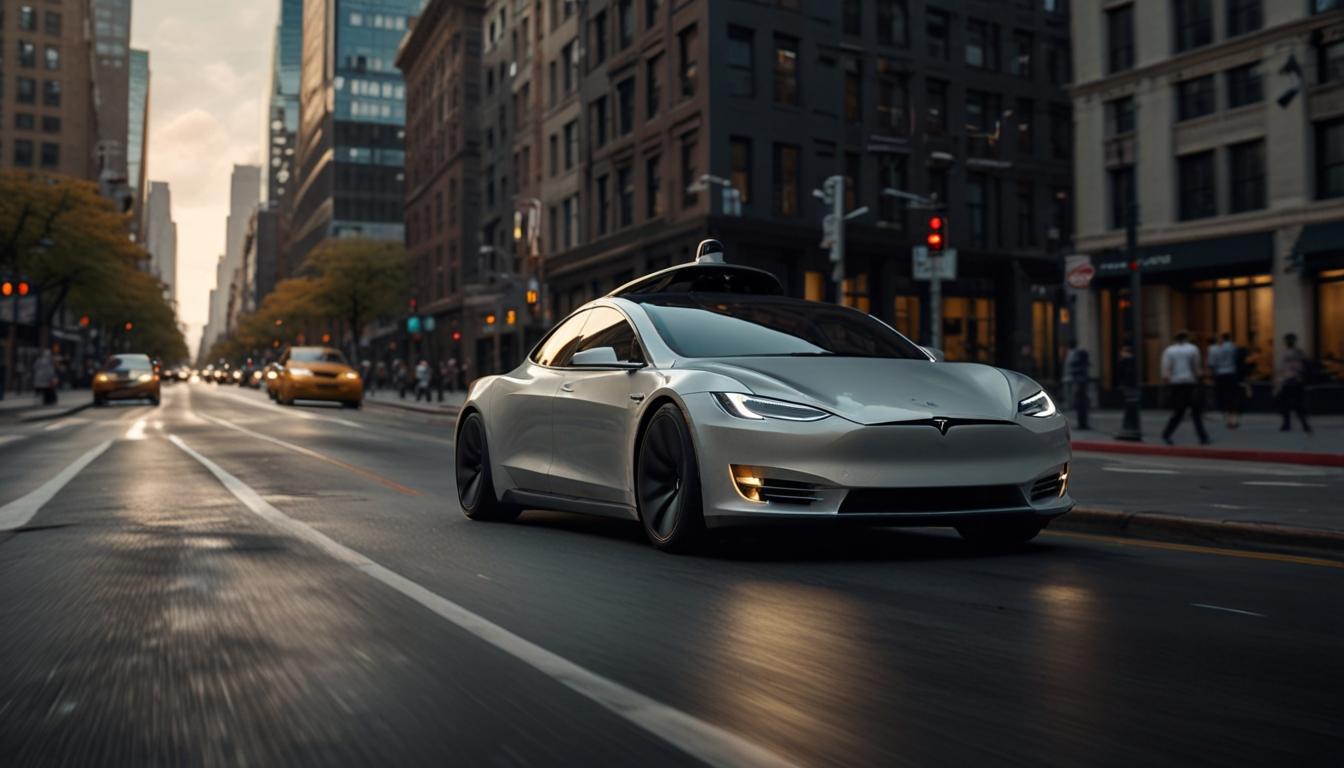
In a much-anticipated move, Tesla is set to unveil a new fully autonomous vehicle designed to offer a robotaxi service, eliminating the need for a human driver. This significant reveal is scheduled for 10th October at Warner Bros. Studios in Burbank, California. Tesla plans to stream the event, dubbed "We, Robot," live on X and possibly on YouTube.
The unveiling comes at a crucial time for Tesla, as it faces increasing competition in the self-driving arena from major automotive manufacturers and rising Chinese companies. Elon Musk, CEO of Tesla, has indicated that the future value of Tesla largely hinges on its self-driving technology. He emphasised this point in a recent earnings call, claiming that the worth of the company is "overwhelmingly" tied to its autonomy capabilities.
Despite Musk's history of revolutionary ideas, such as reusable rockets and satellite internet services, his commitments regarding fully autonomous vehicles have often fallen short. Over the past decade, Musk has made multiple forecasts about the imminent arrival of self-driving Teslas, forecasts that have yet to materialise fully. These repeated unmet promises have left customers, analysts, and investors questioning when — or if — a driverless Tesla will truly become a reality.
Historical Promises and Present Realities
Musk first predicted in December 2015 that Tesla would achieve full autonomy within two years. However, nearly nine years later, Tesla vehicles still necessitate active human intervention. While Tesla currently offers driver assistance features branded as Autopilot and Full Self-Driving (FSD), these require the driver to maintain full alertness at all times. This gap between promise and performance has led to several investigations by regulatory bodies, including the U.S. Department of Justice and the Securities and Exchange Commission, questioning whether Tesla has exaggerated the capabilities of its autonomous technology.
In 2016, Musk boldly claimed that Tesla’s vehicles could drive more safely than humans, yet regulators still have not sanctioned fully autonomous capabilities in consumer models. Additionally, in 2019, Musk predicted that Tesla would soon deploy a fleet of robotaxis. Yet, as of now, Tesla has not launched such a service, lagging behind companies like Waymo which already operate in major cities like San Francisco and Phoenix with their driverless ride-hailing services.
Regulatory and Competitive Landscape
The regulatory landscape poses a significant challenge for Tesla. Musk’s prior assurances that regulatory approvals were forthcoming haven’t aligned with existing requirements. As of now, Tesla has to apply for and secure exemptions to operate noncompliant vehicles — like those without steering wheels or pedals — on public roads, something that competitors like Waymo have gradually navigated.
Tesla possesses a California permit allowing autonomous vehicle testing with a human safety driver, but it has yet to achieve the regulatory milestones that allow for driverless testing, which companies such as Waymo have already surpassed.
The Robotaxi Event and Future Prospects
Speculation surrounding the "We, Robot" event suggests that Tesla might demonstrate its robotaxi capabilities or a prototype. However, given the regulatory environment, it may be more a showcase of technology and potential rather than immediate deployment plans. Musk has previously mentioned features like self-cleaning capabilities between rides, aiming for a future where the robotaxi can operate independently of human oversight.
Tesla's future strategies might reveal more during the event, including updates on other projects. Fans await news on the production timeline for the Roadster sportscar, anticipated for 2025, and the $25,000 Tesla model.
As the transportation industry continues to evolve with ongoing technological advancements in autonomy, Tesla’s forthcoming demonstration may provide insights into how the company plans to navigate the challenges and opportunities that lie ahead. The success or shortfall of these plans will likely influence not only the company's stock valuation but also its position in the highly competitive market for autonomous vehicles.
Source: Noah Wire Services