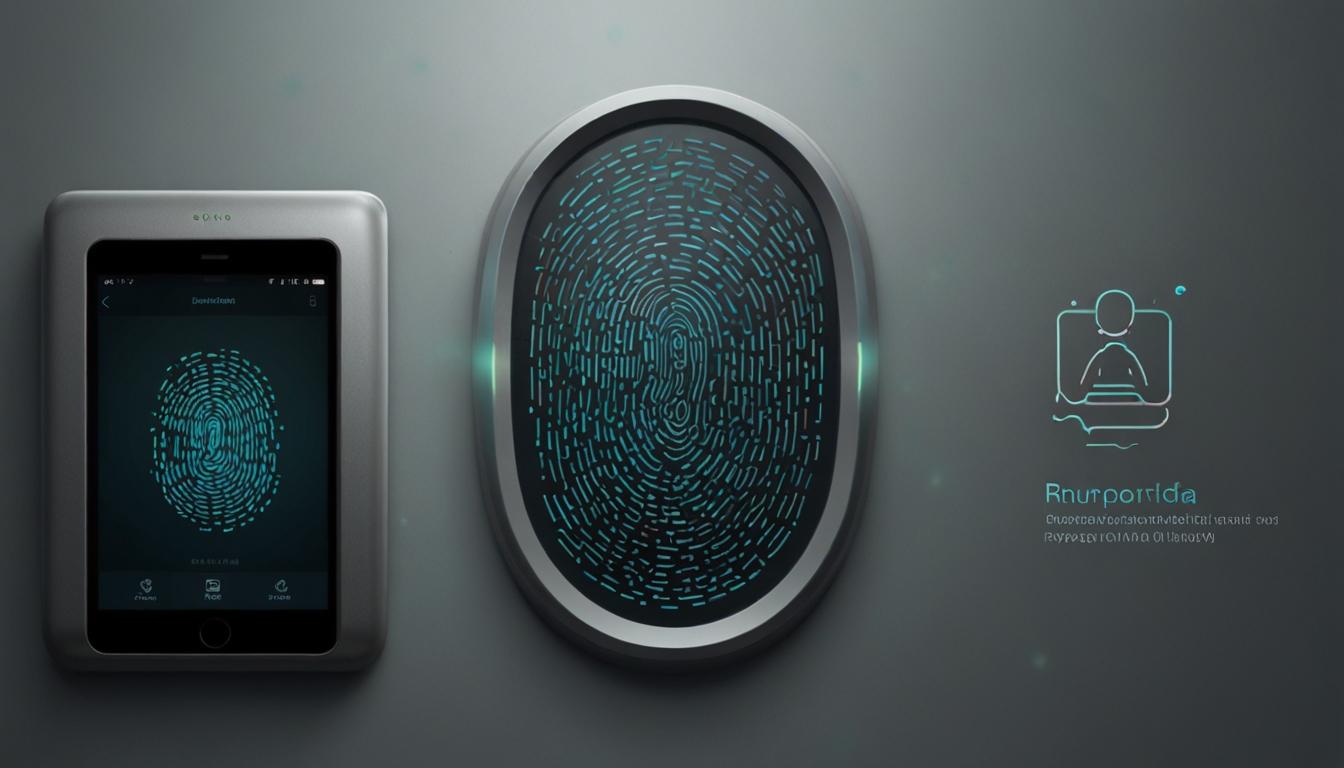
The Evolving Landscape of Cybersecurity: Rethinking Multifactor Authentication
In the ongoing battle against cyber threats, multifactor authentication (MFA) has long been heralded as a robust security measure. By requiring users to verify their identity through multiple methods—such as push notifications, SMS codes, or authenticator apps—MFA was seen as a solution to the weaknesses inherent in traditional passwords. However, as cybercriminals become increasingly sophisticated, experts are urging organisations to bolster their cybersecurity frameworks with more advanced methods.
Challenges of Current MFA Approaches
MFA gained prominence in the mid-1990s to early 2000s as businesses moved online. It was initially believed to sufficiently enhance security beyond what passwords alone could offer. The reality, however, is that hackers have consistently devised new strategies to bypass MFA protections, demonstrating the fragility of systems once thought secure.
Experts such as Frank Dickson, a group VP for security and trust at IDC, highlight that traditional MFA methods, including SMS and push notifications, are vulnerable to a variety of exploits. Methods like social engineering have been particularly effective against such systems. Attackers harness personal information shared via social media and other platforms to conduct personalised phishing attacks. These schemes may use AI tools to mimic legitimate interactions, tricking users into divulging critical details or taking actions that compromise security.
Man-in-the-middle attacks introduce another layer of complexity. By intercepting authentication codes during transmission, hackers can gain access without the user's direct involvement. Additionally, tactics like "MFA fatigue," where users are bombarded with approval requests until they unwittingly comply, pose significant risks.
The Shift Toward Passwordless Systems
In response to the shortcomings of MFA, many enterprises are shifting towards passwordless authentication solutions. These include biometric verification, passkeys, and device-based authentication. Derek Hanson, VP of standards and alliances at Yubico, explains that these methods use cryptographic security keys stored on devices to authenticate users, often involving biometric checks like fingerprint or facial recognition, and thereby reducing the likelihood of credential theft.
Anders Aberg, director of passwordless at Bitwarden, elaborates that security can be further enhanced by incorporating device fingerprinting or geolocation. These techniques adjust authentication requirements based on a user's behaviour or location, aiding in creating a seamless yet secure user experience.
Despite their advantages, passwordless approaches are not immune to exploitation. Deepfakes can potentially undermine biometric systems, and once compromised, biometrics cannot be altered with the same ease as passwords, warns Lou Steinberg, founder of CTM Insights.
Employing Advanced Analytics and Fail-Safe Measures
The integration of advanced analytics tools plays a pivotal role in identifying threats that bypass current security protocols. Matt Caulfield, VP of product for identity security at Cisco, notes that many organisations are gathering extensive user data—such as login times and device usage—but are not effectively utilising this data to enhance security measures. Properly analysed, this telemetry data could provide crucial insights into anomalous activities, acting as a failsafe.
Additionally, Ameesh Divatia, co-founder of data privacy firm Baffle, advocates for the cryptographic protection of personal data as a last line of defence. Techniques like encryption, tokenization, or masking ensure that even if data breaches occur, the compromised data remains unusable to attackers.
Continuing Role of MFA
Despite its vulnerabilities, MFA remains a fundamental component of cybersecurity protocols. As Dickson notes, even weak MFA offers better protection than having none at all. MFA's evolving definition now incorporates not just the number of factors, but the quality of each factor employed—be it password complexity, authenticity checks via biometrics, or the secure use of hardware tokens.
Current conversations around MFA highlight the necessity of a layered security approach that combines multiple, sophisticated authentication methods. While the security landscape continues to evolve, MFA, albeit improved and nuanced, remains an indispensable part of securing digital identities. The challenge now lies in ensuring that these systems are optimised to withstand the ever-evolving tactics of cyber adversaries.
Source: Noah Wire Services