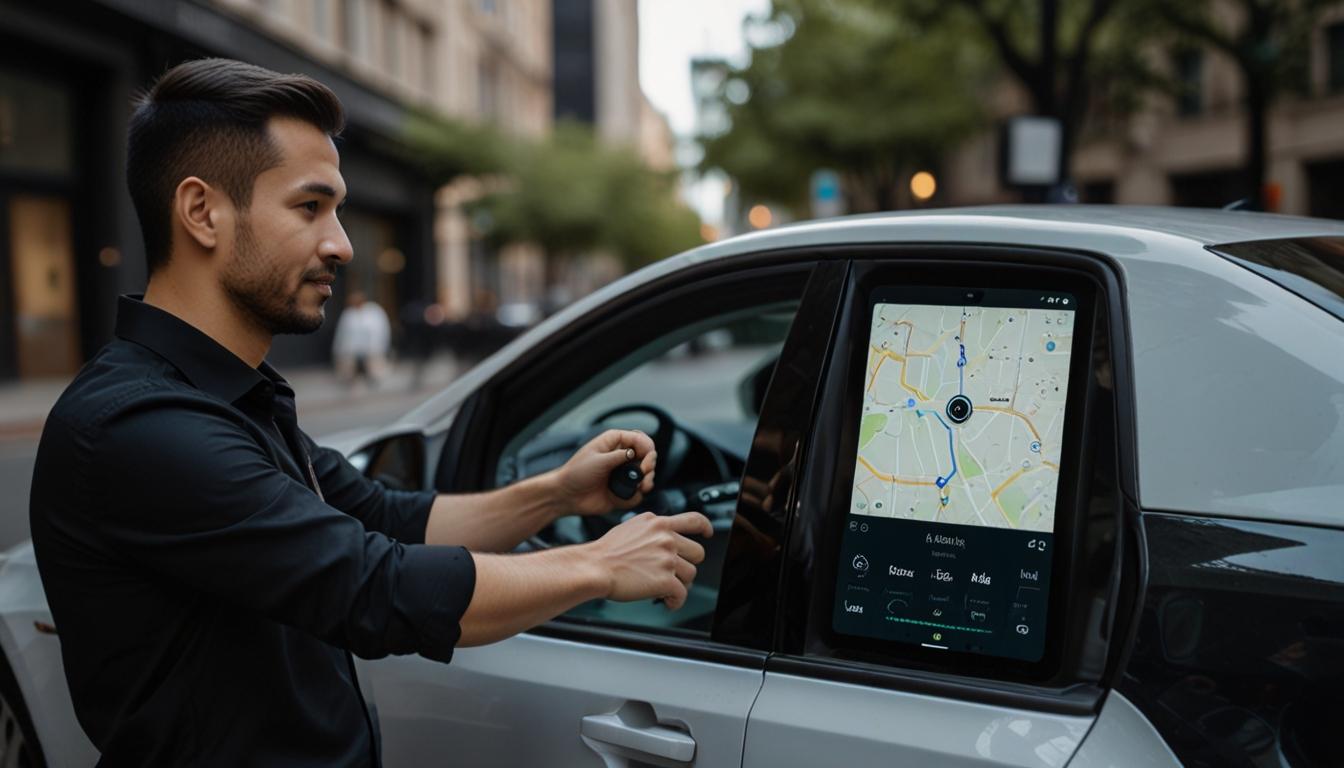
Uber has announced a significant step forward in its commitment to green initiatives with the introduction of an AI-powered solution designed to aid its drivers in transitioning to electric vehicles (EVs). The announcement was made at the Go Get Zero sustainability conference held in London, where Uber unveiled its collaboration with OpenAI, leveraging the capabilities of the ChatGPT framework to create an AI assistant specifically tailored for their drivers.
This AI assistant, built on OpenAI's GPT-4o model, is set to function as a comprehensive guide for Uber drivers navigating the complex process of transitioning from traditional fuel-powered vehicles to EVs. One of the core objectives of this AI-driven program is to alleviate the challenges associated with this transition. The assistant will provide detailed information on a variety of related topics, including the intricacies of buying an electric vehicle, maintaining its battery, and understanding operational differences from conventional automobiles.
A standout feature of this new tool is its adaptability based on geographic location. Recognising that incentives and infrastructure for EVs can vary significantly by region, the AI is programmed to tailor its guidance according to local policies and resources. For instance, drivers in California might receive information about state-specific rebates and tax credits, whereas those in New York could access data about discounts available at nearby charging stations. This geographic specificity ensures that drivers receive relevant and practical advice applicable to their particular circumstances.
In addition to its current focus, Uber has plans to expand the AI’s capabilities. By 2025, the company intends to broaden the range of inquiries the AI can address, thereby enhancing its functionality across different contexts and making it a more versatile tool for drivers.
This initiative is part of Uber's broader strategy to promote EV adoption among its driver community and aligns with other recent innovations such as enabling passengers to request EV rides specifically. Uber also aims to facilitate connections between EV-experienced drivers and those considering the switch, providing a network for sharing insights and experiences that might not be covered by the AI assistant.
For OpenAI, this collaboration represents another milestone in its penetration into the automotive sector. The use of AI models like ChatGPT in vehicular settings is becoming increasingly prevalent, with Volkswagen having recently integrated similar AI systems into their cars, thus improving driver-assistant interactions with more conversational capabilities. This expansion highlights OpenAI's growing influence in shaping how AI assistants are integrated into vehicle technologies, potentially revolutionising how drivers interact with their cars.
Both Uber and OpenAI continue to explore and innovate in their respective fields, paving the way for a future where AI plays an integral role in the everyday experiences of drivers, particularly as the world gradually shifts towards more sustainable modes of transportation.
Source: Noah Wire Services