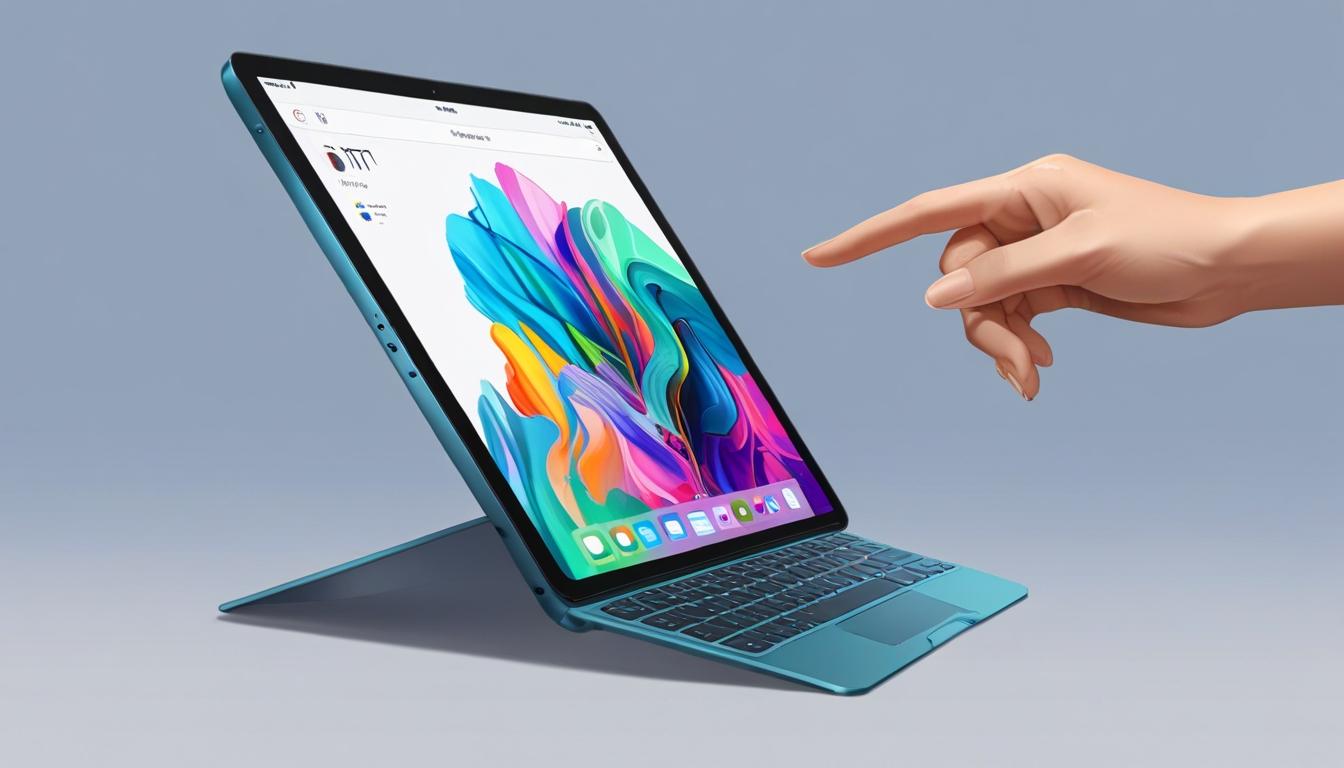
Apple has quietly launched the seventh-generation iPad mini, marking its first significant update since 2021. The new model, powered by the A17 Pro chip, integrates Apple Intelligence, the company's advanced generative AI technology. This upgrade promises a 30% increase in CPU speed and a 25% boost in GPU performance compared to its predecessor, enhancing the tablet's capabilities in various applications from gaming to productivity.
The A17 Pro chip, initially introduced in the iPhone 15 Pro series, includes a six-core CPU with two performance and four efficiency cores, alongside a five-core GPU. The neural engine's enhancement facilitates the incorporation of Apple Intelligence features, providing users with advanced writing tools, improved task automation, and enhanced image generation capabilities. Although its full suite of features won't be available immediately, users in the U.S. can anticipate a software update later this month with iPadOS 18.1 delivering the new capabilities.
Maintaining its compact 8.3-inch design, the iPad mini now supports Apple Pencil Pro, offering pressure sensitivity, haptic feedback, and gesture controls—features particularly appealing to digital artists and note-takers. Improved connectivity options include Wi-Fi 6E and 5G support, ensuring faster data transfer and more reliable wireless connections.
Apple's latest iPad mini comes in four colours—blue, purple, starlight, and space grey—and offers three storage options: 128GB, 256GB, and 512GB. Prices start at $499 for the base model with Wi-Fi and escalate to $649 for the Wi-Fi + Cellular version. Pre-orders are already open, with availability slated for October 23.
The announcement suggested parallels with Apple's strategy concerning their MacBook Pro, Mac mini, and iMac lineups, which are also experiencing stock reductions, hinting at forthcoming hardware updates, potentially incorporating the anticipated M4 chip.
While the iPad mini's design remains largely unchanged from its 2021 avatar, it now boasts an improved 12MP camera with Smart HDR 4 and maintains its renowned Liquid Retina display supported by stereo speakers with Dolby Atmos. Despite the unchanged façade, the internal upgrades position the new iPad mini to offer significantly more in terms of performance and AI integration.
This release is seen as Apple's move to align the iPad mini with its broader push towards AI-driven devices, following similar updates across its iPhone and iPad Pro lineups. The growing emphasis on artificial intelligence tools across its devices underscores the tech giant's strategy to enhance user experience through smarter, faster technology built into its ecosystem.
As this new iPad mini reaches consumers, it remains to be seen how it will be received among users who value compactness and power. With these enhancements, Apple continues to cater to a niche but dedicated segment of the tablet market, offering robust capabilities in a small package.
Source: Noah Wire Services