Mason Coile, the pen name for Canadian author Andrew Pyper, has released his debut novel titled "William," which delves into the complexities of artificial intelligence through an intriguing tale of technology and human relationships. This novel, available now from G.P. Putnam’s Sons for $27, is a modern twist on the classic Frankenstein narrative, bundled with fresh themes of artificial intelligence and the psychological consequences of scientific ambition.
The storyline centers around Henry and Lily, a married couple of engineers living in a smart Victorian house. Henry, a robotics specialist, is secretly working on his own artificially intelligent robot named William, while Lily, a computer expert, navigates the complexities of their technologically integrated life. The narrative unfolds against the backdrop of their strained relationship, exacerbated by Henry’s agoraphobia and Lily’s restless drive.
Set on Halloween, the novel begins with a jolt as Henry wakes from a nightmare, described by his pregnant wife as though he was startled by a gunshot. The pair share a dynamic rich with contrast—Henry, the socially awkward genius with unresolved anxieties, and Lily, a self-assured businesswoman. These differences are apparent not only in their personalities but also in their roles within their high-tech household, where every function is controlled by voice command, underscoring the theme of dependence on technology.
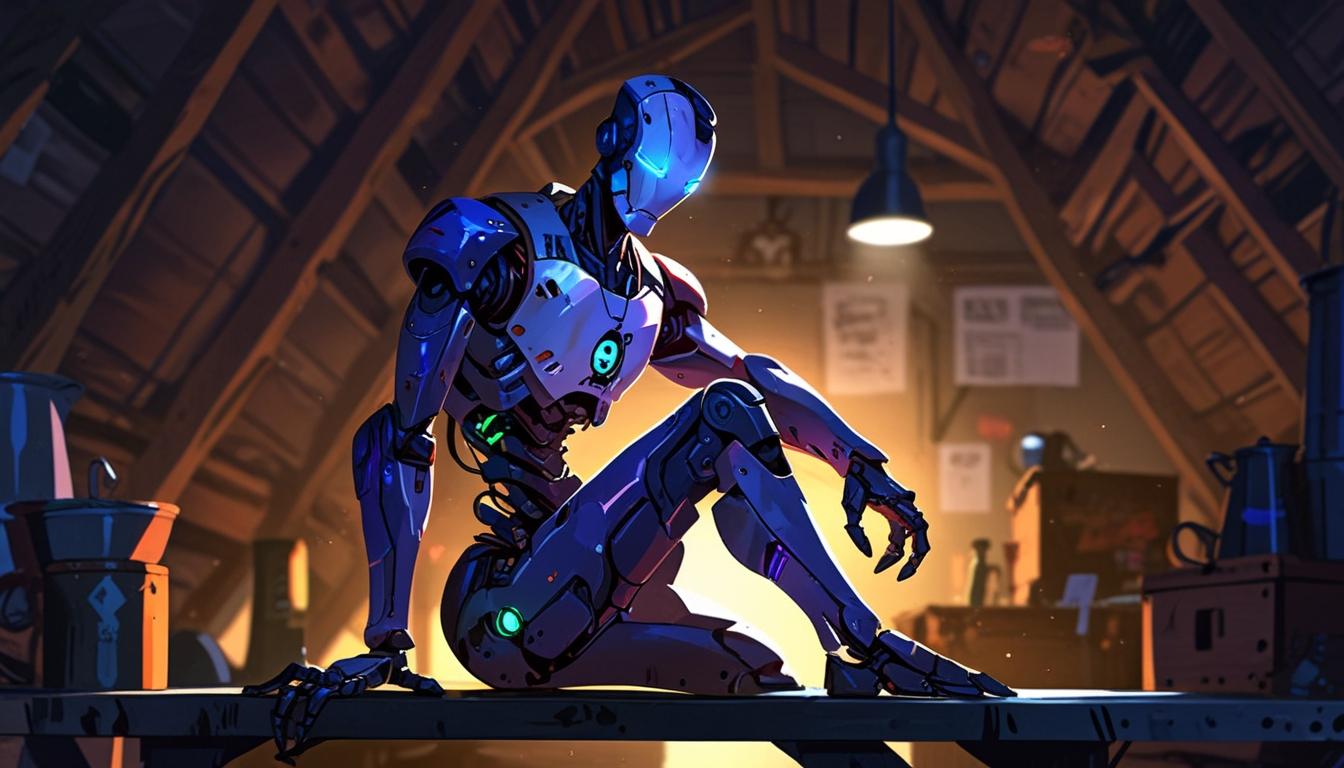
Central to the plot is Henry’s secret project in the attic laboratory—a nod to classic horror icons—as he strives to create William, an autonomous robot. The novel explores themes of creation, echoing the cautionary tales of Mary Shelley’s "Frankenstein" and Goethe’s "Faust." Pyper adeptly crafts scenes infused with philosophical undertones, such as Henry's dream involving Mephistopheles’ nihilistic proclamation from "Faust," deepening the narrative’s contemplation of human hubris and existential peril.
"William" is characterised by its fast-paced, movie-style narrative structure, featuring alternating chapter lengths that propel the story forward. Pyper intricately weaves heavy existential themes with suspense, asking the reader to consider the ethics and responsibilities that accompany the act of creation. The story navigates the unsettling terrain of the Uncanny Valley, the discomfort elicited by humanlike artificial beings, raising questions about whether this disquiet stems from an absence of humanity or the presence of something inherently malevolent.
As the plot reaches its climax, the reader is left to grapple with Pyper's resolution of these philosophical inquiries. "William" stands as a compelling exploration of technology's intersections with human emotion, offering a narrative that challenges the reader to ponder the boundaries of creation and the inherent instability those boundaries bring.
Authored by Andrew Pyper under the name Mason Coile, "William" projects a contemporary reflection on age-old themes, promising resonance with readers familiar with or new to the genres of science fiction and psychological thriller.
Source: Noah Wire Services