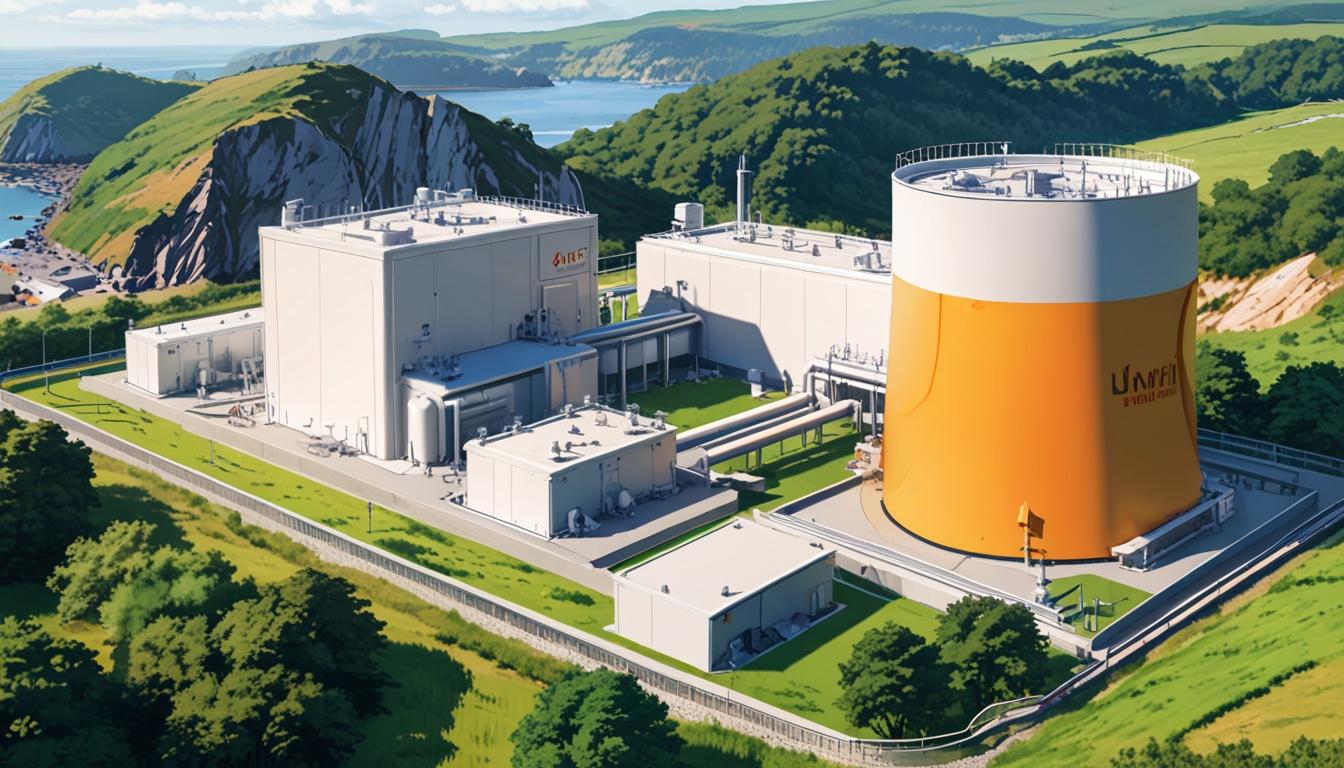
US-based energy start-up Last Energy has unveiled plans for a groundbreaking £300 million investment to establish four micro-modular nuclear power plants in South Wales. Specifically, these facilities are set to be developed on the historic site of the former coal-powered Lynfi Power Station in Bridgend, which ceased operations in 1977. This significant initiative is subject to the Welsh Government’s assessment as a project of national significance and awaits necessary planning and licensing approvals.
The initiative is designed to offer a substantial boost to the region's energy infrastructure, potentially powering the equivalent of 244,000 homes annually. The first plant is expected to be operational by 2027, provided all approvals are secured. These units, known as PWR-20, utilise modular technology that allows them to be constructed swiftly, requiring only the space of a third of a football pitch. Assembly of these modules, designed to slot together like a Lego set, can be completed in less than 24 months.
Importantly, Last Energy has committed to leveraging the local supply chain, with plans to source at least 10% of its requirements from South Wales, thereby generating an estimated £30 million economic impact and creating around 100 jobs in the area. All of the project's funding will be sourced privately, with no public sector financial support being sought.
The energy from these plants will primarily serve local businesses through a private energy distribution network, which is especially beneficial for high-energy consuming industries. A minor portion of the energy generated will potentially be supplied to virtual customers via the National Grid.
Last Energy has conducted preliminary engagements with Bridgend County Council and the Welsh Government, leading to the launch of a public consultation on the project. The Lynfi site is strategically advantageous due to its proximity to an operational substation, maintained since the original power station's closure.
The proposed micro-modular nuclear plants boast a design life of 42 years, with options for life extension. For the decommissioning process, Last Energy has outlined a comprehensive plan to handle nuclear waste, which involves containment, storage, and transportation to a UK designated facility. This process will be financially supported by a decommissioning fund maintained by the company throughout the plants' operational lifespan.
The project aligns with broader UK government aims to rejuvenate the nuclear sector, a crucial component in the national strategy for decarbonisation and energy security. The announcement coincides with the UK Government's recent International Investment Summit, which highlighted a series of investments across various sectors, including infrastructure, technology, and clean energy.
UK Government Minister for Energy Security and Net Zero, Lord Hunt, expressed optimism about the project, noting the potential for nuclear technology to revitalise communities and offer low-carbon solutions for energy-intensive industries. Similarly, Tom Greatrex, Chief Executive of the Nuclear Industry Association, endorsed the project as a pivotal step towards achieving deep decarbonisation goals.
Alongside this initiative, significant investments were disclosed during the International Investment Summit, with companies like Macquarie Group committing substantial funds for UK infrastructure projects, indicating sustained international confidence in the UK's economic landscape.
In conclusion, Last Energy's ambitious project not only promises to contribute significantly to local energy needs but also reflects an innovative approach towards reviving industrial sites and supporting economic growth through advanced nuclear technology.
Source: Noah Wire Services