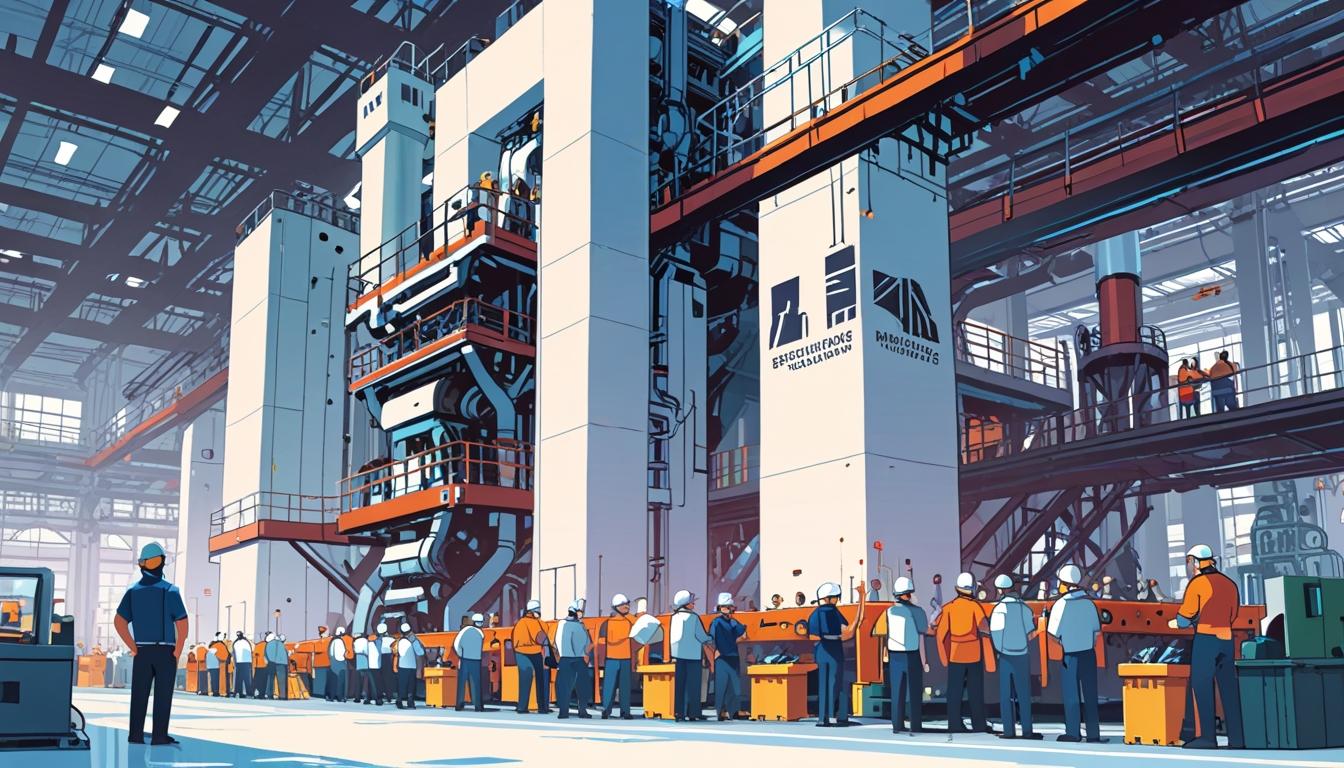
In recent years, a significant shift has taken place in the manufacturing sector, signalling a move away from offshoring in favour of reshoring. This transition has been gaining momentum as businesses increasingly recognise the benefits of bringing manufacturing operations back home. This growing trend is attributed to several factors, including the rising costs of overseas labour and the massive disruptions caused by the COVID-19 pandemic, which have compelled companies to reconsider their supply chain strategies.
According to recent reports, nearly 69% of US manufacturers have successfully reshored their operations, taking advantage of the stability and potential growth the strategy offers. Moreover, data indicates that over three-quarters of the North American automotive industry plans to enhance their reshoring efforts by 2025. The industry is witnessing an increasing realisation that 'there’s no place like home', with firms finding that the long-term advantages of reshoring align more closely with their business goals.
Several key reasons underpin this trend. Firstly, offshoring, once viewed as a cost-cutting measure, is proving to be more expensive than initially anticipated. The hidden costs related to taxes, tariffs, and transportation, coupled with difficulties in maintaining quality control, are eroding the perceived financial benefits. Furthermore, offshoring can negatively impact local economies by draining skill sets and stalling job market growth. In contrast, reshoring fosters economic stability and job creation within home countries, thereby ensuring long-term success.
The outbreak of the COVID-19 pandemic has laid bare the vulnerabilities of global supply chains. Past events, such as the 2011 earthquake in Japan and the 2004 tsunami in Indonesia, have also highlighted these vulnerabilities. These disruptions have urged manufacturing executives to prioritise the resilience of their supply chains. Industries, like the Italian ceramics sector, have implemented reshoring and nearshoring strategies successfully, emerging stronger post-pandemic.
Reshoring also supports sustainability goals, contributing to a more environmentally friendly supply chain. As demonstrated by the Italian ceramics industry, companies can reduce their environmental impact and achieve sustainability goals by prioritising local production and collaboration across their supply chains. This strategy resonates with consumers who increasingly value environmentally conscious business practices.
Furthermore, national security concerns have prompted countries, including the United States and the European Union, to advocate for reshoring strategies in a bid to secure supply chains. Countries have learnt that strategic resources, such as semiconductor integrated circuits, are critical, prompting both governmental and corporate shifts toward localising production where possible.
The role of Artificial Intelligence (AI) in facilitating reshoring cannot be overstated. AI tools provide essential data forecasting and risk analysis that empower companies to navigate the complexities of reshoring effectively. They assist in optimising supply chains, ensuring regulatory compliance, and achieving sustainability objectives. By leveraging AI, companies can better anticipate and respond to changing market conditions, making reshoring a more viable option for the future.
In conclusion, the reshoring movement is gaining traction as industries strive for more secure, sustainable, and financially viable operations. The combined effects of economic, environmental, and geopolitical factors are reshaping how companies view their manufacturing strategies, with AI playing a pivotal role in this transformative process. As businesses continue to adapt, the landscape of manufacturing is set to undergo significant and possibly lasting changes.
Source: Noah Wire Services