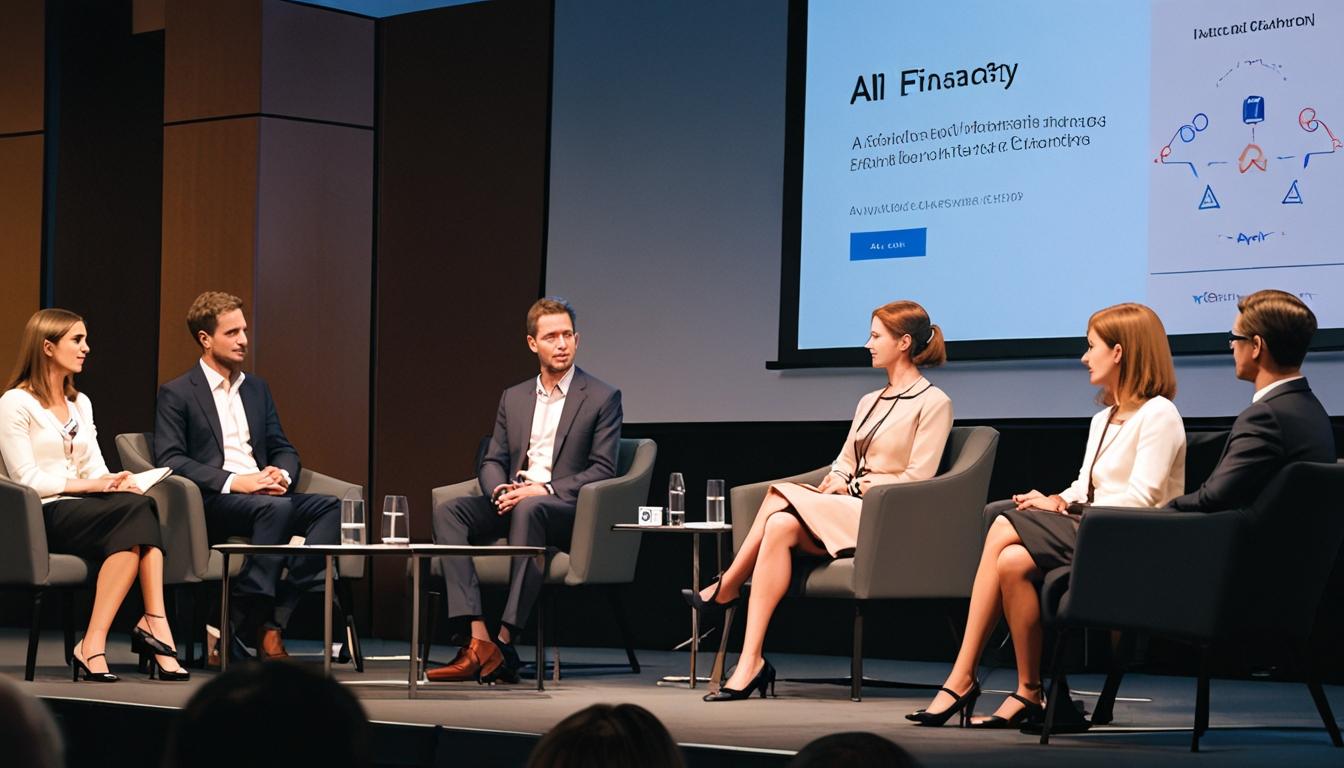
The ADVISE AI conference in Las Vegas, organised by Financial Planning, recently addressed the potential benefits and complexities for financial advisors as they integrate artificial intelligence (AI) into their operations. While AI offers significant promise in reducing costs and saving time, advisors expressed hesitation in implementation due to perceived challenges with infrastructure and strategy.
Research conducted by Financial Planning revealed that while the majority of advisors recognise the importance of AI, only a fraction view it as a priority within their firms. About 25% of advisors reported feeling pressured to adopt AI to maintain competitive advantages in areas like client acquisition and market predictions. Despite these pressures, enthusiasm for AI adoption remains limited, with only 6% of firms describing themselves as early adopters and less than 10% feeling well-prepared for its integration.
At the conference, several panels discussed how AI can streamline operations and boost productivity in financial services. Shell Black, president and founder of ShellBlack, moderated a discussion featuring notable figures such as Michelle Feinstein from Salesforce, Amanda Lott of JPMorgan Private Bank, and Samuel Deane from Deane Wealth Management. Another panel led by Craig Iskowitz of Ezra Group featured industry leaders from Microsoft, Integrated Partners, and Zeplyn.ai, exploring the implementation and impact of AI in financial infrastructures.
The discussions highlighted several key areas where AI could be effectively utilised, focusing primarily on 'employee-facing' applications, considered safer for initial implementations. These include automating meeting summaries, enhancing financial planning, streamlining procedure training, and improving compliance and recordkeeping. Advisors, particularly those at smaller firms, can greatly benefit by concentrating their AI efforts on a single application, according to Samuel Deane, who noted substantial impacts of AI in saving time and money at his firm.
For firms like Integrated Partners, identifying specific operational bottlenecks such as the account-opening process has been crucial. Through AI tools developed for these purposes, firms have significantly reduced workload and enhanced personalisation in client interactions. Similarly, Cambridge has reported considerable efficiencies, saving approximately 40,000 hours through AI-powered meeting tools Zocks and Jump, illustrating the tangible benefits of strategic AI deployment.
JPMorgan's approach involves engaging employees in discussing AI potentials through "AI dates", fostering innovation and insight from those familiar with everyday challenges. By doing so, the firm has empowered employees to experiment with large language models, contributing to a data-driven, innovative culture.
Despite the allure of AI, data challenges remain a significant hurdle, with many firms struggling to manage unstructured data across legacy systems. Ensuring data quality and security is pivotal, as emphasised by panellists, who argued for clear incentives to maintain data integrity, which is essential for effective AI utilisation.
The conference concluded with advice on navigating the fast-paced AI landscape: be intentional and strategic about AI investments. Participants suggested assessing existing technology for AI features before seeking new solutions, a sentiment echoed by Iskowitz and Amy Young from Microsoft. Caution was advised against prematurely adopting AI without a clear problem-solving intent, as highlighted by Nick Graham of Cambridge. At the same time, a gradual and thoughtful approach was recommended, with a focus on learning through application.
The event in Las Vegas underscored that while AI presents robust opportunities, it requires careful planning and implementation to truly enhance productivity and maintain a competitive edge in the financial services sector.
Source: Noah Wire Services