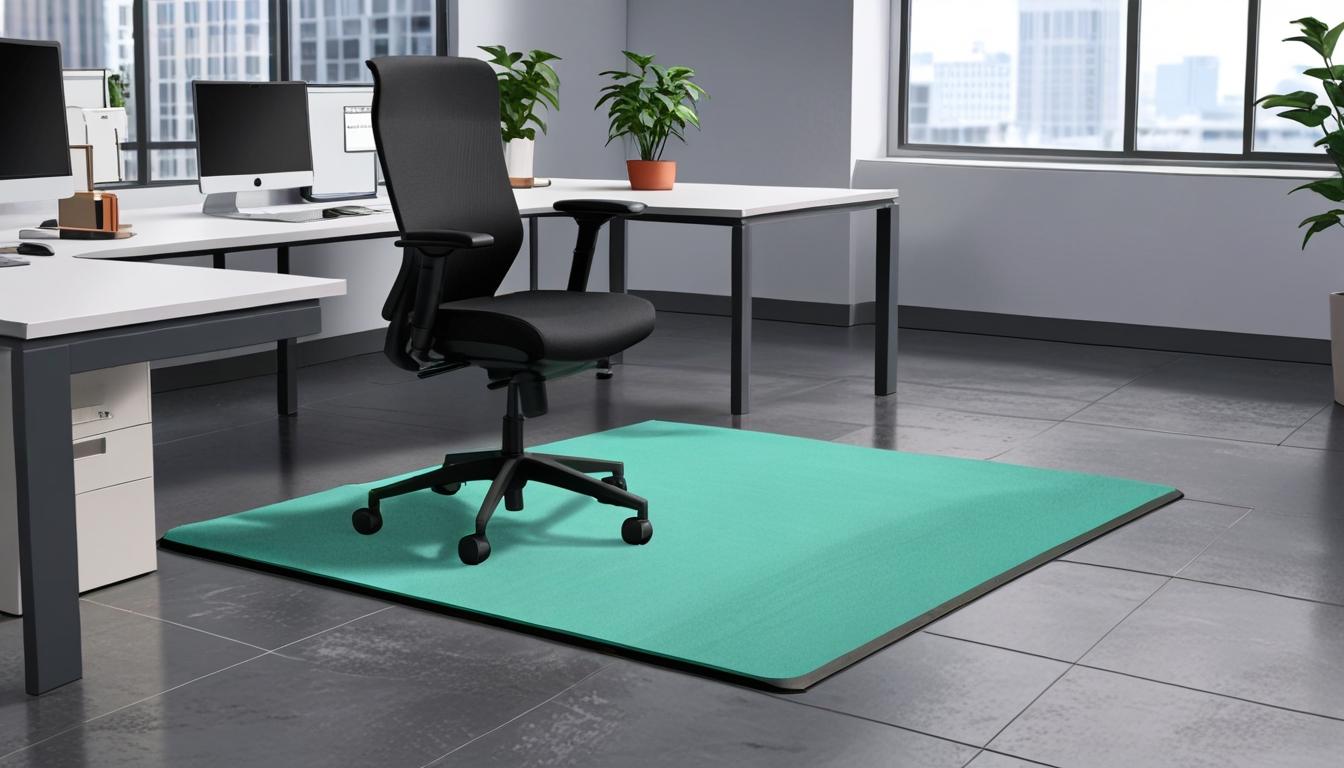
The global anti-fatigue mat market is poised for significant growth, with projections indicating an increase of USD 681 million from 2024 to 2028. This expansion is driven by several factors, including the rising demand for eco-friendly products and the evolving needs of modern workplaces. According to recent data from research firm Technavio, the market is set to grow at a compound annual growth rate (CAGR) of over 4.83% throughout the forecast period.
Anti-fatigue mats are increasingly essential in various sectors due to their ability to reduce the risks associated with prolonged standing. These mats are designed to alleviate muscle fatigue, joint pain, and strain that workers experience, thereby promoting overall workplace health and productivity. They find usage across a wide array of settings including offices, warehouses, retail spaces, and in industrial environments.
One of the key drivers of the market's growth is the trend towards eco-conscious consumerism. With a growing global emphasis on sustainability and environmental responsibility, there is an accelerated demand for mats crafted from recycled materials. Manufacturers such as Mountville Mills and Apache Mills are responding by creating eco-friendly options using recycled rubber and polypropylene materials. Products like SOFT ROCK by Wearwell and HogHeaven 7/8 Bordered are among the popular choices that reflect these environmental preferences.
The escalating trend of flexible work environments, including hybrid and home office models, is also catalysing market demand. As telecommuting and shared workspaces increase, so does the need for ergonomic solutions that ensure comfort and safety for workers standing for long durations. This includes a range of floor coverings from foam to gel-based mats, designed to provide optimum shock absorption and support.
Despite the promising market indicators, challenges persist. The competition from unorganised sectors, particularly local and regional players, is significant. These vendors often engage in price undercutting, impacting profit margins of prominent global companies. Additionally, in developing regions such as parts of Asia-Pacific and the Middle East, there is a lack of awareness regarding the benefits of anti-fatigue mats, compounded by a preference for less expensive, often counterfeit options.
The industrial applications segment remains a significant contributor to market growth, driven by regulatory demands for safer work environments that necessitate the use of supportive materials like anti-fatigue mats to combat musculoskeletal disorders.
North America currently holds the largest market share, contributing 55% to the global market, with substantial activity also noted in regions such as Europe, Asia-Pacific, South America, and the Middle East and Africa.
Key players in this fragmented market landscape include 3M Co., AliMed Inc., American Floor Mats LLC, and Xiamen Sheep Anti Fatigue Mat Co. Ltd., among others. These firms are investing in innovation and expanding their portfolios to meet the diverse requirements of their customer bases and maintain competitive advantage.
Overall, the drive towards improving workplace conditions and prioritising employee health and safety, coupled with the trend for more environmentally friendly products, positions the global anti-fatigue mat market on a significant growth trajectory over the next several years.
Source: Noah Wire Services