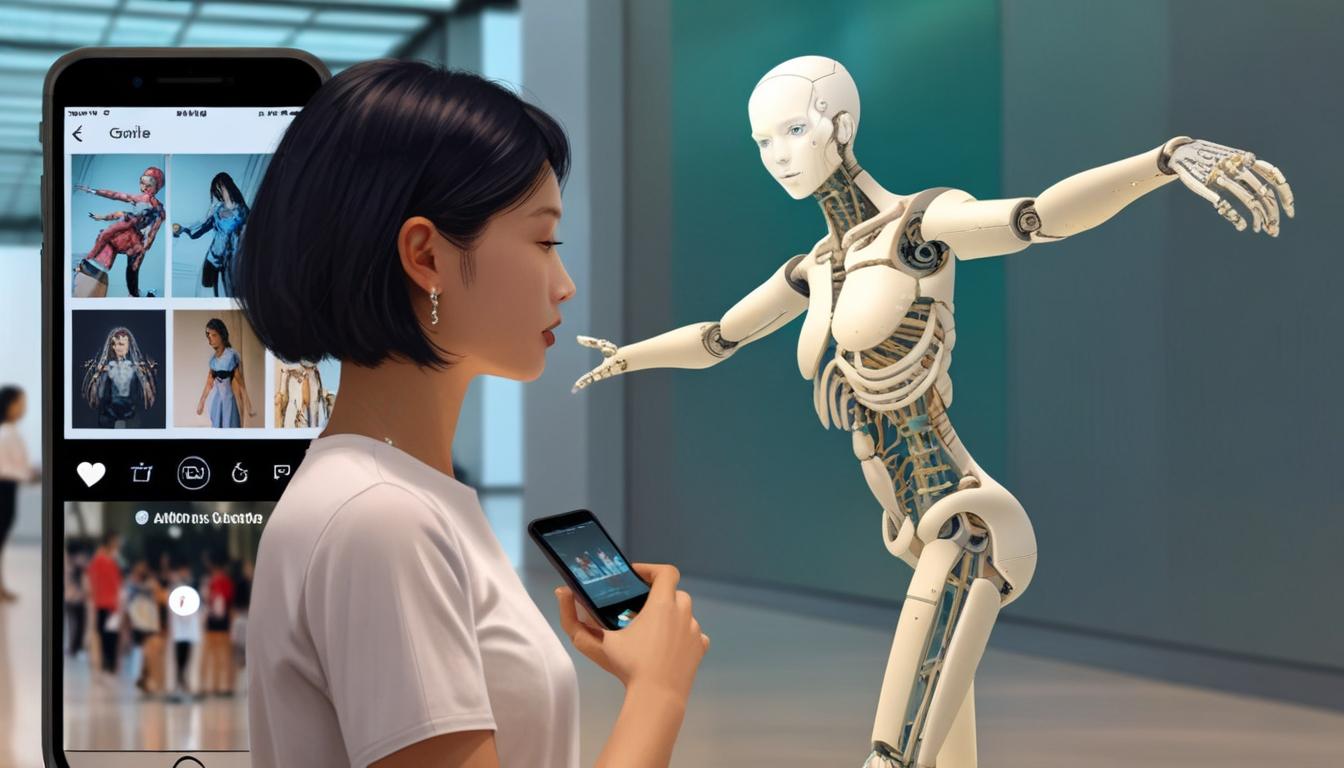
The National Gallery of Singapore (NGS) is set to introduce an innovative addition to its visitor experience: a generative artificial intelligence (AI) guide known as Gaile. This venture marks an exciting chapter for the museum, which is embracing AI not just for its technological prowess but as a means to enhance visitor engagement and interaction. The initiative was announced at the Digital Marketing Asia conference, where Chris Lee, assistant CEO of museum experience and services, outlined the project's goals and its focus on adding value for visitors, artists, and staff.
Gaile is part of a broader effort by NGS to integrate AI in a way that respects and uplifts artists, facilitated by collaborations with policymakers, artists, and designers, including the ASEAN Foundation. Lee emphasised the importance of ethical AI application that honours artistic contributions, aiming to keep artists involved in the creative processes and decision-making. This ethos extends to both living artists and estates representing those who have passed.
One of the flagship projects under this initiative involves collaborating with a celebrated 70-year-old Singaporean woman artist. By leveraging generative AI and holographic technology, NGS aims to create a compelling exhibit that preserves the artist's work and presence even after retirement. This project is developed in partnership with NCS, an innovation partner, and is scheduled for unveiling in July next year. It underscores the gallery's commitment to ensuring long-term interaction between visitors and artists, facilitated with the artist's active participation and consent.
Gaile, the AI guide, will be an interactive platform allowing visitors to engage with art and the museum in novel ways. Lee highlighted that the project is not so much about showcasing cutting-edge technology but rather about challenging the museum as a brand to be receptive to inquiries, including those that challenge the significance of art itself. The primary goals are visitor satisfaction and engagement, with success measured by repeat visits and the extent to which guests feel connected to the art and the experience.
The integration of AI in NGS did provoke considerable internal discourse, especially concerning how these technologies might align with traditional museological practices. A particular concern was ensuring that the experience remains inclusive to both new and long-standing visitors. Lee explained that this led to harnessing a hybrid large language model (LLM), which combines the gallery's archives with data available on the open web. This approach intends to mitigate potential inaccuracies by drawing primarily on NGS's curated, historical data for deeper explorations.
Beyond enhancing engagement for typical visitors, the AI-driven initiatives are also designed to be inclusive, with potential benefits for individuals with disabilities. Lee pointed out the possibilities for personalising content and translating between text, visuals, and audio formats, potentially making art and art history more accessible on a larger scale.
To date, NGS has explored similar digital initiatives, such as online courses aimed at demystifying art history. However, Lee indicated that future plans might include expanding these educational efforts into more interactive video and audio content, utilising AI capabilities to scale up these developments.
In sum, the National Gallery of Singapore is positioning itself at the forefront of a significant technological shift within the cultural sector. By integrating artificial intelligence in a manner that complements and enhances the appreciation of art, NGS is striving to foster deeper connections with its audience while respecting and preserving the creative essence of the artists involved.
Source: Noah Wire Services