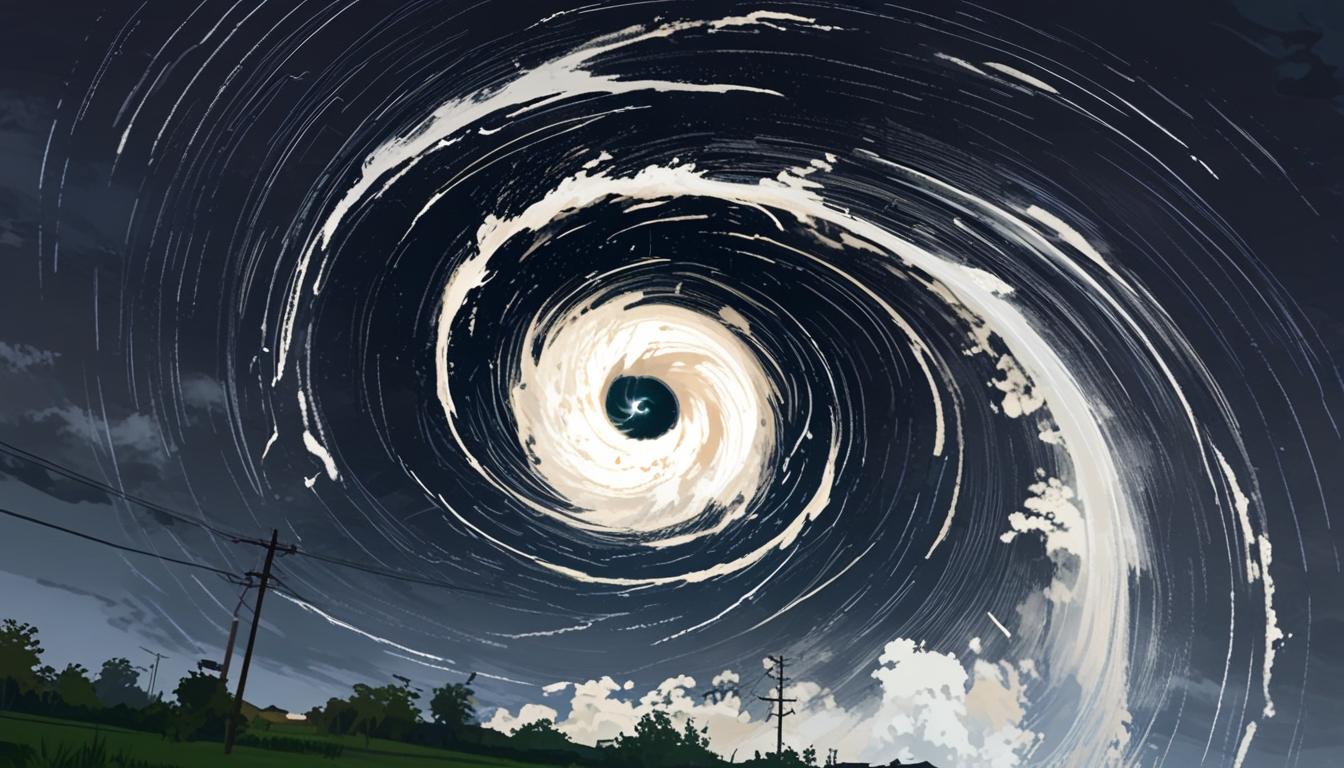
Wave of AI-Generated Images sows Confusion during US Hurricane Season
In the aftermath of Hurricanes Helene and Milton, which recently lashed the southern United States, an unexpected digital storm took to social media platforms. A series of compelling yet false images, created using artificial intelligence, circulated widely, leading to widespread confusion and misinterpretation among users.
As the storm clouds dispersed over the affected regions, which bore the brunt of real meteorological phenomena, a digital tumult of fabricated visuals emerged online. These images, designed with sophisticated AI tools, presented seemingly realistic portrayals of the hurricanes' impacts—ranging from exaggerated destruction to surreal weather conditions.
The proliferation of these AI-generated images came to light after many social media users shared them, accepting them as legitimate representations of the hurricanes' force. This led to significant misinformation around the true extent and nature of the damages caused. The situation highlights how advanced technology can blur the line between reality and fabrication, especially in the fast-paced environment of digital media.
Alex Clark, a producer with CBS News Confirmed, has stepped forward to enlighten the public on distinguishing these fake images from authentic ones. Clark explains that there are several telltale signs to watch for. Discrepancies in lighting, unrealistic proportions, and uncharacteristic weather phenomena in the scenes depicted can often be giveaways of artificially generated content.
Assessing the credibility of the source is critical. Images from verified news outlets and trusted photographers usually have a track record of accuracy. In contrast, unknown or unverified accounts posting sensational images should be viewed with a degree of scepticism until confirmation is obtained from reliable authorities.
Furthermore, Clark points to the increasing availability of digital tools designed to detect AI-generated content. These tools, while not foolproof, can assist users in identifying visual forgery. The public is encouraged to leverage such resources to navigate the often murky waters of social media during crisis events.
This recent incident underscores the challenges faced by both media entities and the general public in an era where digital manipulation tools are readily accessible and increasingly sophisticated. As hurricanes continue to pose natural threats, the digital realm brings its own set of challenges in ensuring accurate information dissemination.
This development has sparked discussions within media circles regarding the need for enhanced media literacy campaigns and stronger digital verification methods to counter the potential threat posed by AI-generated misinformation during emergency situations. As technology evolves, so must society's ability to discern the truths from the multitude of imageries presented online.
Source: Noah Wire Services