Rutgers University-New Brunswick researchers, in collaboration with an international team, have made a significant breakthrough in identifying crucial gut microbes essential for maintaining human health. The novel method, detailed in a study published in the journal Cell, paves the way for advancements in precision nutrition and personalised therapies aimed at managing chronic diseases linked to gut microbiome imbalances, such as diabetes, inflammatory bowel disease, and certain cancer types.
These microbes, collectively referred to as the core microbiome, are indispensable for crucial functions including digestion, immune system defence, and mental health support. A disrupted core microbiome, known as dysbiosis, has been associated with chronic conditions like metabolic disorders, neurological diseases, chronic kidney ailments, and specific cancers. Previous research indicates that transferring healthy fecal microbiota to a diseased colon can mitigate these conditions, underscoring the core microbiome's importance to health.
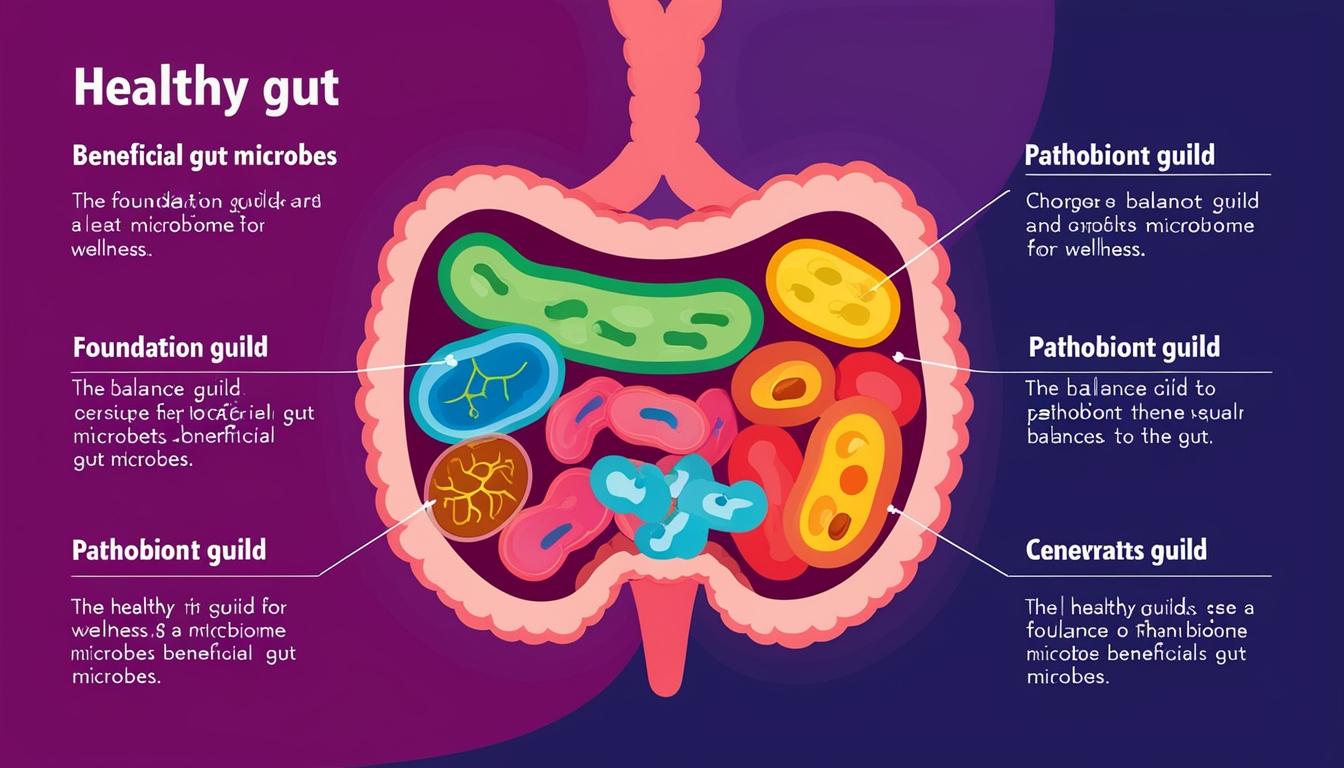
The study categorises the core microbiome into two distinct groups: the foundation guild and the pathobiont guild. While the foundation guild comprises beneficial bacteria that break down dietary fibres and produce short-chain fatty acids (SCFAs) crucial for gut health, the pathobiont guild, although necessary for immune regulation, can exacerbate disease when it prevails ecologically. The interplay between these two groups is believed to maintain gut health, with dysbiosis occurring when the balance favours the pathobiont guild.
Utilising high-quality genomes assembled from metagenomic sequencing datasets, researchers have dramatically enhanced microbiome analysis resolution. Unlike conventional methods that rely on commonly shared taxonomic units with limited distinction capabilities, this genome-based approach uses universal unique identifiers for tracking ecological behaviours, providing a clearer analysis even among previously unclassifiable bacterial strains.
Professor Liping Zhao from Rutgers, a leading figure in the study, emphasised the significance of focusing on resilient, interconnected bacteria to pinpoint microbes vital for health. “Our research identifies the bacteria in the gut that stay connected, no matter what challenges the body faces, such as dietary changes or illness,” Zhao stated.
This research introduces the "two competing guilds" model, which not only classifies cases from controls across diverse populations regardless of ethnicity, geography, or disease types but also predicts personalised immunotherapy responses for various diseases. The model, according to Zhao, establishes a new benchmark for core microbiome identification, necessitating that these microbes remain stably connected despite environmental changes.
By targeting fibre-degrading genes within the foundation guild, Zhao suggests that personalised dietary recommendations could support the ecological dominance of these key microbes. This could represent a novel pathway for restoring gut microbiome balance, potentially offering significant improvements in patient outcomes for conditions previously deemed irreversible.
The Rutgers team plans to conduct further trials to refine personalised therapies that ensure the ecological dominance of the foundation guild in individuals experiencing severe dysbiosis. By implementing the two competing guilds model in clinical settings, they aim to translate these findings into practical treatments, substantially improving patient outcomes in chronic disease management.
The study's publication in Cell marks a foundational step in gut microbiome research, promising new methodologies and therapeutic approaches to enhance human health through microbiome stability and management.
Source: Noah Wire Services