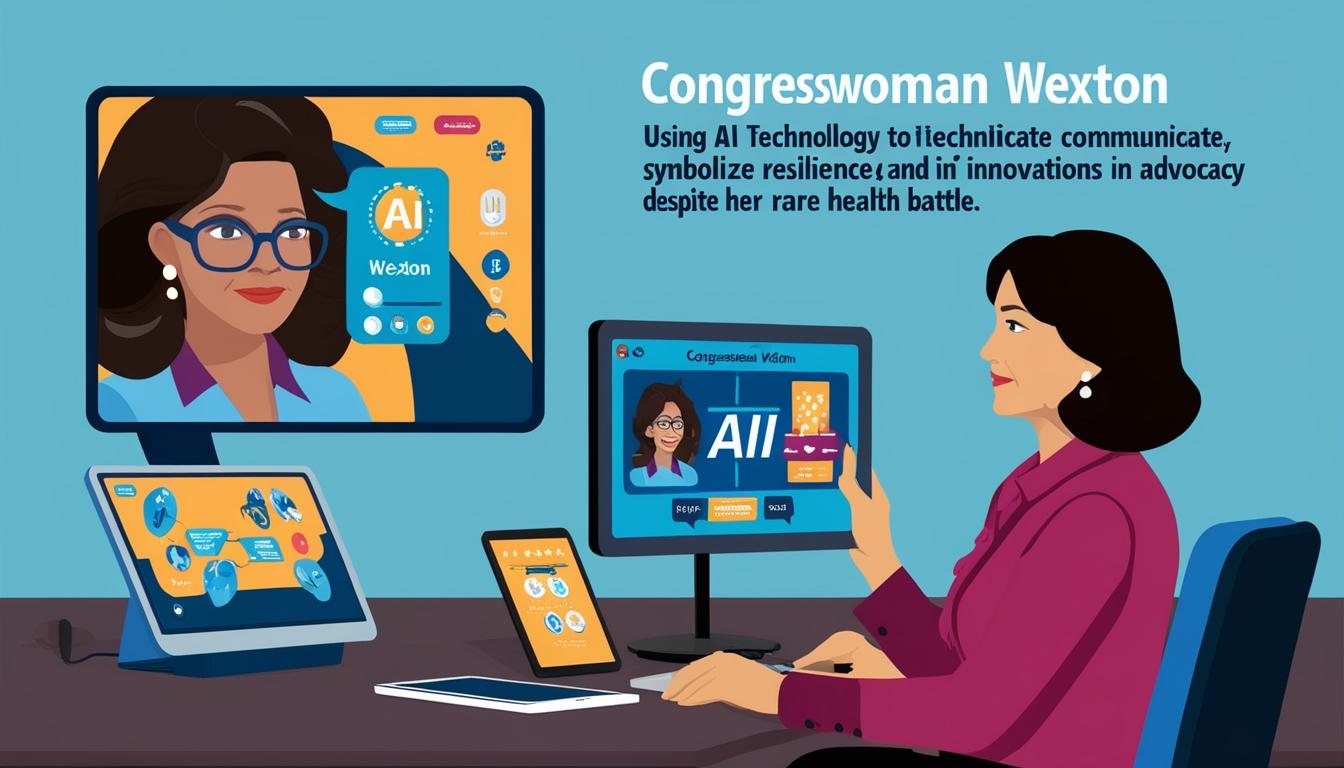
Congresswoman Jennifer Wexton Utilises AI Amid Rare Health Battle
Virginia Congresswoman Jennifer Wexton is navigating a significant personal and professional challenge following a diagnosis of progressive supranuclear palsy (PSP), a rare neurological disorder. Wexton, who has served her constituency with dedication, is preparing to retire at the end of this term as the disease has increasingly affected her physical capabilities, including her mobility, balance, and speech.
PSP is a condition that affects around 20,000 Americans, often leading to severe, progressive problems with walking, balance, vision, speech, and swallowing. There is currently no cure for the disorder, and it typically progresses rapidly, making everyday communication and activities challenging for those affected. Wexton’s diagnosis has been a significant turning point in her career, prompting her to explore innovative solutions to continue her advocacy in her remaining time in Congress.
In an inspiring adaptation to her circumstances, Wexton has turned to technology, specifically artificial intelligence, to aid her in continuing to communicate effectively. By employing AI, she ensures her voice remains influential in legislative discussions, despite the physical limitations imposed on her by PSP. Through AI tools, Wexton can articulate her thoughts and messages, maintaining her role in policy-making and advocacy.
Throughout her time in Congress, Wexton has been known for her commitment to issues such as healthcare, education, and digital privacy. Her new reliance on AI highlights a broader conversation about the role technology can play in assisting individuals with disabilities and the importance of ensuring that innovative tools are accessible for those who might benefit from them.
As she approaches the end of her term, Wexton’s utilisation of AI reflects her dedication to serving her constituents and advancing legislative initiatives. Her story underscores the potential for technology to support continued participation and influence in professional arenas, even in the face of challenging health conditions.
Despite her impending retirement, Wexton’s adaptation to her diagnosis through technology serves as an example of resilience and adaptability, underscoring her determination to leave a lasting impact on her legislative community. Her tenure in Congress is marked not only by her legislative contributions but also by her ability to find innovative solutions to overcome personal adversities. Her actions pave the way for future discussions on the integration of technology in aiding individuals with similar conditions, and her commitment to her office remains unwavering in her final months of service.
Source: Noah Wire Services