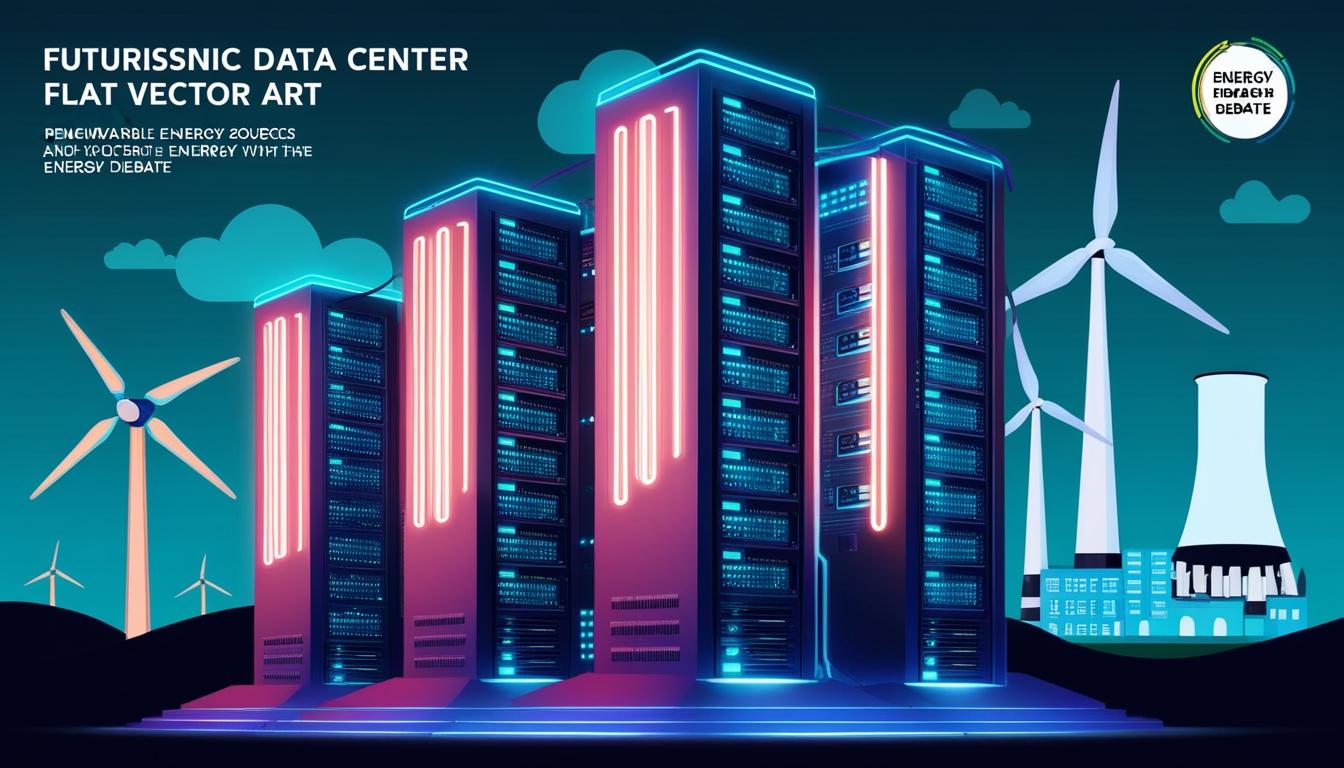
The electrification landscape in the United States is undergoing significant scrutiny as data centres are predicted to drive a substantial surge in electricity demand. This has prompted a contentious debate between American Electric Power (AEP), a major electric utility, and a coalition comprised of some of the world's largest tech companies regarding the allocation of financial risk tied to their expansion in Ohio.
The utility, AEP, proposed new rules to Ohio's Public Utilities Commission. These rules would mandate that data centre operators make long-term commitments to purchase electricity, along with steep penalties for rescinding these commitments. AEP argues such measures are necessary to prevent financial burdens from falling on other utility consumers should data centres reduce their power usage or close sooner than projected.
Data centres are becoming increasingly critical for operations involving artificial intelligence, cryptocurrency mining, and other tech-driven processes, necessitating a robust electricity supply. AEP forecasts that data centres in Ohio will require up to 5,000 megawatts of electricity by 2030, surpassing the annual peak demand of the Columbus metropolitan area.
This strategic move by AEP encounters opposition from a formidable coalition, including affiliates of Amazon, Google, Microsoft, and Meta. These companies, part of the Data Center Coalition, argue that AEP's proposal is discriminatory and financially burdensome, suggesting such demands threaten their viability and the broader economic benefits they bring to the state.
Despite reaching a tentative consensus among coalition members to reduce financial requirements, AEP has dismissed the agreement as a “Hail Mary counterproductive manoeuvre”, citing the lack of participation from other key parties such as consumer advocates and regulatory staff. Resolution remains pending with the Public Utilities Commission of Ohio, without a determined timeline.
The escalating power needs of data centres underscore a broader theme: the rapid escalation of electricity demand in the U.S., which is increasingly driven by technological advancements and artificial intelligence. According to ICF, a technology consulting firm, U.S. electricity consumption is expected to rise by an average of 9% annually until 2028, contributing to a projected 19% increase in utility electricity costs during the same period.
Simultaneously, renewable energy projects face developmental delays and connectivity challenges, while nuclear power is witnessing a resurgence as a cleaner, reliable alternative amidst growing energy demands. Noteworthy is the role of small modular nuclear reactors under exploration by tech giants such as Google and Oracle, who are seeking sustainable energy solutions to power their operations.
The renewed interest in nuclear energy is further evidenced by new developments in U.S. nuclear plants, such as the opening of additional reactors at Georgia’s Vogtle plant and a recent deal by Constellation Energy to potentially reopen a part of the Three Mile Island nuclear facility, supported by tech behemoth Microsoft.
With data centres forecast to constitute up to 14% of U.S. power demand by 2030, the debate around energy provision becomes increasingly complex. This growth presents both a challenge and an opportunity to manage transition objectives, particularly efforts to reduce carbon emissions and embrace cleaner energy sources effectively.
As technological advancements propel electricity demands, states continue to reassess their stances on nuclear energy, recognising its potential in meeting future power requirements. The developments reflect a pivotal moment in the ongoing energy discourse in the U.S., positioning data centres as a critical component in strategies for clean energy transition.
Source: Noah Wire Services