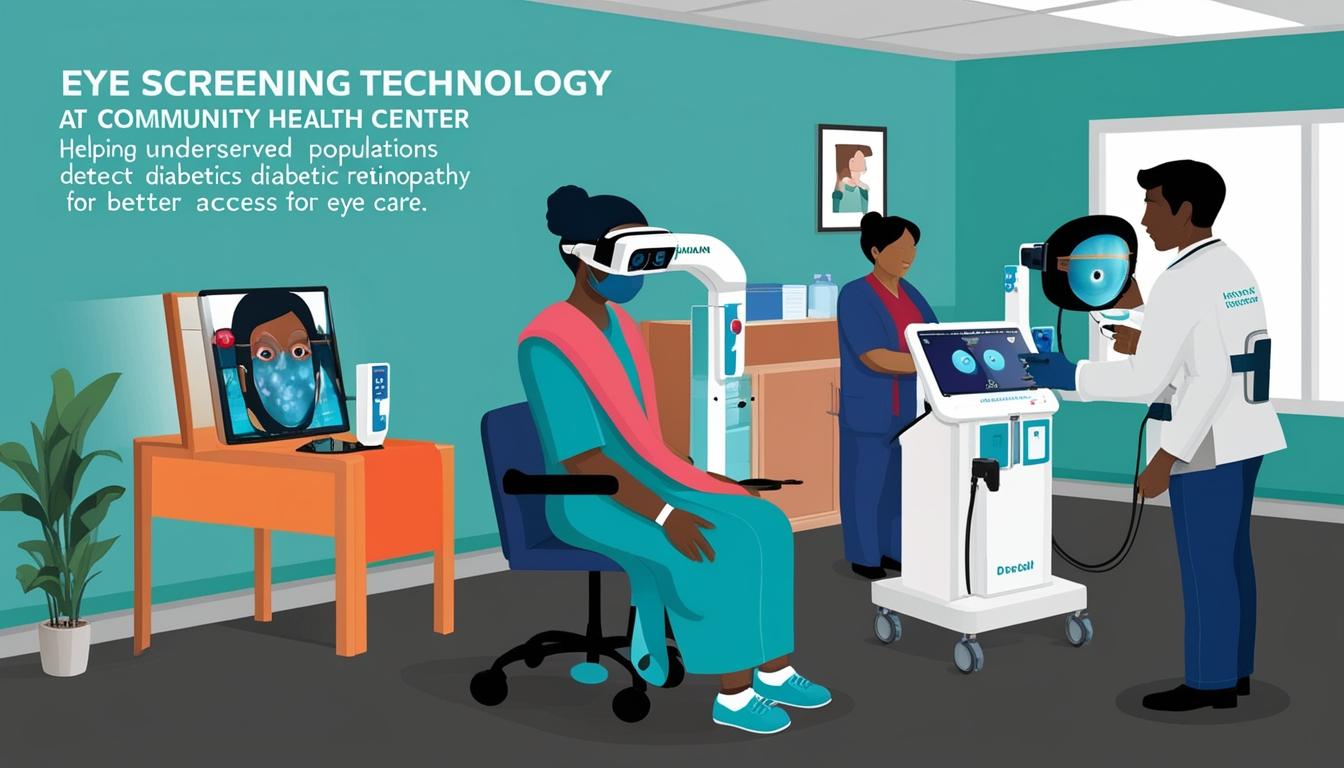
Eyenuk, an innovative artificial intelligence (AI) digital health company, has partnered with the American Academy of Ophthalmology and its EyeCare America programme to tackle eye disease among underserved communities in Delaware. This significant collaboration aims to provide enhanced access to diabetic retinopathy screenings, particularly for low-income and minority populations who are disproportionately affected by diabetes and its complications.
The initiative is currently being implemented at the Henrietta Johnson Medical Center, a Federally Qualified Health Centre (FQHC) with locations in Wilmington and Claymont, Delaware. FQHCs serve as crucial access points for medical care, especially for individuals who might face barriers to traditional healthcare services due to financial constraints.
Utilising Eyenuk’s EyeArt AI Eye Screening system, the programme allows primary care providers to autonomously detect diabetic retinopathy during routine visits, without the immediate involvement of eye care specialists. The EyeArt system is FDA-cleared and operates with retinal imaging cameras, enabling clinical support staff to conduct screenings and produce detailed reports in under 10 seconds. This swift and efficient process is particularly beneficial for enhancing the availability of vision-saving screenings in primary care settings.
For the individuals screened, if any signs of diabetic retinopathy are detected, they are referred for further evaluation and possible treatment. This includes referrals to volunteer ophthalmologists who are part of the American Academy of Ophthalmology’s EyeCare America programme. This seamless integration of technology and professional care aims to enhance early detection and intervention, thereby reducing the risk of vision loss among the at-risk population.
Dr Paula Ko, an ophthalmologist and president of the Delaware Academy of Ophthalmologists, highlighted the importance of this intervention. "Many patients with diabetes don’t visit an eye doctor regularly, often because they lack access or are unaware of the risks," she noted. The use of the EyeArt system is expected to significantly increase screening adherence among these patients, potentially preventing severe outcomes.
Dr Yvette Gbemudu, a family practice physician at Henrietta Johnson Medical Center, expressed enthusiasm for the project. She underscored the broader vision of the programme, which includes the possibility of expanding similar services to address other eye conditions like glaucoma. Dr Gbemudu believes that early detection of eye issues can encourage individuals to improve their overall health management.
Eyenuk CEO Bryan Haardt reaffirmed the company's commitment to expanding access to vital health services. "Our mission is to make diabetic eye screening available to all at-risk populations," he stated, emphasising the company's dedication to breaking down barriers to specialty care.
This collaboration represents a pivotal step toward addressing a significant public health challenge, particularly in communities that might otherwise struggle to access specialised medical evaluations and treatments. Through this innovative approach, Delaware's underserved populations are set to benefit from enhanced and more readily accessible eye health services.
Source: Noah Wire Services