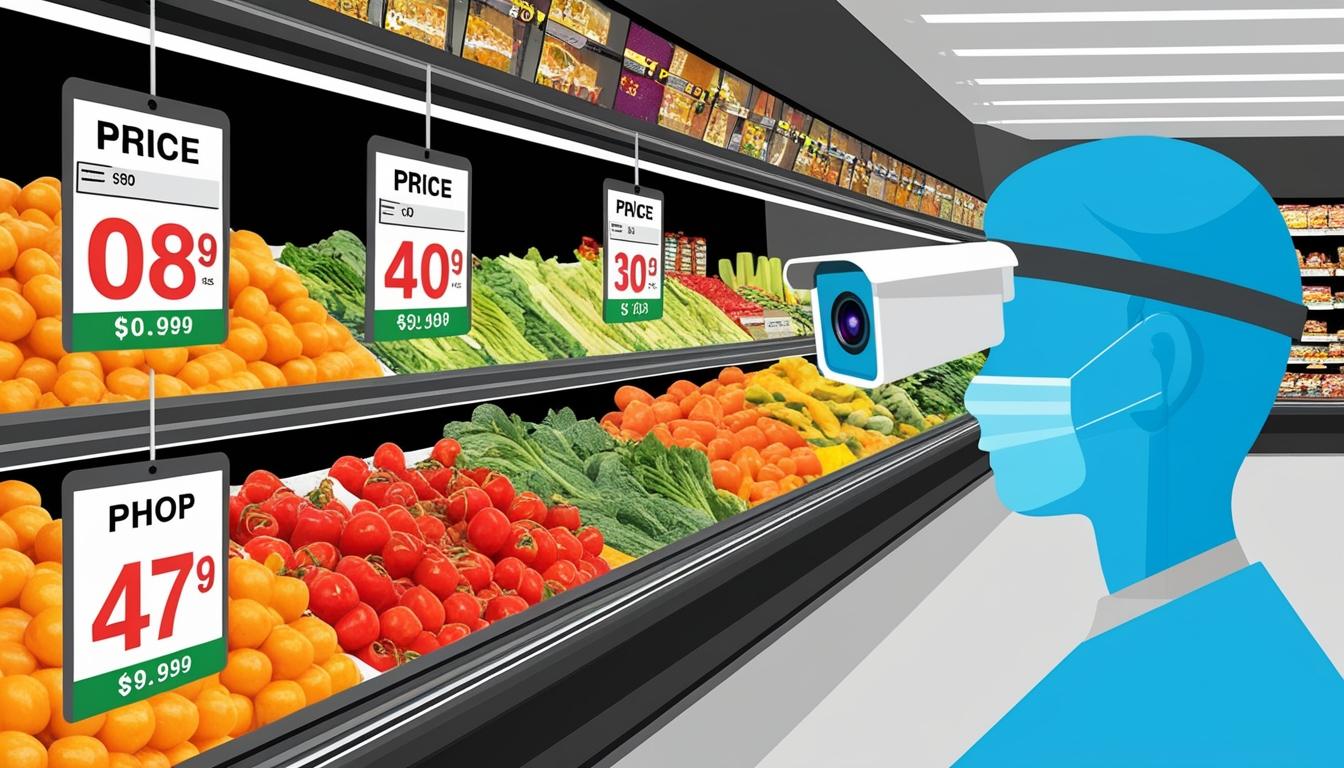
Kroger's potential shift towards implementing advanced technology in its stores has garnered attention and sparked a debate regarding customer pricing and privacy. This development comes in light of reports that the supermarket chain plans to introduce digital price tags that could adjust prices based on various factors, including the time of day and weather conditions. This initiative, which is a part of an artificial intelligence strategy, also reportedly involves the installation of cameras in stores for facial recognition purposes to assist with targeted advertising.
However, the proposed use of facial recognition technology has been met with criticism, particularly from Congresswoman Rashida Tlaib, who has expressed her concerns in a letter to the company. Tlaib emphasized the potential for such technology to lead to discrimination, particularly in Black and brown communities. Highlighting studies that reveal inherent biases in facial recognition technology, she urged caution against its integration into grocery store environments. According to Tlaib, the AI-driven pricing strategy could result in customers paying elevated prices by determining the highest price they are willing to pay for goods.
Amid these concerns, both Kroger and Microsoft have clarified their positions on the debated technologies. A Microsoft spokesperson declared that Kroger is not using the company's facial recognition technology. They also distanced their current digital price tag technology from a previous pilot programme conducted in 2019.
In response to the concerns, Kroger defended its business strategy, asserting that their focus lies on lowering prices to attract more customers, a practice they claim has led to increased customer numbers. The company stated unequivocally that it does not engage in "surge pricing" and that any testing of electronic shelf tags is intended to reduce prices in key areas. Kroger's statement emphasised that suggestions of increasing prices are unfounded.
Besides this technological venture, Kroger has been in the spotlight due to its acquisition of Albertsons. This merger has faced legal challenges, with ongoing anti-trust scrutiny potentially affecting the proceedings.
Kroger, an extensive retail network, operates under various other brands, including Ralphs, Fred Meyer, Pick’n Save, Food 4 Less, and Dillons. Each of these subsidiary brands could potentially see changes in their operations depending on the outcomes of these new technological integrations and the ongoing legal evaluations.
Source: Noah Wire Services