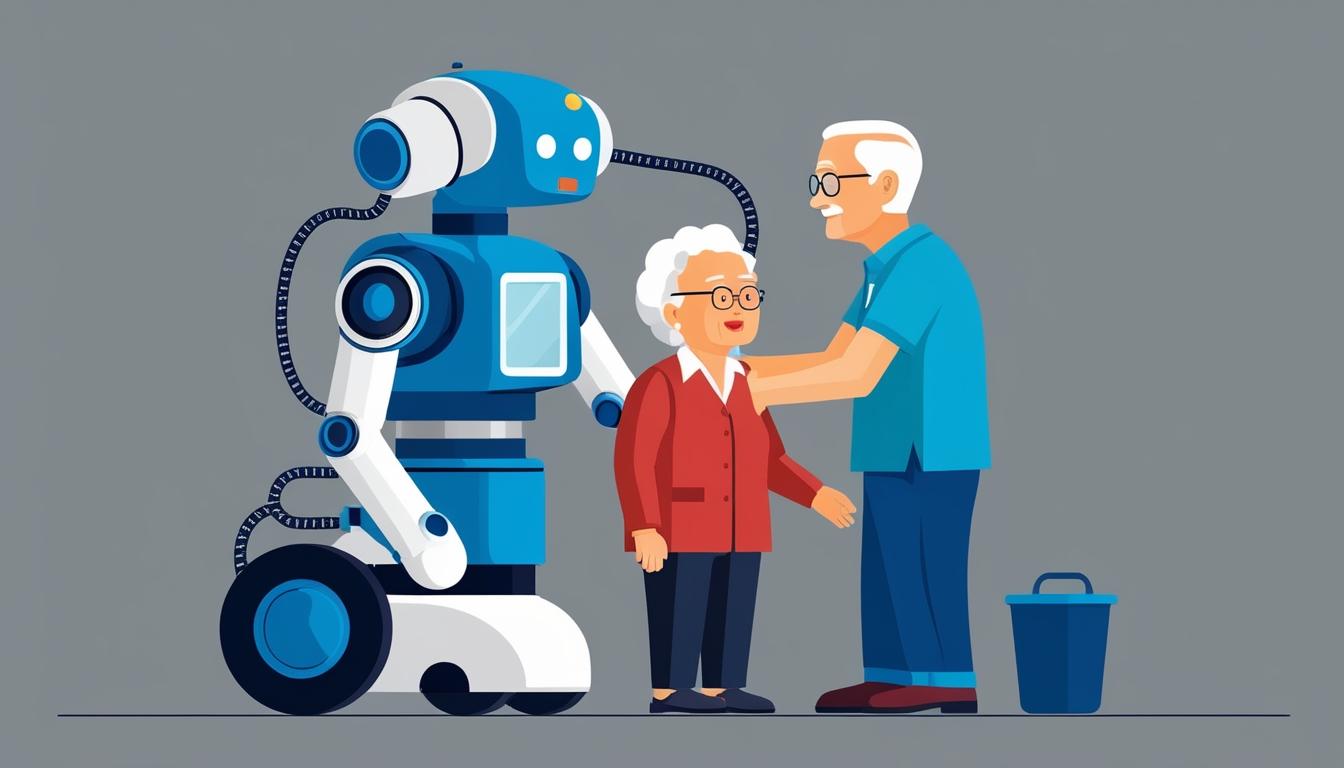
As the United States faces a rapidly ageing population and a potential workforce crisis, experts are grappling with the challenge of adapting the economy to cope with these demographic shifts. Politicians, including Vice President Kamala Harris and former President Donald Trump, have yet to address these issues substantially in their election campaigns. Both major political parties remain reticent about formulating comprehensive strategies or committing to the necessary investments to prepare the workforce for imminent changes.
The data underscores the urgency of this challenge. In 2000, there were roughly 27 Americans over the age of 65 for every individual within the prime working age bracket of 20 to 49. Fast forward to 2020, and this figure jumped to 39. Projections estimate that by 2040, it will reach 54. This trend is predominantly driven by declining fertility rates, suggesting that the growth rate of the workforce will decelerate.
Compounding this situation, current political trends suggest a potential reduction in immigration, a factor that could exacerbate the ageing workforce dilemma. Immigration has historically been a stabilising force, helping to balance the age dynamics within the workforce.
The implications of an ageing workforce are particularly pronounced in sectors such as manufacturing and construction, where physical abilities are crucial and tend to diminish with age despite advancements in healthcare. Typically, individuals reach their peak productivity in their 40s. Younger workers, known for their entrepreneurial spirit and risk-taking tendencies, are vital for innovation and economic vitality.
However, there is a glimmer of hope as countries like Japan, Germany, and South Korea have shown that ageing doesn't necessarily impede economic growth. These nations have aged at nearly twice the rate of the U.S. yet have maintained steady economic growth. Their success lies in the strategic implementation of new machinery and automation technologies, including industrial robots, which have assumed roles traditionally filled by younger workers.
For instance, German car manufacturers have effectively retrained their blue-collar workforce to undertake more technical responsibilities, such as repair, quality control, and digital operations of machines, while simultaneously integrating robots into their processes. This approach has led to significant gains in productivity and sustained wage growth.
The experiences of these countries suggest that a dual investment in technology and workforce training can mitigate the impacts of an ageing population. Automation can alleviate the physical demands on older workers, while retraining initiatives can prepare them for roles that complement technological advancements. As such, the United States may find value in these international examples as it navigates the demographic changes ahead.
Source: Noah Wire Services