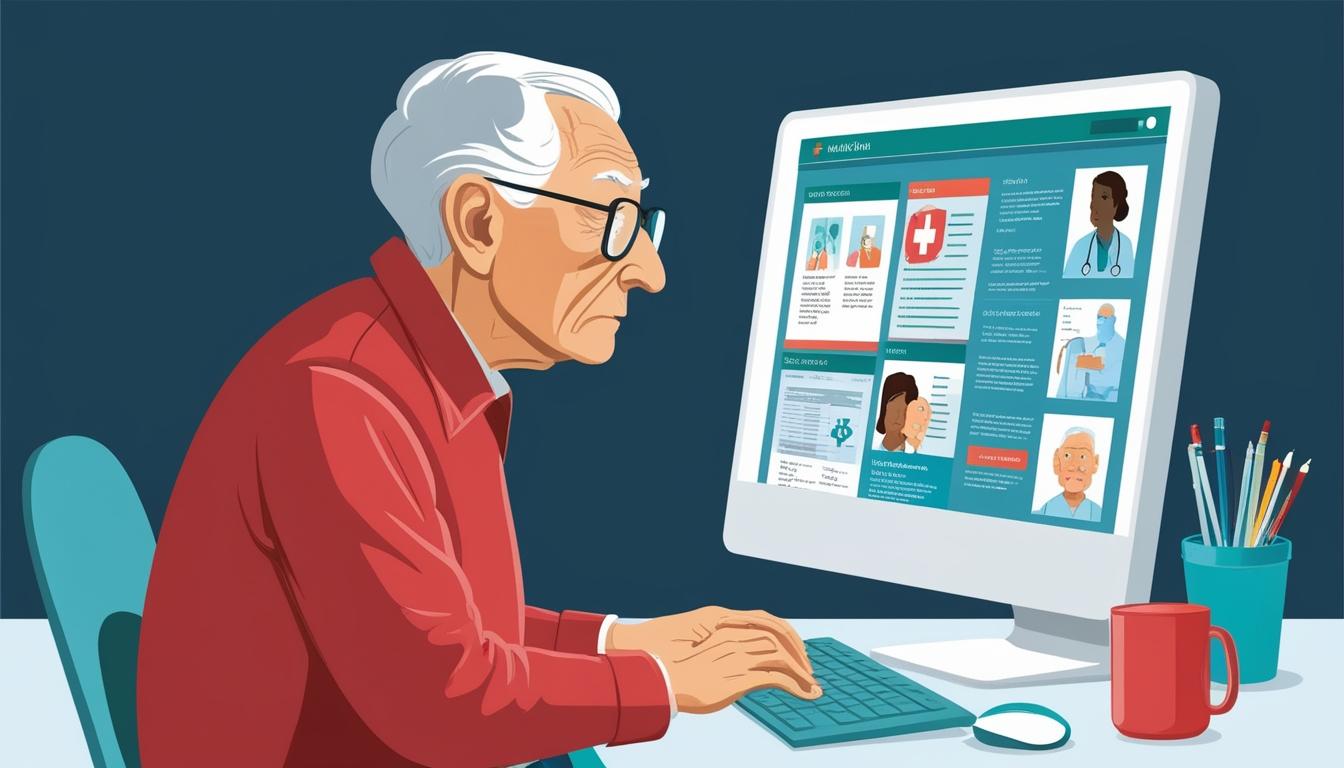
Title: New Poll Reveals Challenges Older Adults Face in Navigating Online Health Information
Amid the growing reliance on the internet for medical information, a recent survey highlights the complexities and challenges faced by those over the age of 50 in discerning reliable health data online. Conducted by the University of Michigan’s Institute for Healthcare Policy and Innovation and backed by AARP, the poll sheds light on trust issues and information-seeking behaviours among older adults, and emphasises the need for accurate health information dissemination.
The survey included a representative sample of 3,379 adults aged between 50 and 101 and was carried out between February and March 2024. It examined the extent of trust older adults place in various sources of health information, revealing a notable scepticism towards AI-generated content. A striking 74% of the participants indicated little or no trust in health information produced by artificial intelligence.
Confidence in recognising misinformation is another key issue. Twenty percent of the surveyed older adults expressed a lack of confidence in their ability to spot inaccurate or deceptive health information online. This figure was even higher among those experiencing fair or poor mental and physical health, or those living with disabilities, highlighting a vulnerability among individuals who might require trustworthy information the most.
Despite the widespread adoption of internet use for health inquiries, with 58% of respondents utilising online resources in the past year, only 32% reported finding accurate information easily. Websites operated by health systems and respected organisations retain a higher trust level, with 59% finding information on health system websites very trustworthy, compared to 36% for commercial sites like WebMD and Healthline.
Notably, the survey underscores the enduring trust older adults have in health care providers and personal networks. A vast majority, 84%, had received health information from medical professionals or acquaintances with medical backgrounds within the past year. More than 70% of respondents deemed healthcare professionals as reliable informants, while 62% expressed similar trust in medically-trained family members and friends.
The poll investigated traditional health literacy as well. An interesting demographic split shows that 18% of older adults did not use the internet for health-related information in the past year, with higher percentages among specific groups: those aged over 65 (24%), Black non-Hispanic respondents (25%), and individuals with a high school education or lower (26%).
Moreover, some older adults experience difficulties in understanding medical information. Fourteen percent find written instructions from healthcare providers challenging, while 8% struggle with verbal communication from their physicians. Confidence in understanding costs associated with medical procedures and prescriptions also varies, with a quarter of respondents unsure about out-of-pocket expenses for upcoming treatments.
In response to these findings, Indira Venkat, AARP's Senior Vice President of Research, highlighted the crucial role of credible resources in supporting healthy ageing. AARP offers free educational resources to assist older adults in understanding AI's implications and improve their digital literacy in this evolving landscape.
The comprehensive findings from the National Poll on Healthy Aging aim to inform health systems, academics, non-profits, and governmental agencies to enhance the accessibility and trustworthiness of health information for the older population.
Source: Noah Wire Services