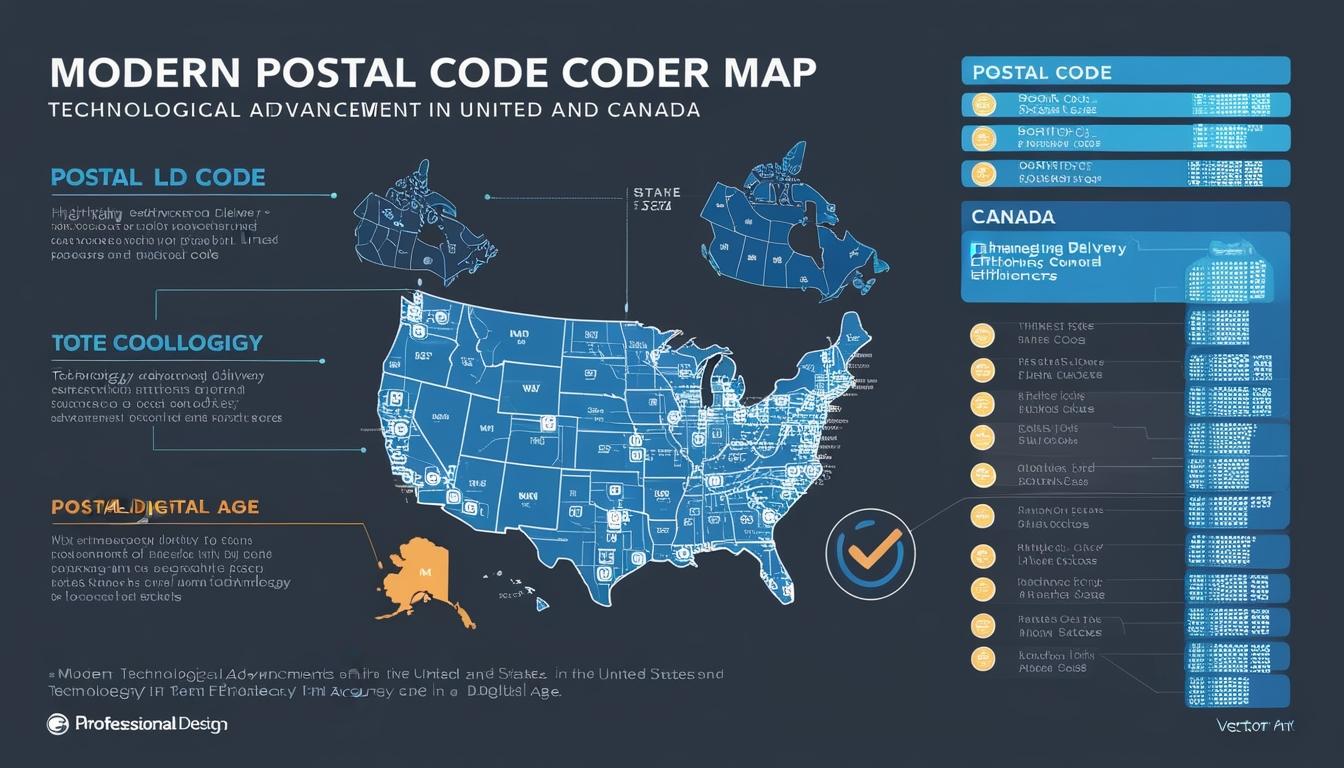
New Postal Code Optimization Across the United States and Canada
In recent months, a significant effort has been underway to optimize and modernise the postal code systems across the United States and Canada. With the rapid increase in online shopping and the accompanying rise in delivery demands, postal services in these two nations are taking strategic steps to enhance the efficiency of mail and package delivery.
The initiative, which is a collaborative effort between the United States Postal Service (USPS) and Canada Post, aims to implement improvements in postal code allocation and use, covering all states and territories of the United States as well as Canadian provinces and territories.
United States Rollout
The changes in the United States are particularly focused on densely populated states such as California, Texas, and New York, as well as rapidly growing regions like Florida and Nevada. The USPS has introduced an automated system designed to streamline delivery routes and improve accuracy in postal code allocations. This system utilises advanced algorithms to minimise delivery times and ensure packages reach their destinations efficiently.
Key states including Alabama, Georgia, and Illinois have already seen initial implementation of these systems, which promise more reliable mail services, particularly in burgeoning urban and suburban areas. Special attention is being given to rural areas in states like Wyoming, South Dakota, and Kentucky, ensuring that even less densely populated regions can benefit from improved postal services.
Canadian Implementation
Simultaneously, Canada Post is updating its postal systems across major provinces like Ontario, British Columbia, and Quebec. With an emphasis on technological upgrades, the goal is to enhance the precision of their postal code database, facilitating better routing of parcels and letters. Provinces which feature expansive rural areas, such as Alberta and Saskatchewan, along with territories like Yukon and Nunavut, are also receiving updates to improve service reach and reliability.
In many areas, trial phases have commenced, with feedback collected to address specific local challenges. The success experienced in pilot projects conducted in Newfoundland and Nova Scotia has led to a broader rollout.
Technological Advancements in Postal Services
Both USPS and Canada Post are incorporating machine learning techniques into their logistical frameworks. By analysing data from past deliveries, they can anticipate potential delays and adjust routes in real-time. This advanced approach comes in response to the demands of modern consumers who prioritise speed and accuracy in postal services.
Challenges and Future Prospects
While the innovations promise significant benefits, the implementation across such vast and varied geographic areas does present challenges. Diverse climates, varied topographies, and the sheer volume of mail transactions complicate the uniform application of these new systems.
Postal service providers are also mindful of privacy concerns regarding data collection, ensuring that personal privacy is not compromised in the pursuit of efficiency. Clear communication strategies are in place to inform residents of these updates and any temporary disruptions that may occur during the transition period.
The successful integration of these updated postal systems is considered a necessary step in keeping up with global postal service trends, enhancing customer satisfaction and maintaining the competitiveness of national postal services. As these systems are refined and expanded over the coming years, both Americans and Canadians are likely to experience a more streamlined, efficient service well-suited to the demands of the modern age.
Source: Noah Wire Services