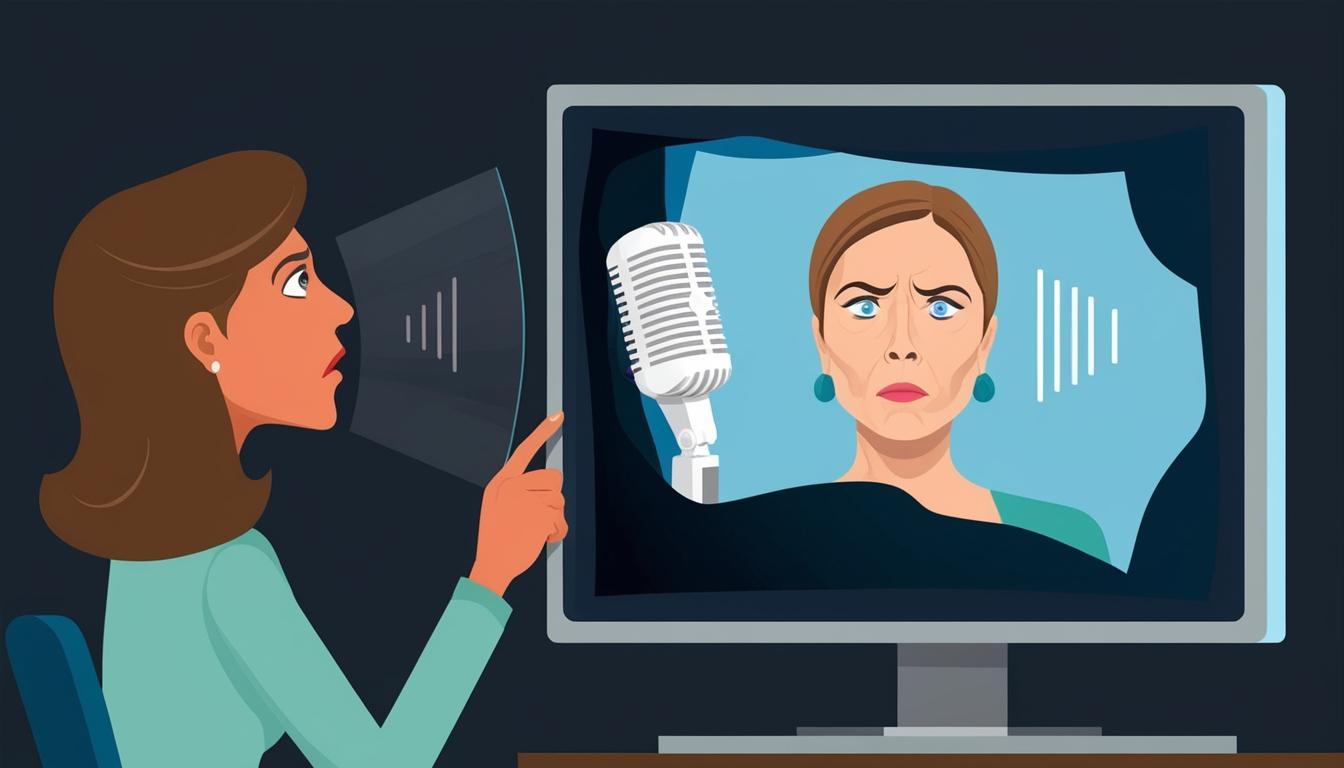
Actor Nicola Coughlan 'Spooked' by AI-Generated Vocal Likeness on Social Media
Award-winning actress Nicola Coughlan, renowned for her role in the popular series "Bridgerton," recently expressed discomfort after discovering an AI-generated imitation of her voice on TikTok. This incident underscores growing concerns in the entertainment industry regarding the unauthorised use of digital likenesses facilitated by advancements in artificial intelligence.
Coughlan, recognised by Time magazine as one of 2024's Next Generation Leaders, narrated her unsettling experience upon encountering a TikTok video featuring her purportedly reciting lines from a "Bridgerton" novel, despite having no recollection of recording such dialogue. "It was just an AI rendition of my voice, and it spooked me so badly," Coughlan recounted to Time. Her experience highlights a broader issue faced by public figures whose vocal and visual likenesses are replicated using AI without consent.
This phenomenon is not unique to Coughlan. The use of AI to create content with vocal likenesses of public figures has become increasingly common on platforms like TikTok and YouTube. Notably, an AI-generated cover track featuring the vocal resemblance of Canadian rapper Drake performing "Munch" by Ice Spice gained significant attention, prompting Drake to address the unauthorised use of his voice in April 2023. Similarly, K-pop ensemble Seventeen humorously responded to an AI-generated cover where they sang a track by another group, demonstrating the widespread and often contentious application of this technology in entertainment.
The appeal of these AI-generated likenesses extends into leisurely entertainment segments, with clips mimicking past and present U.S. presidents engaging in light-hearted banter during online games amassing millions of views. These humorous depictions, although entirely fictional, resonate with audiences due to their novelty and the recognition of the public figures involved.
However, the use of AI likenesses in commercial contexts remains a contentious issue. Prominent actors, such as Scarlett Johansson, have taken a firm stance against the unauthorised use of their vocal likenesses in AI applications. Johansson notably opposed OpenAI's voice assistant, Sky, due to its uncanny similarity to her voice, prompting the company to halt its deployment upon her complaint.
The use of AI in reproducing the likenesses of actors and vocal performers has become a focal point for labour unions in Hollywood, including the SAG-AFTRA and WGA, who view this technology as a potential threat to performers' rights and compensation. The debate intensified during the strikes of 2023, as these unions sought to establish clear guidelines for the use of AI-generated content by studios.
While major corporations and unions grapple with these concerns, regulating fan-generated content remains complex. Voice actor Connor Fogarty shared his discomfort with Business Insider after finding an AI-replicated version of his voice in a social media video, illustrating the personal impact and complexities involved in managing digital likenesses.
As AI technology continues to evolve, the entertainment industry finds itself at a crossroads, navigating the balance between innovation and the ethical implications of digitally replicating the voices and likenesses of public figures. The industry, alongside legal and ethical frameworks, is tasked with addressing these challenges to ensure fair use and protection for artists and performers in the digital age.
Source: Noah Wire Services