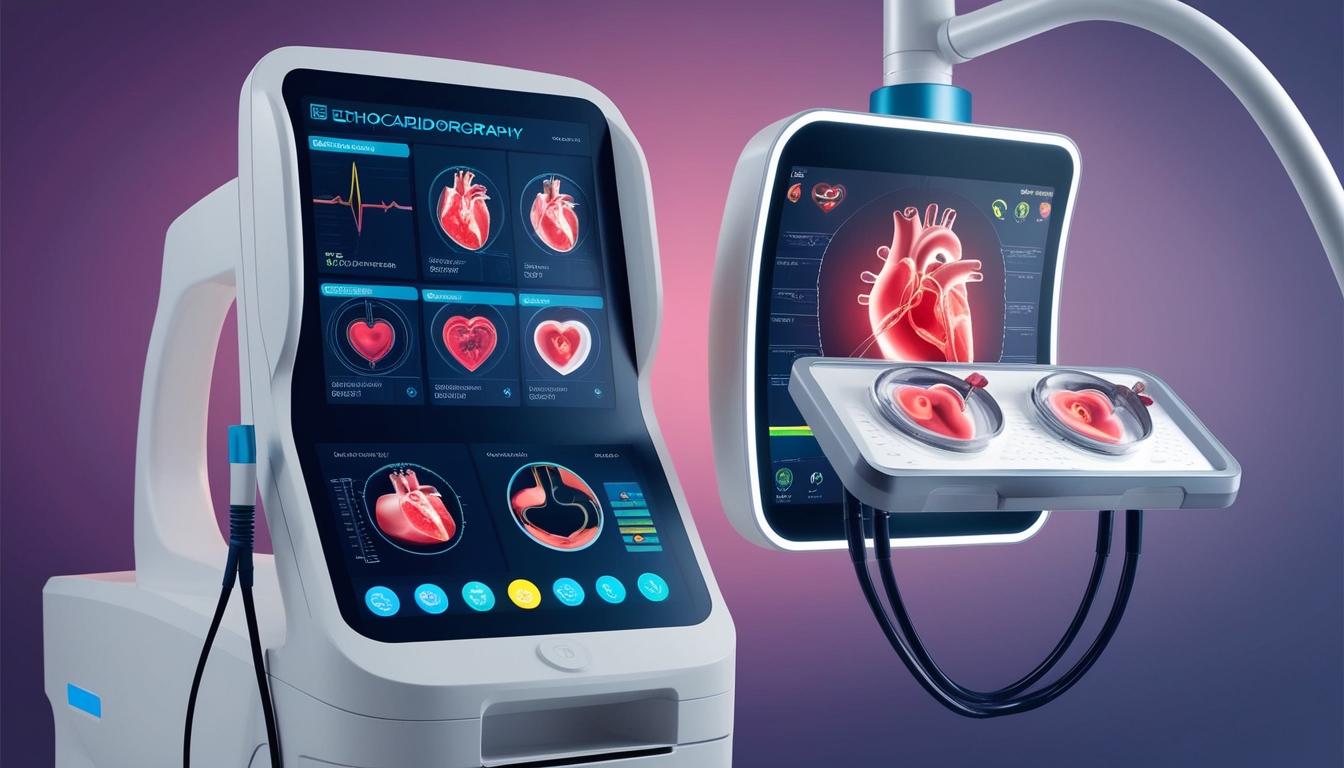
At the European Society of Cardiology 2024 Congress held in London, Royal Philips unveiled its latest advancements in echocardiography, introducing a range of AI-based capabilities that promise to transform the field of cardiac diagnostics. This cutting-edge technology aims to expedite and automate the process of echocardiography measurements, which are crucial for the diagnosis of various heart conditions.
The highlight of Philips' presentation was its innovative platform comprised of AI tools specifically developed to aid in the detection and diagnosis of structural heart disease (SHD). Among the new tools is an automated 3D tricuspid valve quantification feature, which stands to enhance the precision of diagnosing heart valve issues. Additionally, the platform includes a 3D colour flow quantification tool, a significant development to aid clinicians in identifying mitral regurgitation, a condition where the heart's mitral valve does not close tightly, allowing blood to flow backward in the heart.
Also featured was the VeriSight Pro real-time 3D intracardiac echocardiography catheter. This tool is designed to provide physicians with enhanced control during a spectrum of minimally invasive procedures related to both structural heart disease and electrophysiology. This capability could improve procedural outcomes and patient safety.
Philips also showcased the EchoNavigator, which integrates with the Azurion image-guided therapy system. This integration is purposed to support heart teams in managing complex SHD treatments, such as heart valve repair or replacement. The system aims to improve efficiency and accuracy, potentially reducing the time and resources required for these intricate procedures.
Furthering their innovation, Philips introduced an AI-enabled cardiovascular ultrasound platform, which is now coupled with the Philips Ultrasound Workspace. This integration allows for comprehensive diagnostic capabilities either on the cart or remotely, enabling more flexible and precise analysis across various data formats. The platform's vendor-agnostic approach means it can be used widely, potentially broadening its applicability in different clinical settings.
Philips also revealed advancements in cardiac imaging through its AI-enabled Spectral CT 7500, which offers advanced imaging with a focus on low dose technology. This reduces patient exposure to radiation, addressing a critical concern in medical imaging. The CT 5300 model includes AI applications to enhance productivity, provide precise diagnostics, and assist in interventional procedures. These features meet the high standards required for cardiac care diagnoses and patient management.
These AI enhancements in both ultrasound and CT imaging underscore Philips' commitment to improving the efficiency and accuracy of cardiovascular diagnostics and interventions. Attendees of the congress experienced firsthand the potential impact of these technologies on patient care pathways in cardiology.
Source: Noah Wire Services