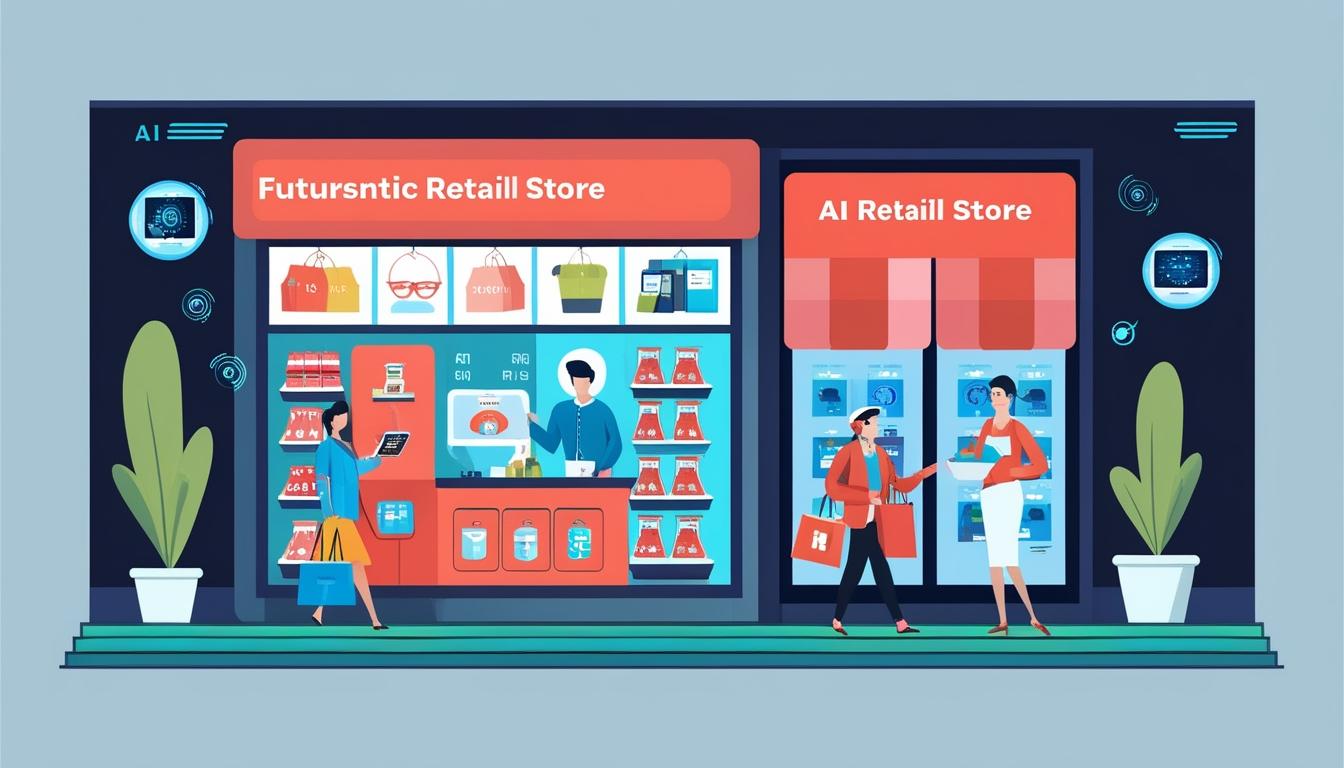
The retail industry finds itself at a pivotal juncture, navigating the ever-evolving digital landscape, where Artificial Intelligence (AI) is rapidly becoming a cornerstone of business strategy. The transformative potential of AI within the retail sector is increasingly evident, as it equips retailers with the tools to redefine consumer engagement and streamline operational efficiency. However, there exists a significant divide between those embracing the digital shift and those yet hesitant to adopt these technologies.
AI's ability to enhance personalisation at scale is among its most compelling benefits, revolutionising how consumer offers and interactions are structured. Approximately 60 percent of global shoppers view personalised offers as a crucial aspect of their shopping experience, indicating a shift away from traditional mass-marketing strategies. Retailers utilising AI for personalisation have seen a revenue increase of up to 40 percent compared to those that have not incorporated such technologies, according to McKinsey.
The trend towards adopting AI is gaining momentum, with projections indicating that more than 80 percent of retailers will utilise AI technologies within the next three years. The financial implications are profound, with the global AI retail market expected to reach $55.5 billion by 2030. Retailers resistant to this technological shift risk losing competitive ground to their more innovative counterparts.
In the UK, Tesco has become a forerunner in leveraging AI to enhance its customer loyalty programmes. Earlier this year, Tesco launched its AI-driven Clubcard Challenges, aiming to personalise shopping experiences by setting custom spending thresholds and shopper-specific challenges. The initiative's success lies in its ability to integrate AI seamlessly, increasing customer engagement by offering rewards that resonate with individual shopping habits.
Similarly, Carrefour in France continues to advance in AI-driven engagement through its “Challenges” programme. By harnessing AI, Carrefour personalises promotions and creates incremental goals tailored to individual members, based on purchase history and behavioural patterns, reaching a level of personalisation at a regional scale. This sophisticated use of AI technology enables Carrefour to anticipate customer needs and preferences with precision.
Starbucks exemplifies successful AI adoption with its Starbucks Rewards loyalty programme. Utilising AI algorithms to analyse purchase history and contextual factors, Starbucks personalises recommendations to suit current conditions, such as offering a free iced coffee on particularly hot days to regular iced coffee drinkers. This strategy has proven effective in expanding their customer base, adding four million new members in one quarter alone—a 13 percent increase.
The experiences of Tesco, Carrefour, and Starbucks illustrate the tangible benefits of strategic AI application within the retail industry. These innovations not only optimise consumer interactions but also drive engagement and loyalty, factors that are crucial for sustained revenue growth.
The insights from industry experts, such as Cédric Chéreau, managing director at EagleAI, highlight the critical importance of integrating AI into retail frameworks. Chéreau, with over two decades of experience in retail analytics, underscores how AI is not merely a technological enhancement but a necessary evolution for retailers aiming to maintain and expand their market standing.
In conclusion, AI stands as a transformative force within the retail world, offering the capability to significantly enhance consumer experiences and operational efficiencies. For retailers, the question is no longer if they should adopt AI, but how quickly they can integrate these technologies to capture their share of the future market and stay ahead in an increasingly competitive landscape.
Source: Noah Wire Services