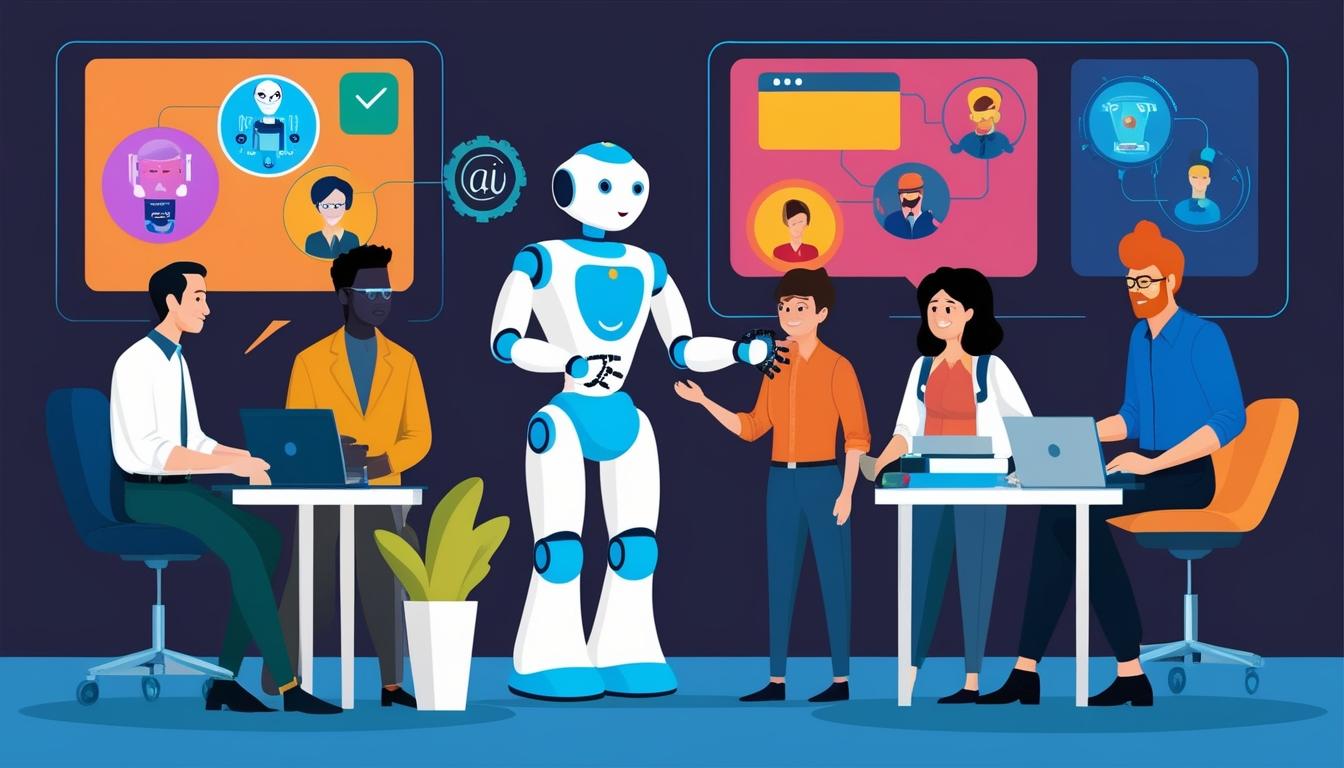
Rising Unemployment and the Transformative Impact of Artificial Intelligence in Workplaces
As economies around the globe grapple with rising unemployment, a new force is reshaping the job market landscape: artificial intelligence (AI). The integration of AI into various sectors is inducing anxiety among workers concerned about the security of their jobs and the relevance of their existing skill sets. This evolving situation is provoking a dialogue about the relationship between technology and employment, particularly as AI continues to permeate industries with increasing intensity.
The Current Scenario
AI's rapid advancement in the workplace is most vividly illustrated by the proliferation of chatbots for tasks ranging from ad targeting to content creation. This technological surge follows the significant release of ChatGPT two years ago, marking a turning point in how companies utilise AI-driven solutions. With 2025 looming, industries are facing intensified pressure to integrate AI, necessitating an examination of both its challenges and potentials.
Adaptation Through Education and Training
Industry experts suggest that both employees and leaders need to embrace AI's capabilities to ensure competitiveness. This involves a strategic focus on AI literacy across organisations, with recommendations for tailored training programmes, the creation of cross-functional teams to drive innovation, and the establishment of AI committees to oversee ethical AI usage.
Notably, businesses are encouraged to adopt a continuous learning culture, equipping their workforce to navigate the complex dynamics brought about by AI. Education is highlighted as a key tool for stakeholders as they attempt to align AI’s application with human skills and ethics.
Essential Skills for the AI Era
Experts have identified five skills that are expected to become crucial by 2025:
Technical Proficiency: A foundational understanding of AI tools and data literacy is essential. Businesses are advised to provide targeted training, including workshops on machine learning and data visualisation, to enhance collaboration with AI systems.
Adaptability: With rapid technological changes, the workforce must adopt a mindset of continuous learning. Employers can facilitate this by promoting job rotations and role expansions that challenge employees to step beyond their comfort zones.
Creativity: As AI handles routine tasks, human creativity becomes vital for innovation and maintaining a competitive advantage. Creative thinking can be fostered through brainstorming sessions and cross-departmental collaboration.
Emotional Intelligence: The human ability to understand and manage emotions is crucial for team dynamics and customer relationships. Training programmes focusing on empathy and effective communication can enhance these skills.
Ethical Judgment and Integrity: Ethical considerations are paramount with AI's increasing influence. Organisations are encouraged to undertake ethics training and establish committees to guide ethical decision-making regarding AI applications.
Role of Employers and Educational Institutions
The onus of developing the aforementioned skills lies on multiple stakeholders—workers, employers, and educational institutions. Workers are encouraged to proactively engage in learning, while employers should support skill development through resources and a culture of learning. This shift is evidenced by the growing trend of skills-based hiring, as shown by a recent survey indicating that 73% of employers employed skills-based hiring last year, compared with 56% in 2022.
Educational institutions are also urged to adapt their curricula to match this changing landscape, potentially incorporating continuous teaching methods and a focus on technical and human-centric skills.
Conclusion
AI, often perceived as a disruptor, also presents unique opportunities for personal and professional growth. By focusing on skills that enhance what makes us distinctly human—creativity, empathy, and ethical judgement—there is potential for AI to not only integrate but also uplift human work, driving innovation and growth in the economy.
Source: Noah Wire Services