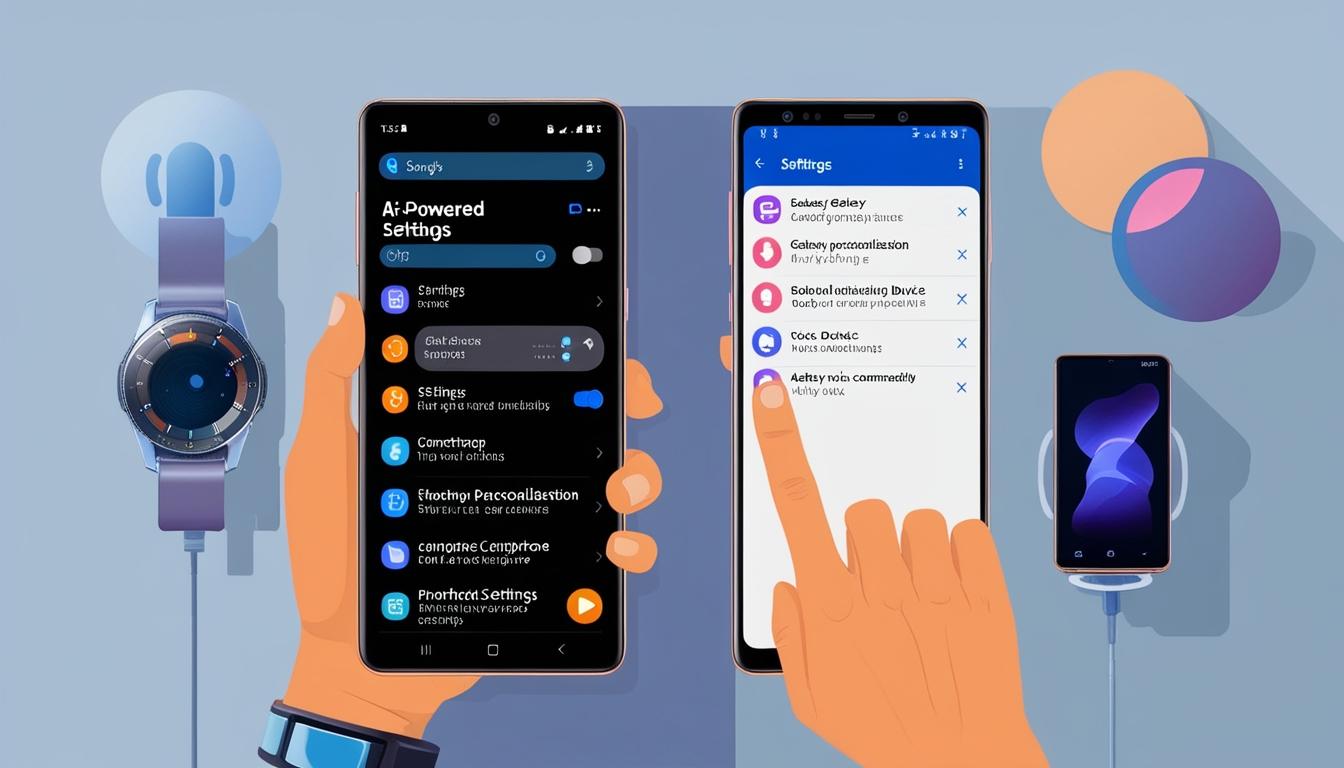
In a bold step towards revolutionising user interaction with technology, Samsung is reportedly exploring the integration of advanced artificial intelligence (AI) features in its Galaxy smartphone series. This initiative could replace the traditional Settings menu with an AI-powered equivalent, fundamentally altering how users configure their devices.
The Vision: Enhanced Personalisation
Samsung's initiative aims to streamline the user experience by enhancing personalisation through AI. The current Settings menu in Samsung's One UI is extensive, offering a myriad of customisation options and layered navigation paths, which can be cumbersome for users. By employing Galaxy AI, the proposed system could simplify this by interpreting spoken or written natural language prompts, such as "Disable Always on Display," and executing these commands more efficiently than manual navigation.
Moreover, the AI could dynamically reorder settings based on usage, similar to existing features in Samsung's Tizen OS, soon to be rebranded as One UI on smart TVs. This would bring frequently accessed settings to the forefront, making routine adjustments more accessible.
Proactive Adaptation and Suggestions
The envisioned AI capabilities extend beyond mere simplification. The technology could autonomously adapt settings according to context - think location, time, or activity-based configuration. Whether it's automating lighting adjustments based on the ambient environment or suggesting app shortcuts based on frequent usage, Galaxy AI proposes an intuitive way to cater settings to the user's lifestyle without manual intervention.
Challenges and Concerns
However, this vision is not without its complexities and concerns, particularly surrounding user adaptability, control, and privacy.
Learning Curve and Usability
Transitioning from a menu-based interface to a conversational AI system may pose a challenge, especially for users who are less comfortable with technology. Unlike graphical interfaces that provide a visual hierarchy of options, relying on text prompts requires an understanding of specific language use, which may not always align with user intent, potentially leading to misinterpretations and friction.
Loss of User Control
Furthermore, the dynamic nature of AI suggestions, which could alter settings or make frequent, unsolicited suggestions, might be frustrating for users accustomed to static interfaces. An ever-changing configuration menu could impede the ability to quickly navigate and locate settings, particularly for those who rely on muscle memory and visual cues.
Privacy Implications
A significant aspect of this AI-driven interface pertains to privacy. While Samsung aims for on-device processing to mitigate risks associated with data transmission, the AI would still necessitate access to sensitive user data, including app usage, location, and sensor inputs, to make informed suggestions.
While this approach secures data from external breaches, vulnerabilities at the software level present a risk. Users with visual impairments might also find a dynamically changing AI interface challenging, signalling a need for Samsung to balance innovation with inclusivity and security.
Balancing Innovation with User Needs
Samsung’s potential shift to an AI-centric settings interface aims to offer an enhanced, personalised smartphone experience. However, it necessitates a careful balance between technological advancement and preserving user agency and privacy. The success of such a transition would depend on Samsung’s ability to integrate these capabilities without sacrificing clarity and control for the end-user.
As Samsung continues to explore this innovative path, the tech community remains watchful of how these AI-driven features will evolve and how they might reshape user interaction with smartphones in the future.
Source: Noah Wire Services