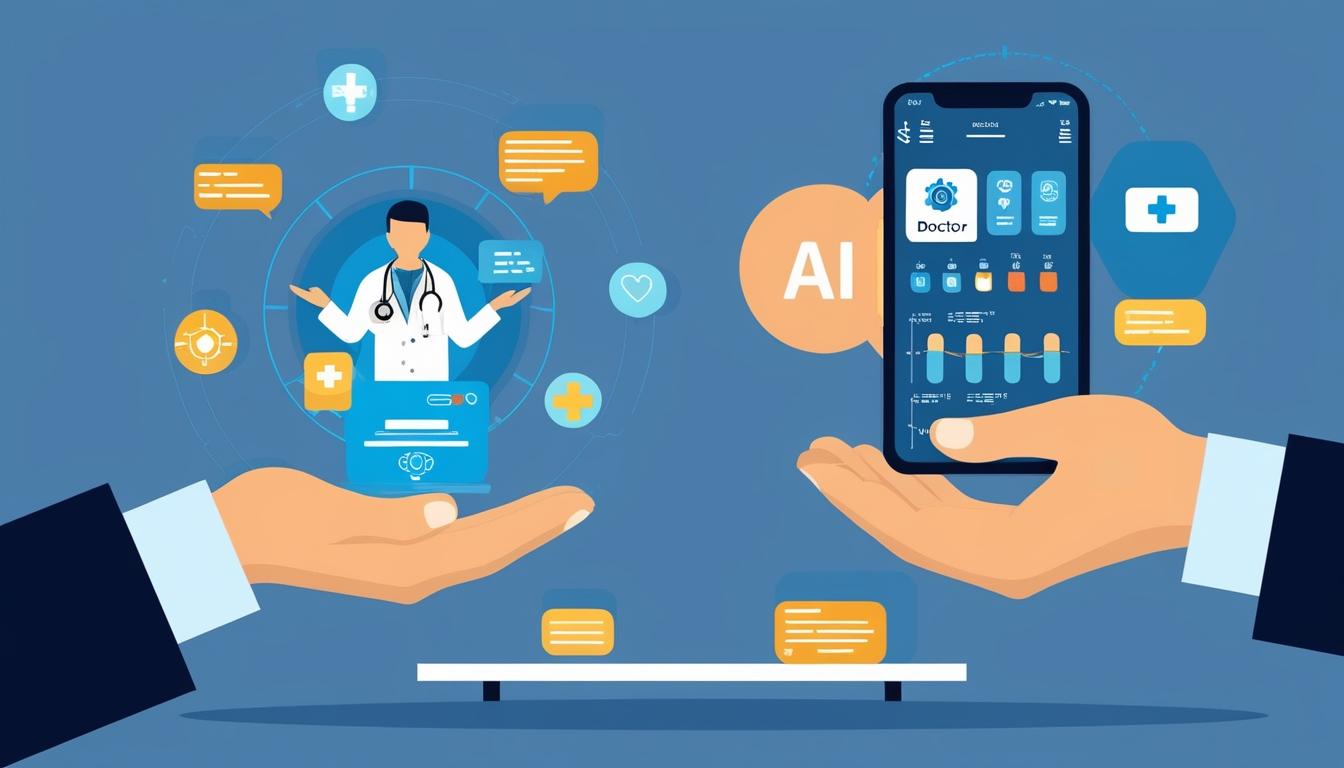
A recent study by researchers from Lehigh University and Seattle University delves into the hesitance of patients to adopt artificial intelligence (AI) technologies in health care—a sector where personal interaction has traditionally been paramount. While the adoption of AI is gaining momentum in various fields such as financial advising and customer service, health care presents unique challenges due to its deeply personal nature, with most patients still preferring the human touch in their medical interactions.
The study, published in the journal Computers in Human Behavior, introduces the concept of "bias salience"—making people aware of human biases—to potentially change perceptions of AI in health care. The research involved nearly 1,900 participants across six distinct experiments aimed at exploring patients’ responses to health care recommendations when provided by either human professionals or AI systems. The types of recommendations considered in the research included significant medical decisions, such as coronary bypass surgery and skin cancer screening.
Participants were split into groups, with some being primed to consider biases in human decision-making before reviewing recommendations. This entailed reflecting on common cognitive biases or recalling personal experiences with biases in health care. The findings revealed that participants who considered human biases in advance viewed AI recommendations as having greater "integrity" — which in this context means they found AI to be more fair and trustworthy compared to human health care professionals.
Lead researcher Rebecca J. H. Wang, an associate professor of marketing at Lehigh University, highlighted that bias is typically perceived as a human shortcoming. She noted that when people are made aware of the potential biases inherent in human decision-making, AI systems are seen in a light offering greater fairness and objectivity.
Although the study revealed that a majority of participants still preferred human-delivered health care, awareness of bias significantly reduced resistance to AI-driven recommendations. Participants attributed greater perceived objectivity to AI, finding it less susceptible to the subjective biases that can influence human decisions.
The implications of these findings are significant for the future integration of AI into health care systems. As AI continues to develop and see increased investment, the authors suggest that the industry could build acceptance by addressing and communicating the limitations of human judgment while emphasizing AI’s potential for objectivity. Ensuring that AI systems are trained without bias and including context about human biases could foster a balanced relationship of trust between patients and AI technologies.
As AI becomes more ingrained in health care practices, understanding and overcoming patient concerns about AI compared to human judgment could play a critical role in broadening its acceptance. The insights from this study contribute crucially to how AI systems might be implemented and presented, potentially enhancing trust and collaboration between patients and the evolving technological landscape of medicine.
Source: Noah Wire Services