Tech Giants and Key Industry Players Embrace Energy Solutions and Strategic Partnerships Amidst Global Challenges
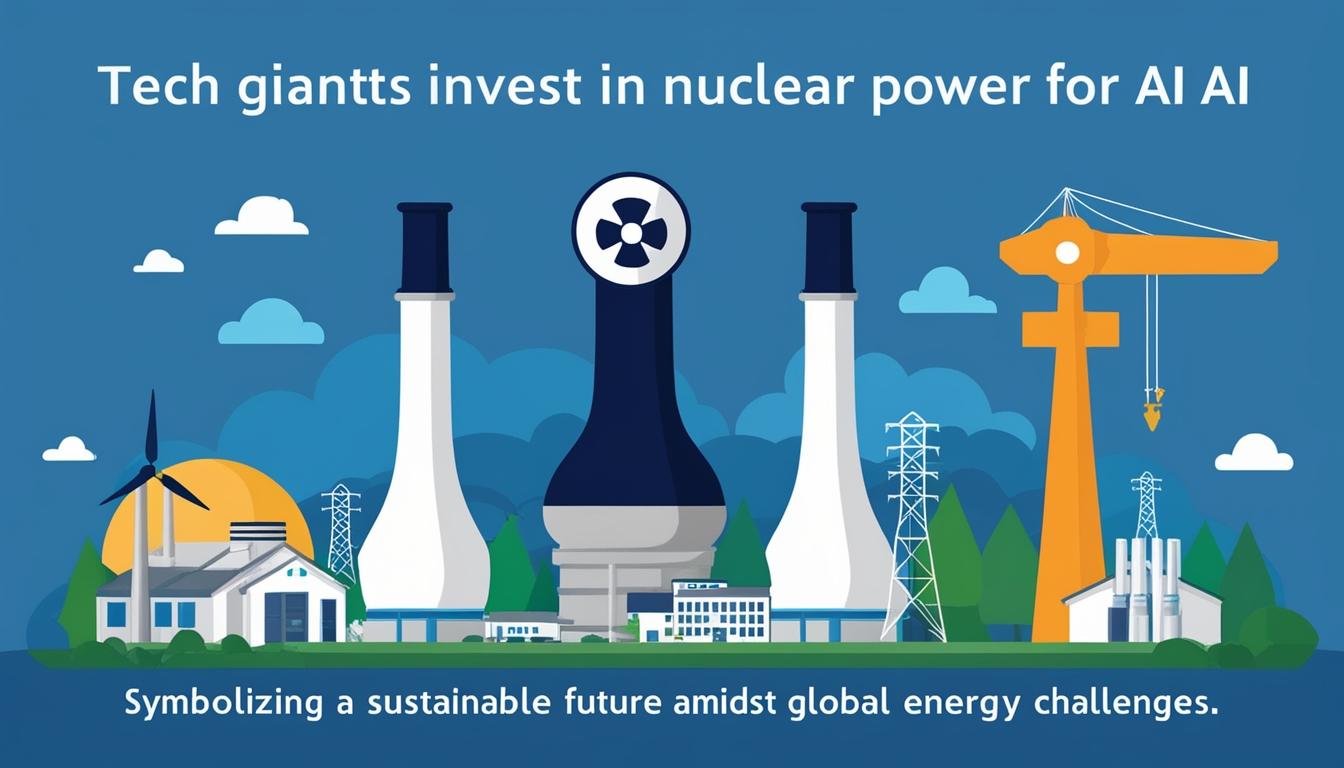
In a strategic move addressing the burgeoning energy demands of artificial intelligence technologies, heavyweight tech companies Google, Amazon, and Microsoft are investing in nuclear power to support their AI ambitions. These corporations seek to fuel AI systems, including ChatGPT, Claude, and Gemini, which require massive energy inputs to run data centres worldwide. A particular case illustrating the demand is Ireland, where data centres consumed a staggering 21% of the nation's electricity in 2023. This shift to nuclear power indicates a significant step for these tech giants to maintain competitive momentum without overburdening global electricity grids.
Meanwhile, the National Football League (NFL) has expanded its partnership with Cisco, incorporating advanced networking and cybersecurity solutions to enhance the NFL International Games. The NFL's decision to employ Cisco's technology, previously used in major events like the Super Bowl and NFL Draft, underscores a commitment to robust operations for scheduled games in cities including São Paulo, London, Munich, and Madrid across 2024 and 2025.
In the luxury sector, LVMH has faced a setback with its shares plummeting by 7% following a 3% decline in third-quarter sales. This downturn is largely due to subdued consumer spending in China and broader global economic uncertainties. Notably, its crucial fashion and leather goods division—encompassing high-profile brands such as Louis Vuitton, Dior, and Givenchy—experienced its first sales decline since 2020, dropping by 5%. The impact of these revelations has also been felt by competitors such as Richemont, Kering, and Hermès, highlighting industry-wide challenges.
On a different note, the landscape of holiday consumer behaviour is shifting with artificial intelligence taking a central role, as revealed in a 2024 Holiday Survey by TalkdeskⓇ, Inc. The survey indicates a growing trend, with 90% of shoppers incorporating AI into their holiday shopping routines, up slightly from 88% in 2023. Among the key insights, 62% of consumers plan to rely on AI for personalised product recommendations this season.
Retailers are responding variably to this trend, with 59% of AI-adopting companies using technology to bolster customer service. Other applications include utilising predictive analytics to gauge consumer spending behaviours and customising product pages. However, a notable 39% of retailers remain indifferent, not adopting AI despite potential competitive disadvantages in customer experience and market share.
These dynamic shifts across sectors—from tech to retail—present a complex but forward-looking picture of how industries are adapting to both challenges and opportunities amidst rapid technological and economic change.
Source: Noah Wire Services