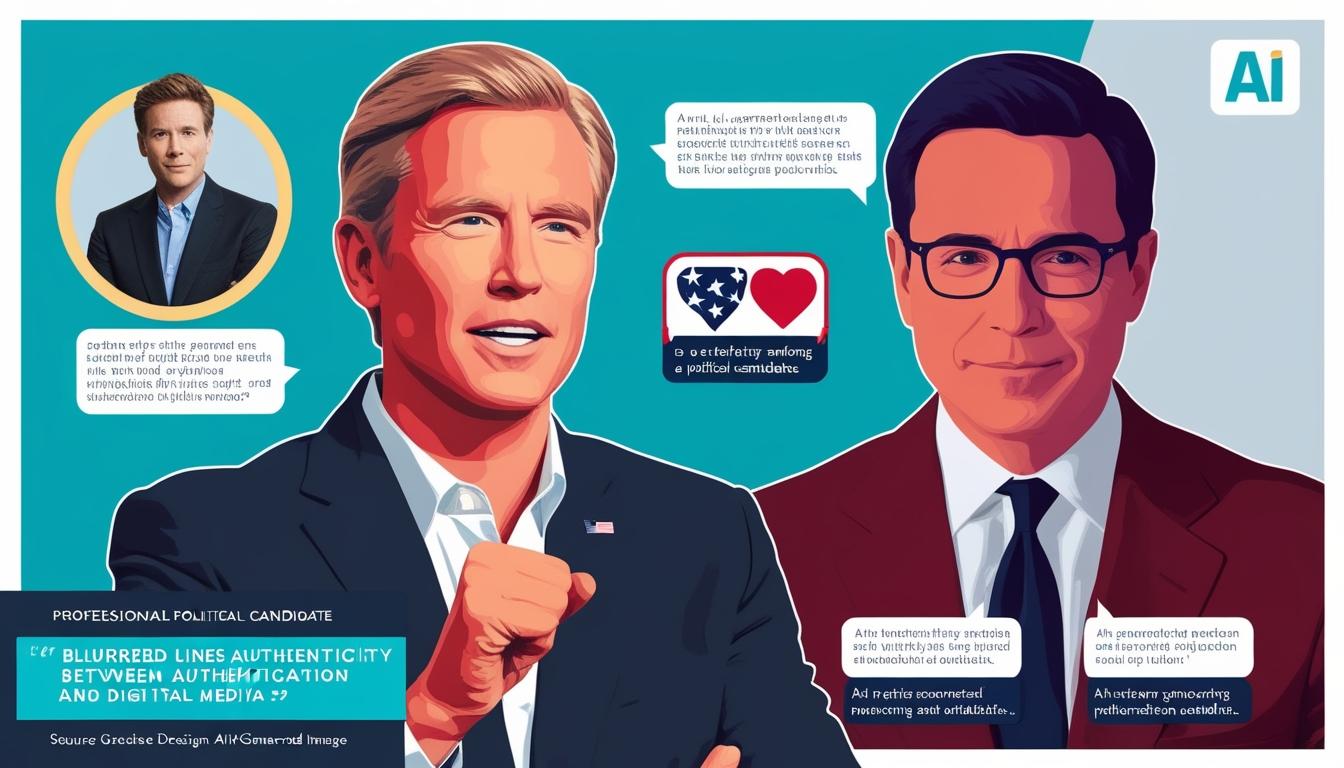
AI-generated images of celebrities endorsing political candidates have been rapidly gaining traction, raising concerns about misinformation and authenticity in political campaigns. As technology advances, these AI-created endorsements are becoming increasingly sophisticated and widespread, posing a challenge for both voters and political entities.
This phenomenon has emerged as a significant issue in recent campaigns, with AI tools being utilised to create highly realistic images of well-known public figures seemingly supporting various political figures. These images are frequently shared across social media platforms, where they can potentially mislead a large audience due to their realistic nature. The ability to distribute such content widely and quickly adds to the complexity of the matter.
The technology behind these AI-generated images involves deep learning algorithms, which analyse thousands of photographs or videos to generate new, convincing images of celebrities. This technology, while initially developed for more benign uses such as art and entertainment, is now finding application in the political sphere. The images produced can feature celebrities with authentic-looking gestures, locations, and backdrops, making them almost indistinguishable from genuine endorsements.
One of the predominant reasons these AI-generated endorsements are so convincing is their ability to align with the digital persona and known political affiliations of the celebrities involved. Consequently, viewers may be led to believe these endorsements are legitimate, influencing their perceptions and potentially affecting voting behaviour.
The proliferation of such images has prompted experts to advise the public on ways to discern authenticity. Key indicators that an image might be AI-generated include inconsistencies in lighting and shadows, unusual facial features or expressions, and very smooth textures that can differ from those seen in natural photography. Resourceful individuals can also cross-check with verified social media accounts or official statements from the celebrities or their representatives to confirm the genuineness of any purported endorsement.
In response to the spread of this technology, some social media platforms and fact-checking organisations have introduced tools to assist users in recognising fake content. These tools aim to flag and demote content identified as deepfakes, reducing their spread and visibility.
The rise of AI-generated celebrity endorsements raises pertinent questions about regulation and the responsibilities of various stakeholders, including tech companies, political bodies, and celebrities themselves. As the technology behind these endorsements continues to evolve, the importance of digital literacy among the electorate is increasingly emphasised by experts.
In conclusion, while AI-generated celebrity endorsements present new opportunities for engagement in the political arena, they also introduce challenges in maintaining the integrity of democratic processes. The ongoing development of detection technologies and strategies for digital literacy are set to play a critical role in addressing these challenges. As this technological phenomenon continues to develop, close attention to authenticity verification stands advised for those seeking informed perspectives in the digital age.
Source: Noah Wire Services