The healthcare industry has witnessed a significant upsurge in the adoption of artificial intelligence (AI) technologies over recent years, with a notable increase in financial investment from healthcare providers and payers. Recent figures indicate that three-quarters of these entities have elevated their spending on IT infrastructures over the past year, underscoring a growing enthusiasm for AI's potential to transform healthcare operations.
This fervour has led to a burgeoning market of startups developing AI-powered solutions tailored for healthcare providers, payers, and biotechnology firms. As these startups vie for venture capital, demonstrating value and potential for return on investment has become crucial. A recent analysis by Bessemer Venture Partners has highlighted that healthcare AI startups leveraging multimodal models may have a competitive edge in attracting investors compared to their single modality counterparts.
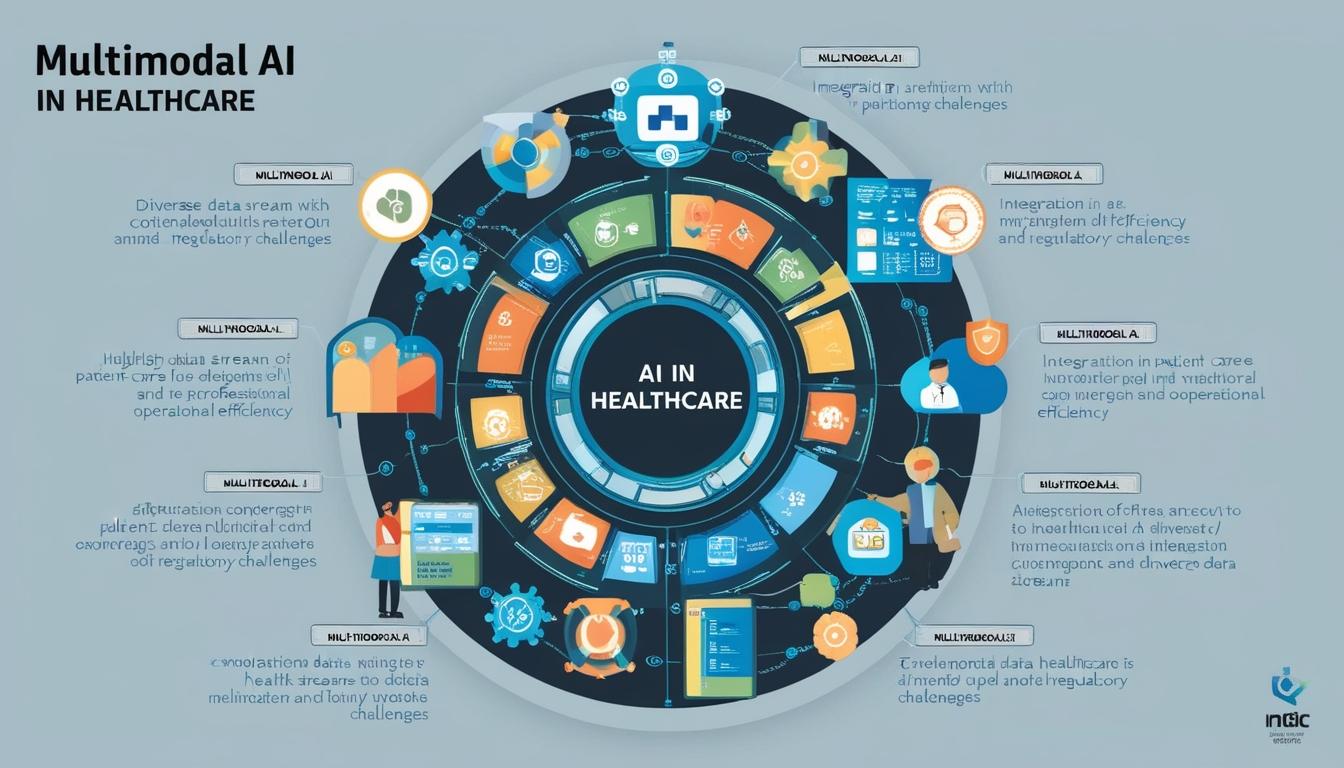
Traditionally, AI models in healthcare have been developed to process singular data types—such as audio, video, medical imaging, clinical records, or data from wearable devices. However, the complexity of healthcare demands multidimensional data integration. Multimodal AI models, which operate across various data types and applications, are perceived as promising due to their ability to deliver more comprehensive insights from the interplay of diverse datasets.
Morgan Cheatham, Vice President at Bessemer Venture Partners, elucidated the potential of multimodal AI. He remarked, "Although healthcare executives may not yet fully embrace multimodal AI due to its nascent development stage, this technology merits significant attention as ongoing research transitions into tangible products. We've seen a similar trajectory with large language models, progressing rapidly from research to broad application."
Cheatham further explained that unlike AI models specialized in single data types, multimodal models can harness "the rich, multifaceted nature" of healthcare and biomedicine. This capability allows them to collect and analyze data relevant to clinical events, imaging, operational processes, social determinants of health, and patient-reported outcomes effectively.
The promise of multimodal AI lies in its potential to deliver integrated solutions in the intricate healthcare landscape, offering insights that could redefine patient care and operational efficiencies. However, Cheatham cautioned that as healthcare AI continues to evolve, it must navigate the challenges of data privacy and security.
Regulatory and legal obstacles remain significant impediments to AI integration across healthcare organisations, with 43% of healthcare providers and 38% of payers acknowledging these concerns as primary barriers. Cheatham stressed the importance of balancing technological innovation with regulatory advancements. He advocated for the incorporation of perspectives from a broad spectrum of stakeholders, ranging from nascent startups to established Fortune 500 companies, as well as early-stage researchers to healthcare executives, in cultivating AI's future in healthcare.
In conclusion, while the healthcare sector stands on the cusp of a transformative AI era driven by multimodal technologies, addressing the accompanying regulatory, legal, and data security challenges will be vital in achieving sustainable integration and utility of these groundbreaking innovations.
Source: Noah Wire Services