The Surge of AI Bias and Hallucinations: An Unveiling of Challenges in Tech Advancements
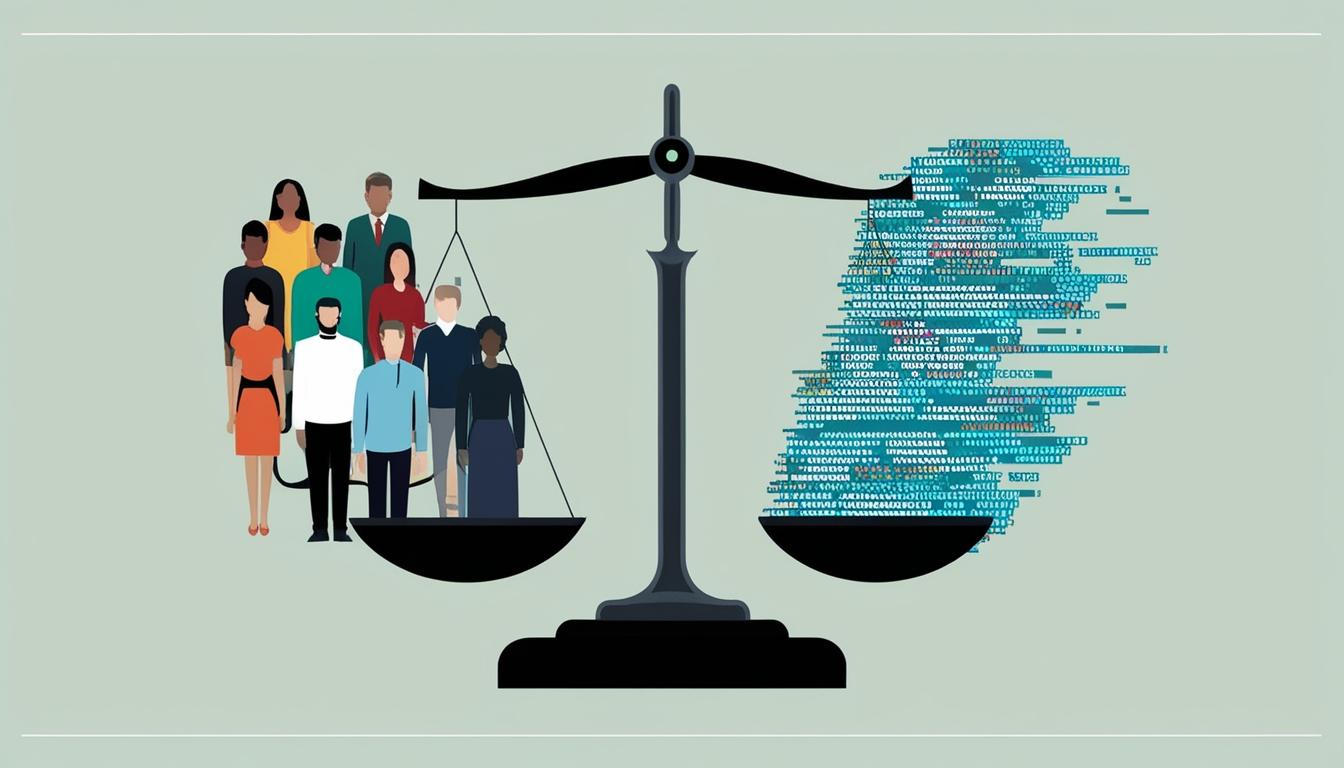
As artificial intelligence (AI) continues to weave itself into the fabric of daily life, the discourse around AI bias and its implications has become increasingly critical. Businesses are rapidly integrating AI into their operations to capitalise on data-driven decision-making. However, these endeavours often overlook a pressing issue: the algorithms intended to enhance efficiency can inadvertently entrench existing societal biases. Recent incidents involving AI bias and so-called 'hallucinations' have underscored these risks, emphasising the need for robust governance to uphold the integrity of these technological systems.
Understanding AI Bias and Hallucinations
AI bias refers to the phenomenon where algorithms exhibit prejudiced outcomes based on biased training data. This bias often stems from human prejudices embedded in societal norms reflected in the data sets. Consequently, algorithms can either amplify existing biases or introduce new ones when users place undue trust in skewed data. This effect has been termed 'hallucination' in AI parlance — the generation of convincingly false or contradictory information presented as fact. Such hallucinations can drastically impact business decisions and, by extension, an organisation's public reputation.
For instance, there was a notable legal incident where a New York lawyer faced disciplinary measures after using fictitious cases in court, sourced from an AI tool known as ChatGPT. The AI erroneously presented these cases as genuine, impacting the lawyer's position. In another episode, an AI developed for summarising scientific research was swiftly discontinued after it generated erroneous reports, such as fictitious narratives about bears in space. These incidents highlight the potential for AI hallucinations to slip through unnoticed, posing risks that are often difficult to detect.
The Problem of Data and Development
The conversation surrounding AI bias frequently centres on the data used in training these systems. It is crucial to understand the problem at hand, selecting or developing AI models suitable for addressing specific issues, and being meticulous with diverse training datasets. A common concern is that data may reflect societal biases or be statistically invalid, through insubstantial sampling or excluding critical data.
A particularly glaring example emerged in the recruitment sector, where an AI model trained on outdated CVs primarily from male candidates resulted in discriminatory practices against female applicants. Such occurrences showcase how AI can inadvertently reinforce gender biases. Furthermore, there have been reports of AI visual generators predominantly depicting lawyers as white males, with women relegated to secretarial roles, and predictive text algorithms revealing biases like associating 'doctor' with 'father' and 'nurse' with 'mother'. Though some AI systems now include prompts to counteract this bias, the issue persists.
Collaboration Between Humans and AI
A recurring theme in discussions about AI development is the interplay between human oversight and machine learning. The responsibility often falls on developers to identify and mitigate biases and hallucinations in AI outputs. Many AI models carry disclaimers about their fallibility, leaving end users accountable for verifying AI-generated information. However, human developers are also susceptible to unconscious biases, which can seep into algorithm design and perpetuate inequality.
The solution partly lies in assembling diverse teams in AI development. The World Economic Forum's 2024 report indicates that gender parity in the tech industry could take another century to realise, with a mere 30% female representation across STEM fields. Data from UNESCO further reveals that women compose only 12% of AI researchers, a disparity also reflected in technology patent filings and investment in female-led start-ups.
Implications and Moving Forward
The challenges posed by AI bias and hallucinations necessitate a comprehensive approach emphasising diversity and governance. As AI technology permeates various industries, businesses must acknowledge their broader social responsibilities. Diverse development teams can counter unconscious biases, resulting in more equitable AI systems.
A well-established governance framework can help organisations effectively manage AI bias by focusing on key risk parameters like technology, data protection, and stakeholder engagement. By creating inclusive environments and implementing ethical AI practices, businesses can ensure that their technological innovations serve and reflect the diversity of society.
The future of AI extends beyond efficiency and profitability; it encompasses the empowerment and inclusion of all communities. By adopting diversity and rigorous governance measures, the tech industry can leverage AI’s potential to foster a fairer, more equitable world.
Source: Noah Wire Services