The United Kingdom Government has announced an investment of £12 million in the development of cutting-edge technology aimed at reducing the number of drug-related deaths across the nation. Spearheaded by the Office for Life Sciences, this initiative is part of the Addiction Healthcare Goals programme. Eleven projects, with a significant number based in Scotland, have been identified to receive funding to create innovative solutions that, according to government officials, have the potential to save thousands of lives and potentially attract further investment from healthcare companies into the country.
This technology-driven approach comes in the wake of grim statistics revealing that 1,172 people died from drug misuse in Scotland last year, a significant increase from the previous year. This alarming rise in fatalities has prompted intensified efforts to explore new methods of intervention.
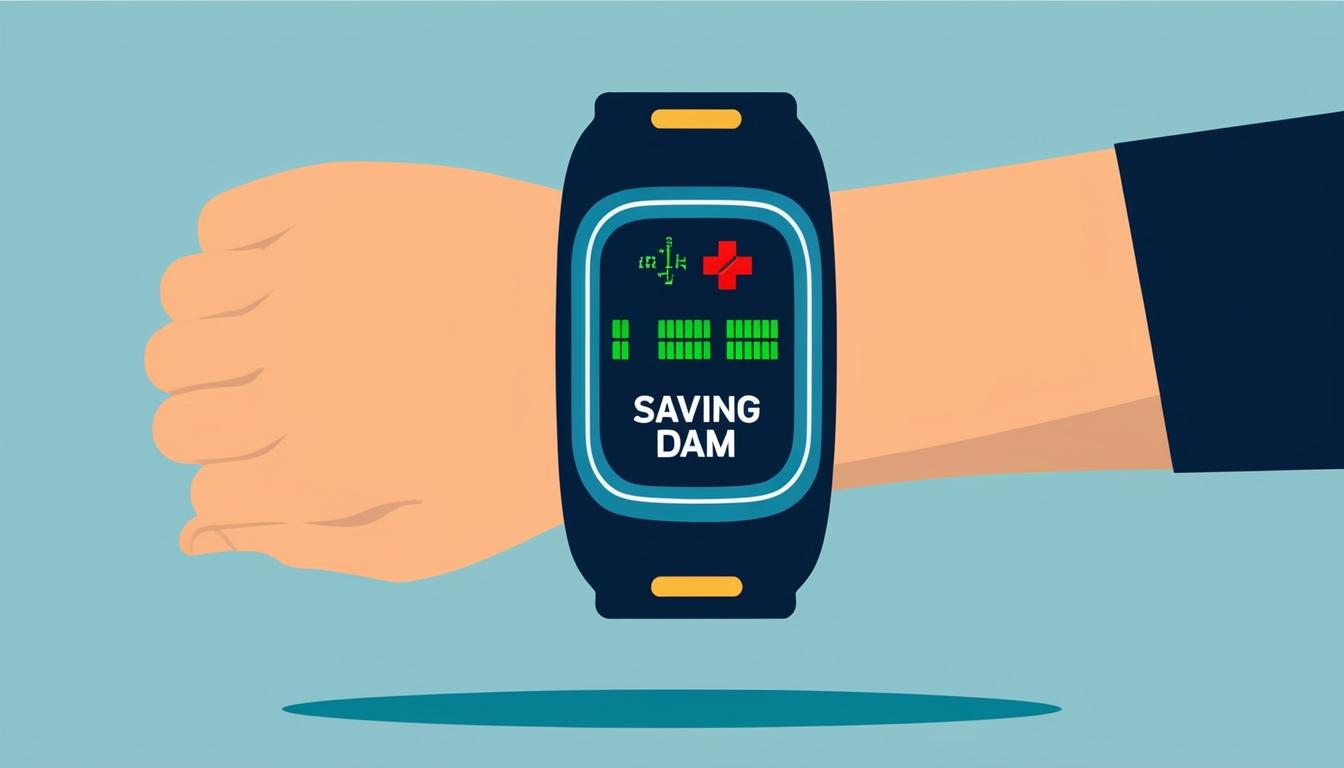
One of the ambitious projects supported by this funding is a collaboration between the University of Edinburgh and NHS Fife. Together, they are working on an artificial intelligence-powered wristband device, named "Saving Dam". This device is designed to monitor vital physiological signs, such as heart rate, and can alert a designated trusted contact if an imminent overdose is detected.
In parallel, the University of Glasgow is developing a novel sensor that integrates seamlessly with the body, offering live respiratory monitoring to catch early signs of overdose. This project is supported by the West of Scotland NHS Innovation Hub, where researchers are preparing to test this prototype among individuals who have a history of addiction.
Additionally, NHS Fife is collaborating with technology firm Mesox on the design of wearable patches that administer the antidotes Naloxone and Flumazenil, capable of reversing heroin and opioid overdoses. These patches aim to be user-friendly for non-professionals, mitigating the challenges associated with traditional methods like injections or nasal sprays.
Professor Anna Dominiczak, the Chief Scientific Advisor for Health to the Scottish Government, emphasized the critical nature of tackling drug-related fatalities, viewing these technological innovations as part of a broader strategy of research and support by the Scottish Government and NHS Scotland. Her sentiments underscore an ambitious plan to leverage Scotland's expertise in forging advanced technological solutions to combat drug addiction.
Moreover, the Scottish Ambulance Services have contributed to the development of a low-cost alert system in partnership with Wales-based company Scienap. This system includes a new Alert App that enables users to self-monitor and automatically raises a signal if they become unresponsive. A Care & Respond App accompanies this, guiding trusted supporters to provide immediate assistance and administer life-saving interventions.
The funded research also includes the exploration of virtual reality to help users overcome addiction triggers. Meanwhile, King's College London is studying the potential of naloxone wafers, which dissolve in the mouth and can be conveniently carried in a wallet.
The projects were carefully chosen as part of the Reducing Drug Deaths Challenge and the NIHR i4i Addiction: Innovation for Treatment and Recovery Awards. These initiatives are being conducted in partnership with the Scottish Government and the National Institute for Health and Care Research (NIHR), demonstrating a coordinated effort to confront the issue of drug-related deaths with innovative solutions.
Source: Noah Wire Services