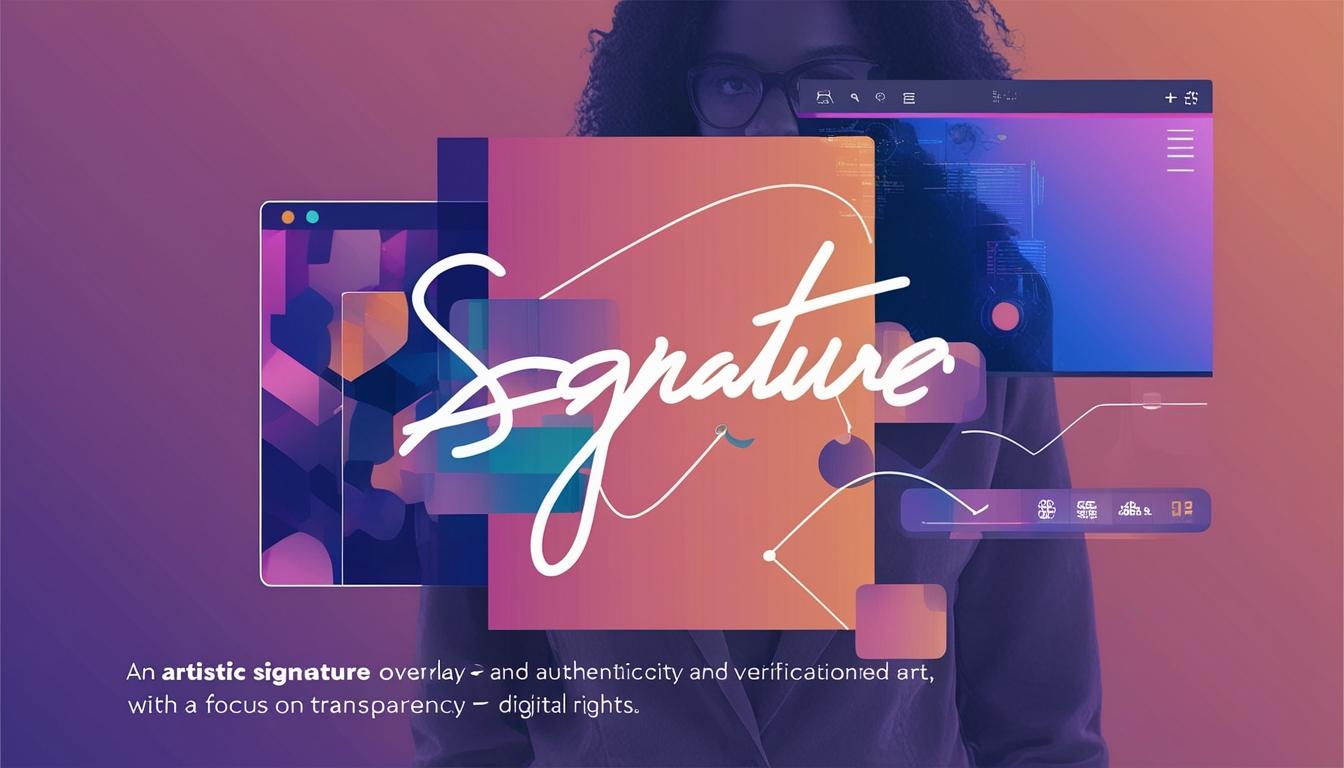
Adobe is stepping up efforts to safeguard artistic authenticity in the age of advanced generative AI, with the introduction of a new web app, Content Authenticity. This innovative application, introduced at Adobe Max—Adobe's annual creative conference—aims to provide robust digital credentials for images, making it easier for people to verify the origins of digital content.
With the advancement of AI-generated images, distinguishing between real and artificially created visuals becomes increasingly challenging. Adobe's initiative addresses this issue by allowing creators to tag their work using content credentials, which serve as a kind of digital signature encapsulating the origin and history of a piece of content. This feature is a significant expansion from Adobe's earlier functionality, which was limited to Photoshop users, as it opens up access to anyone without the need for a Creative Cloud subscription.
The Content Authenticity app is designed to be a comprehensive solution to maintain transparency about the creation and distribution of digital content. Creators can manage the details included in these credentials, such as links to their personal websites and social media profiles. Additionally, they are provided the option to exclude their work from being used in AI training databases—a crucial concern for many artists who share their work online.
Furthermore, Adobe has incorporated these content credentials into its widely-used Premiere Pro and Lightroom software, allowing Creative Cloud users to seamlessly add these invisible watermarks to their projects. This technology not only helps in maintaining an image's authenticity but also protects artists from the common problem of misattribution and unauthorized use.
Accompanying the web app, Adobe is also developing a Google Chrome browser extension. This tool is intended to help users easily identify and verify content credentials on the digital media they come across online. Both the app and extension are pivotal parts of Adobe's collaboration with the Coalition for Content Provenance and Authenticity (C2PA) and the Content Authenticity Initiative (CAI), both focused on advancing content credential technology and widespread adoption of verified digital content.
Adobe's senior director of the CAI, Andy Parsons, emphasized that the company's efforts are geared towards supporting what they believe is a fundamental right of individuals to understand the nature and source of the content they are viewing. The durability of these credentials is enhanced with digital fingerprinting, invisible watermarking, and cryptographic metadata, making them more resilient against tampering. This robustness is essential for thwarting issues like the detachment of credentials from images when they are screenshotted—a frequent challenge for digital creators.
Recent studies by Adobe highlight the urgency of these efforts, revealing that a significant number of creators have encountered AI-generated works resembling their own, and a majority expressed a desire for tools to authenticate their creations online. The introduction of these content credentials is a strategic effort to provide such a tool, potentially reducing instances of copyright infringement and other legal disputes currently unfolding between artists and tech companies.
The Content Authenticity app is presently accessible for sign-ups to preview its capabilities, with a public beta release anticipated in early 2025. Simultaneously, a beta version of the Chrome extension is currently available, offering a glimpse into how this new technology can integrate into users' daily digital interactions.
Source: Noah Wire Services