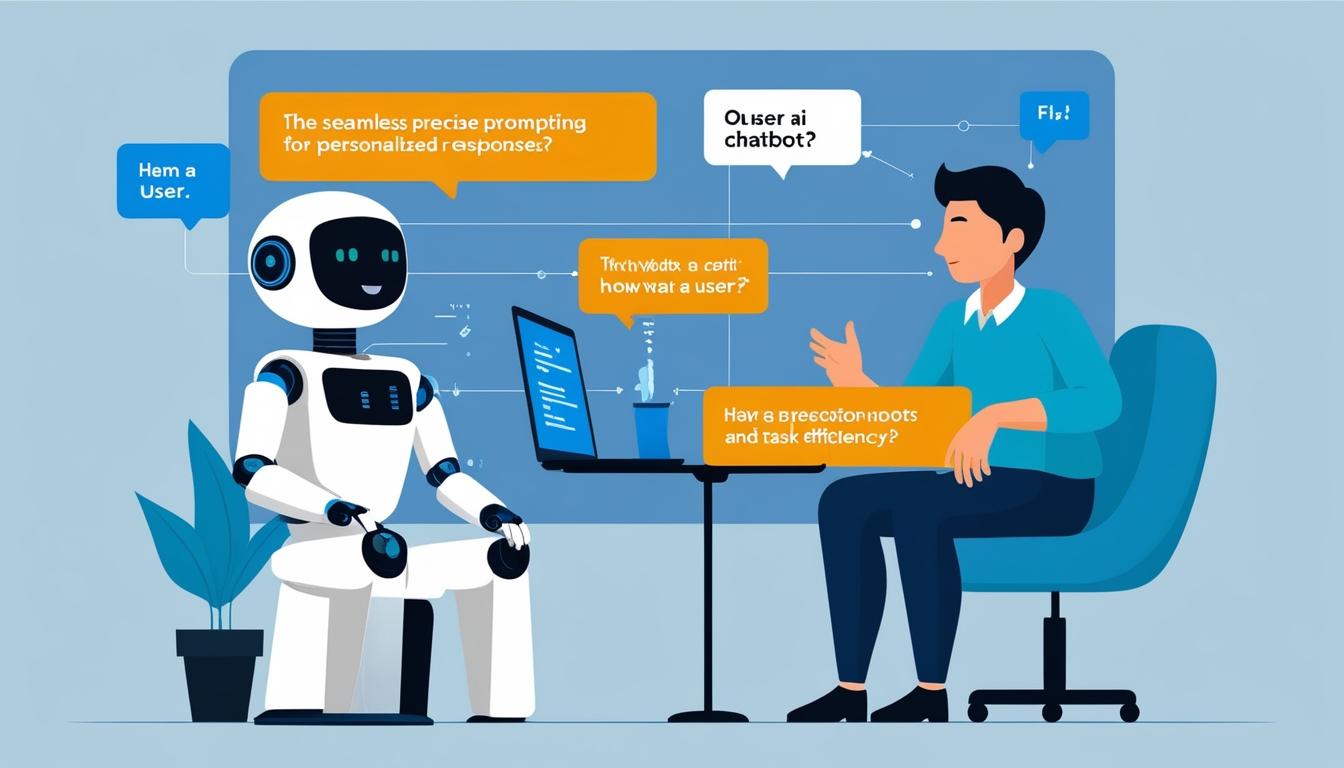
The increasing prominence and practicality of Generative AI-powered chatbots are gaining attention, with models like ChatGPT, Claude, and Gemini at the forefront of this technological wave. With the correct usage, these chatbots can revolutionise daily tasks, offering detailed, relevant, and personalised outputs that can fulfil specific demands without requiring specialised technological knowledge.
Effective utilisation of AI chatbots revolves around the concept of "prompting". This involves crafting precise and clear instructions for the chatbot to ensure the most useful and relevant responses. A successful interaction with chatbots is akin to a conversational exchange where the clarity of instructions significantly improves the quality of responses. For instance, by providing well-defined prompts, users can leverage chatbots to produce more efficient work processes, such as generating customised travel itineraries or planning meetings, thereby streamlining otherwise time-consuming tasks.
Many users can begin utilising these systems simply by posing questions they might typically direct to a search engine. Often, chatbots return more helpful results because they can offer context-specific, personalised responses. For example, users could ask the chatbot to generate an itinerary for a trip from one city to another, with preferences and limitations embedded in the prompt – thus tailoring travel plans to fit their specific needs.
To further enhance the interaction, users should consider applying several tips for crafting effective prompts. Firstly, addressing the chatbot as one would speak naturally to a person is essential. This method aids in making the interaction more seamless and less prone to misunderstanding. Moreover, clarity and specificity are paramount; the more detailed the instructions, the better the outcome. For instance, instead of giving the vague instruction to "Plan a meeting", users should detail what the meeting is about and the specific components they wish to include in the agenda.
Follow-up prompts can refine initial responses, and users can also set the context by instructing the chatbot to adopt a particular role, tone, or personality to produce results more aligned with the intended purpose. Additionally, specifying the desired format of output, whether in bullet points, summaries, or tables, can help in receiving information in the most accessible and useful form. Users can also attach documents directly to prompts for a more thorough and efficient analysis, such as reviewing contracts for key terms and clauses.
While these tools promise significant advantages such as efficiency and enhanced personalisation, Jason Pikoos, a managing partner at the Connor Group, underscores the importance of beginning with small, practical use cases and gradually expanding to more complex tasks as familiarity grows. His extensive experience in technology and innovation positions him as a knowledgeable guide in navigating this new AI-driven landscape.
Additionally, users should be mindful of data confidentiality concerns. AI models may utilise chat histories and data unless enterprise-level privacy settings are implemented.
As the landscape of AI and automation continues to evolve, users can stay informed by connecting with professionals like Pikoos, who offer insights into the latest trends and developments in these technologies. As organisations adapt to utilise AI tools like chatbots, understanding and learning to employ these effectively will become increasingly crucial, enabling businesses to thrive in this rapidly advancing technological environment.
Source: Noah Wire Services